← All threads
BM
@breakingmetrics
Mar 19, 2026 · 8:00 AM
oil

Oil Supply Chain

Every piece of infrastructure I've ever built has a rated capacity, and that number is a hard ceiling. The Saudi bypass pipeline was designed for 7 million barrels a day but the terminal at the other end wasn't. Right now the market is pricing the pipeline number and ignoring the terminal, and that's the wrong number to be watching.
PXL_20260318_170452564.jpg

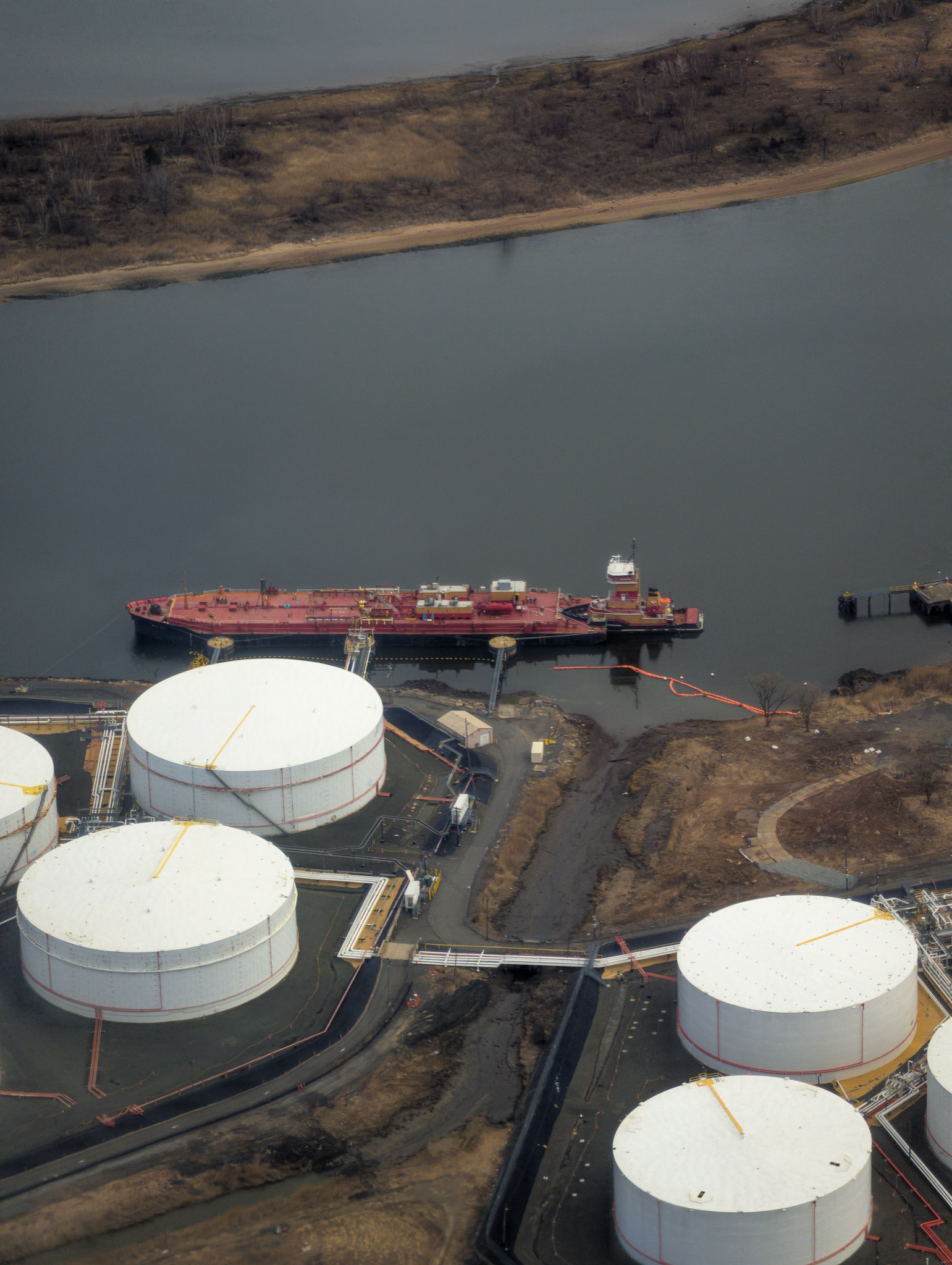
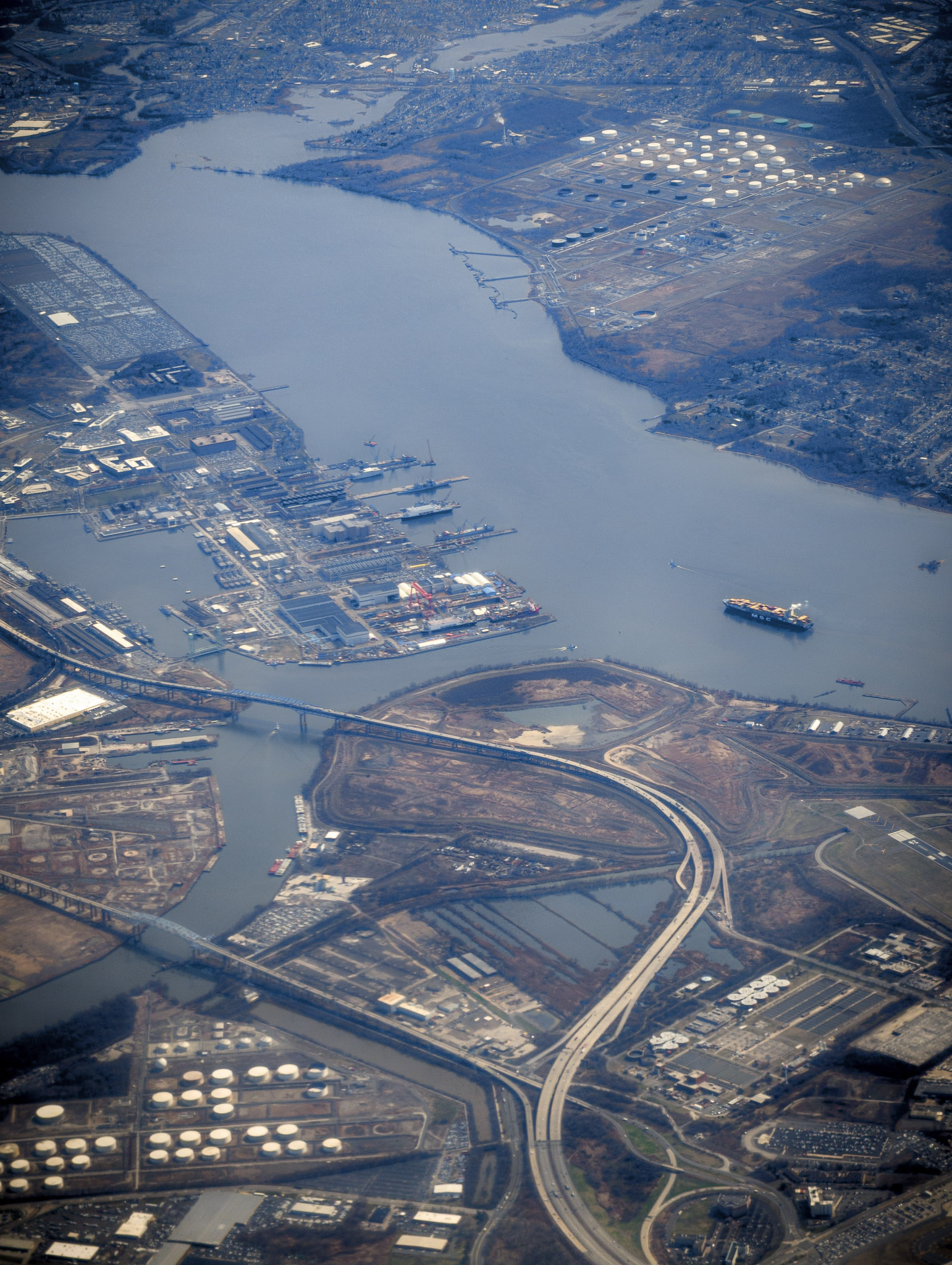
It starts at the wellhead. Crude gets lifted, processed through a separation facility to strip out gas and water, and then moves into a gathering pipeline network that feeds a central export terminal. At every stage there's a design capacity and an operational reality, and they're rarely the same number because the system was never built to run at 100% from end to end.

PXL_20260318_164828619.jpg

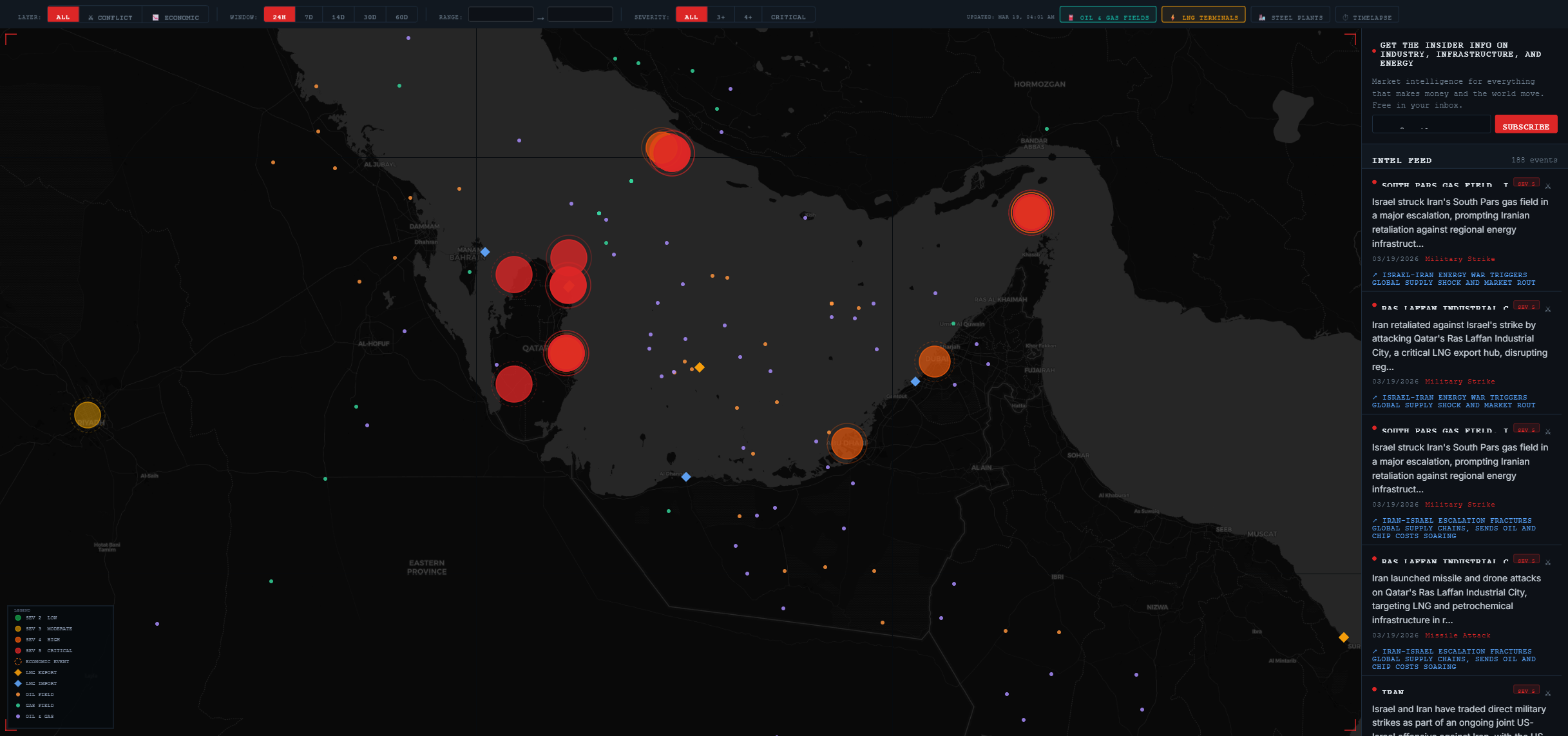
The Strait of Hormuz is where all of those gathering systems converge. Saudi Arabia, Kuwait, Iraq, the UAE, and Qatar all funnel their export volumes through the same 21 miles of water. On a normal day that's roughly 20 million barrels of oil and condensate plus 20% of the world's LNG moving through a chokepoint that's two miles wide at its navigable channel. There's no redundancy built into that system because for 40 years no none decided it would be a good idea to have one.

wic-snap-2026-03-19T12-07-02.png

Saudi Arabia has a bypass. The East-West Pipeline runs 750 miles across the peninsula and terminates at the Red Sea port of Yanbu, and as of March 11th it's running at full rated capacity for the first time in its history. The problem is that Yanbu was never designed to be a primary export hub.

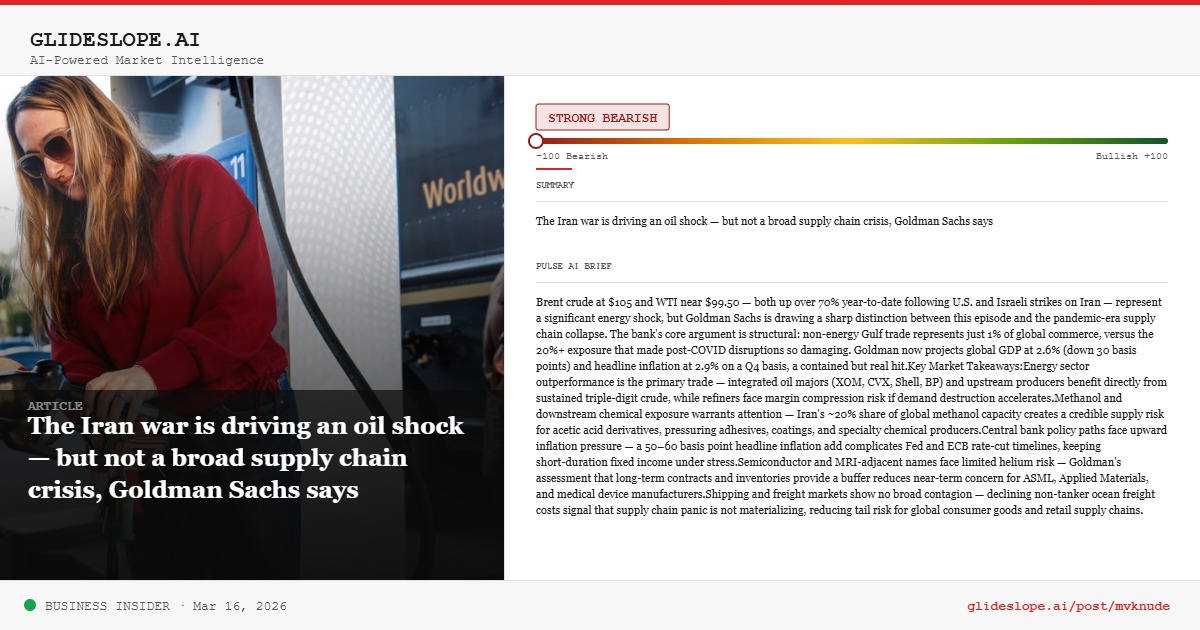
gs-snap-banner-mvknude.png

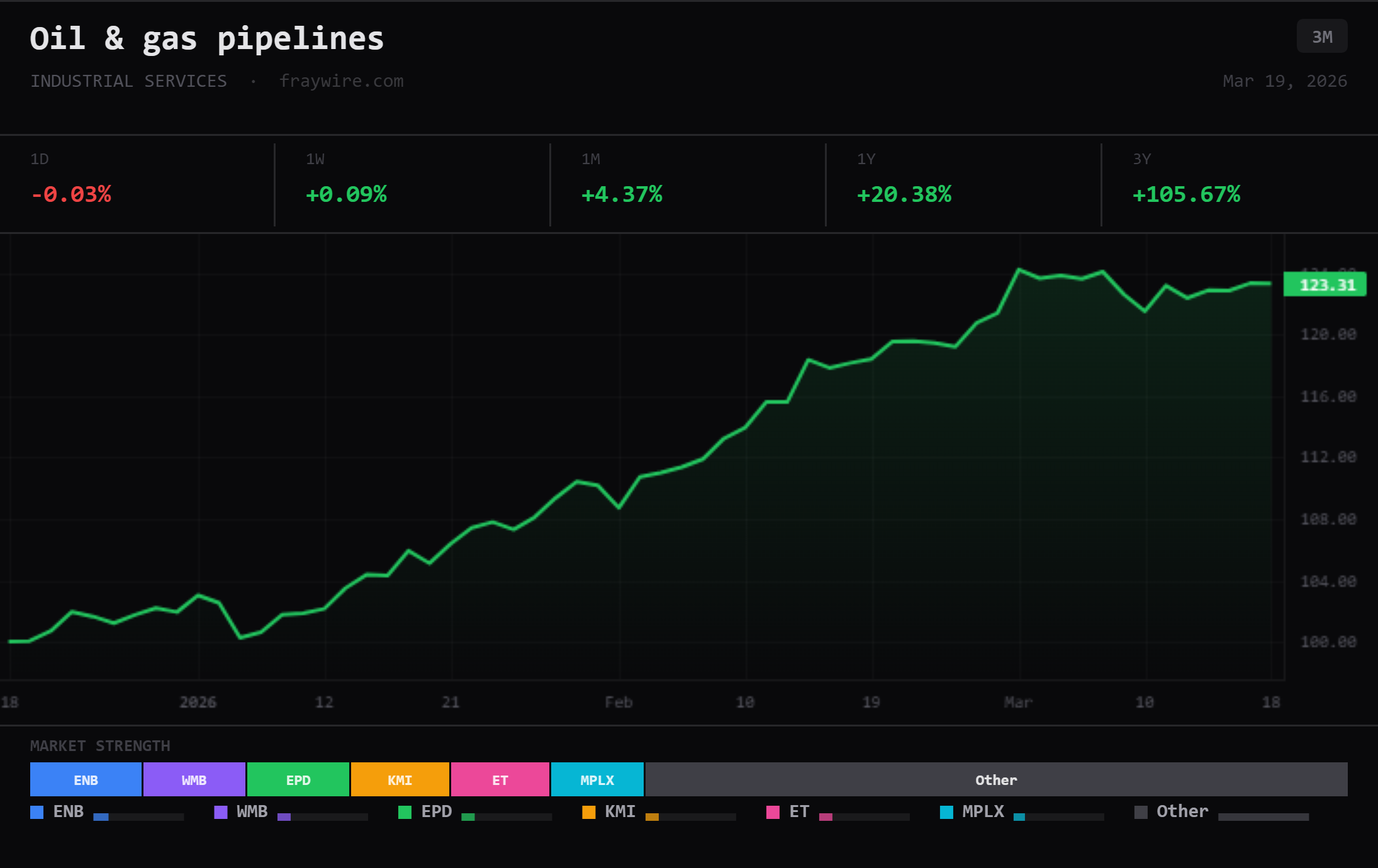
Oil and gas pipeline stocks on Fraywire are up 20% over the last year and 105% over three years, but they've been consolidating since the conflict started. The market ran these up on bypass capacity optimism and is now repricing around the terminal constraint. The pipeline isn't the problem; the exit ramp at the other end is.

Oil___gas_pipelines_industry_fraywire.png

The terminal's loading capacity, the number of berths, the tank farm volume, the loading arms, the approach channel depth for simultaneous VLCC traffic were never sized for what the pipeline can deliver. So the pipeline is bottlenecking to an ill-equipped port in need of upgrades. The infrastructure breakdown behind this story is in Saturday's piece: https://breakingmetrics.substack.com

Breaking Metrics | Substack
Civil engineer and investor writing about markets, geopolitics, and how real-world systems break. Click to read Breaking Metrics, a Substack publication with hundreds of subscribers.
breakingmetrics.substack.com
BM
@breakingmetrics