All ai construction economics energy game theory infrastructure iran oil pipelines
BM
@breakingmetrics
Apr 12, 2026 · 9:43 PM
oil

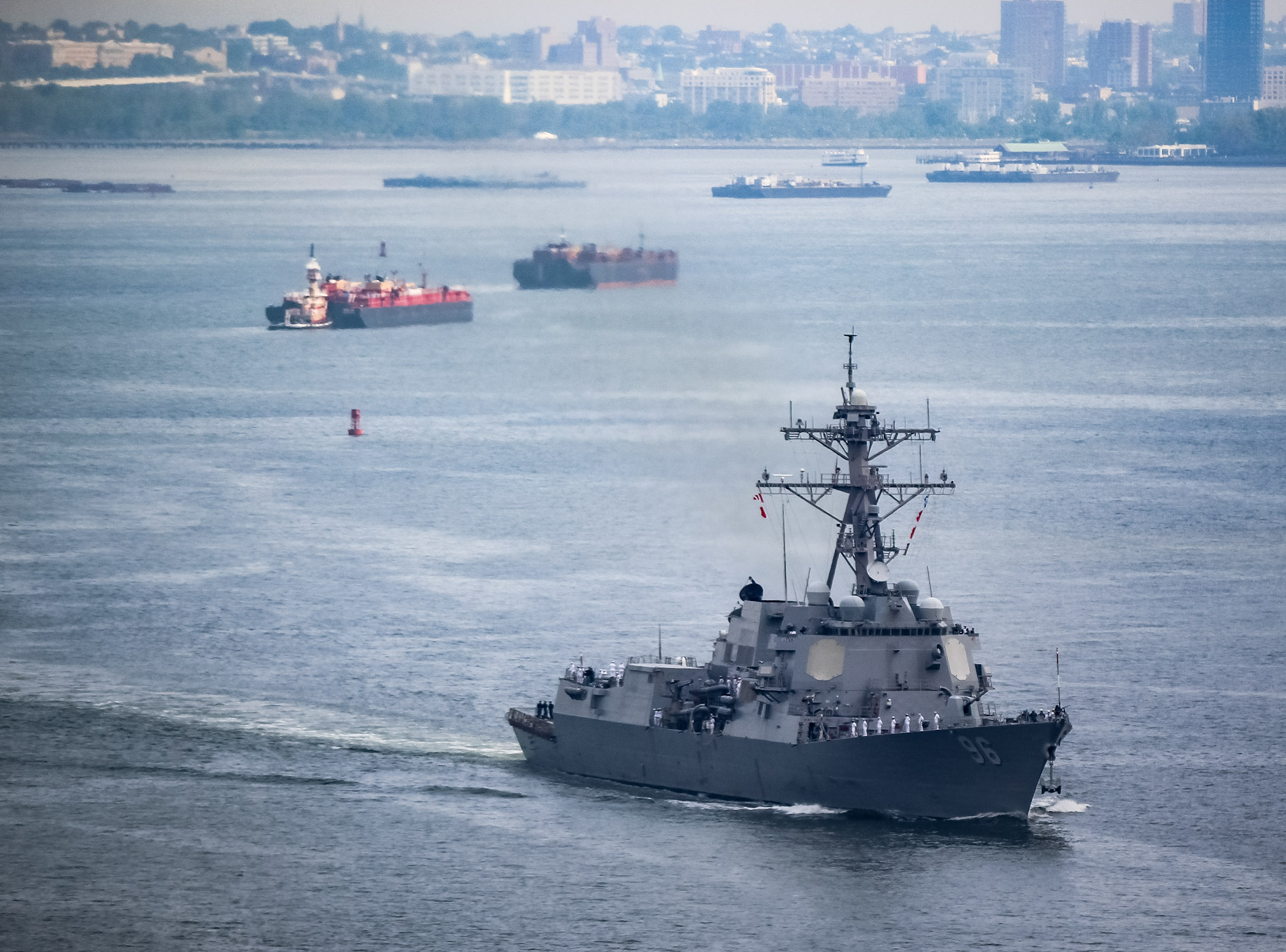
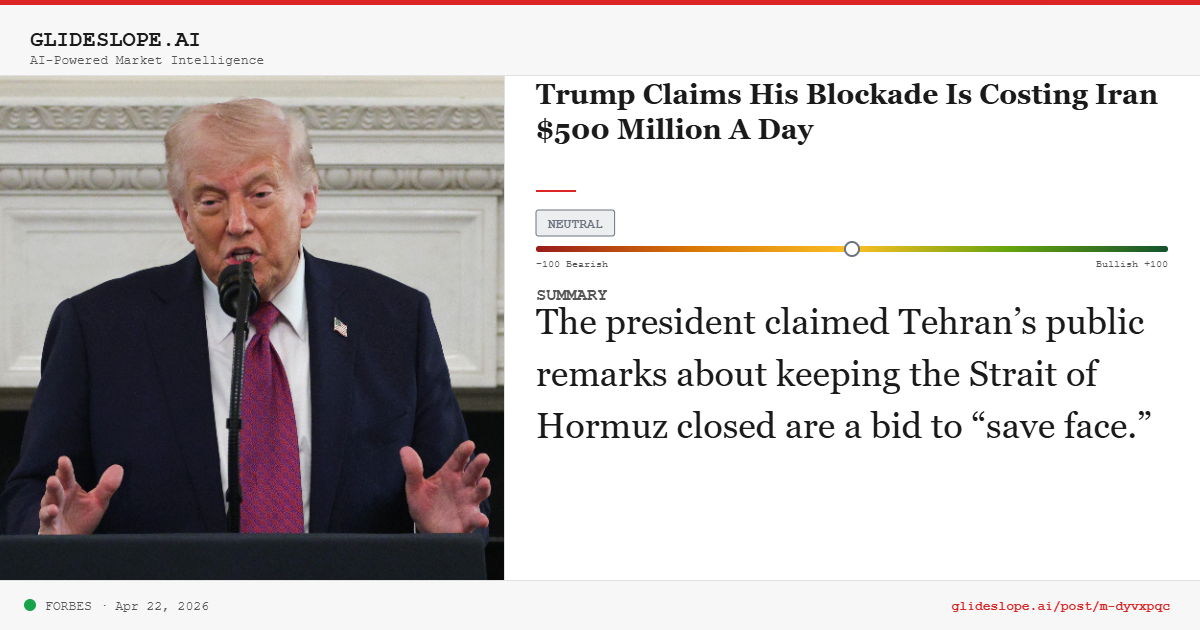
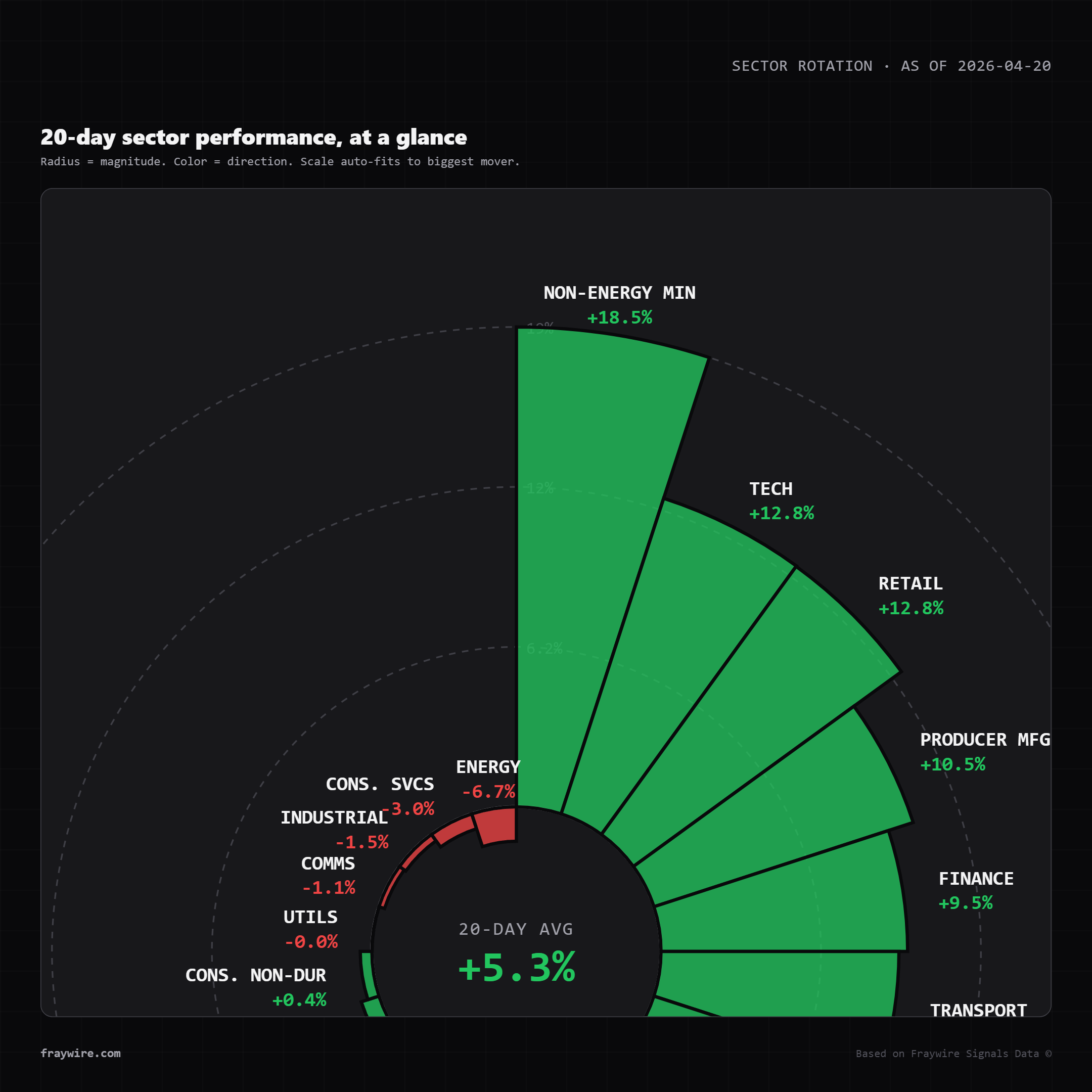
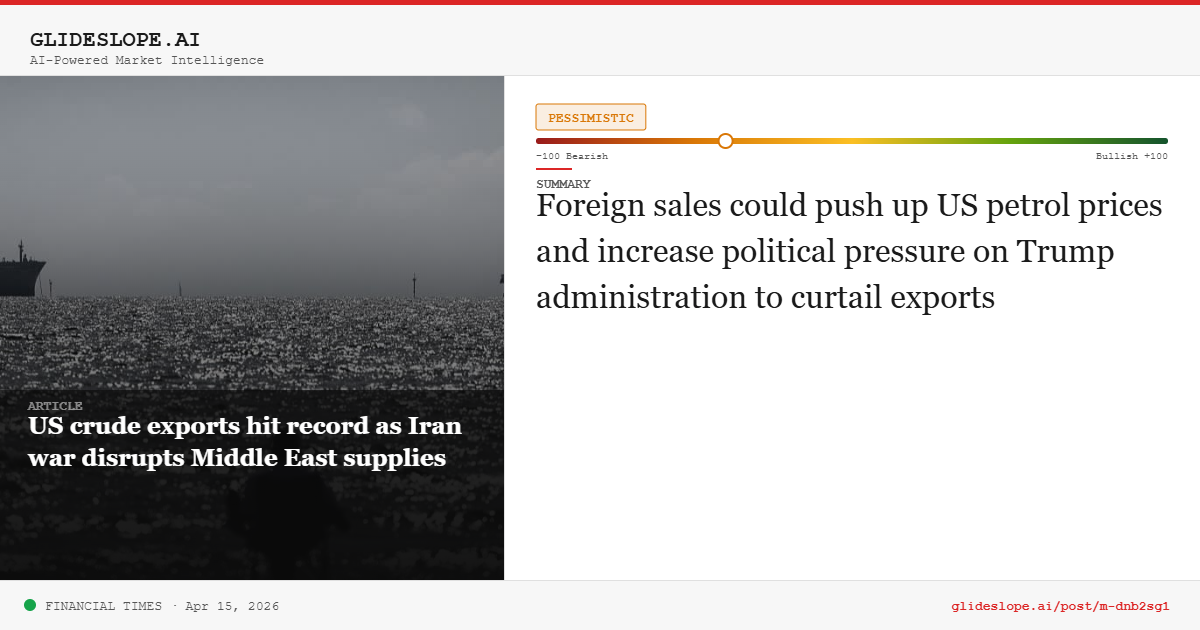
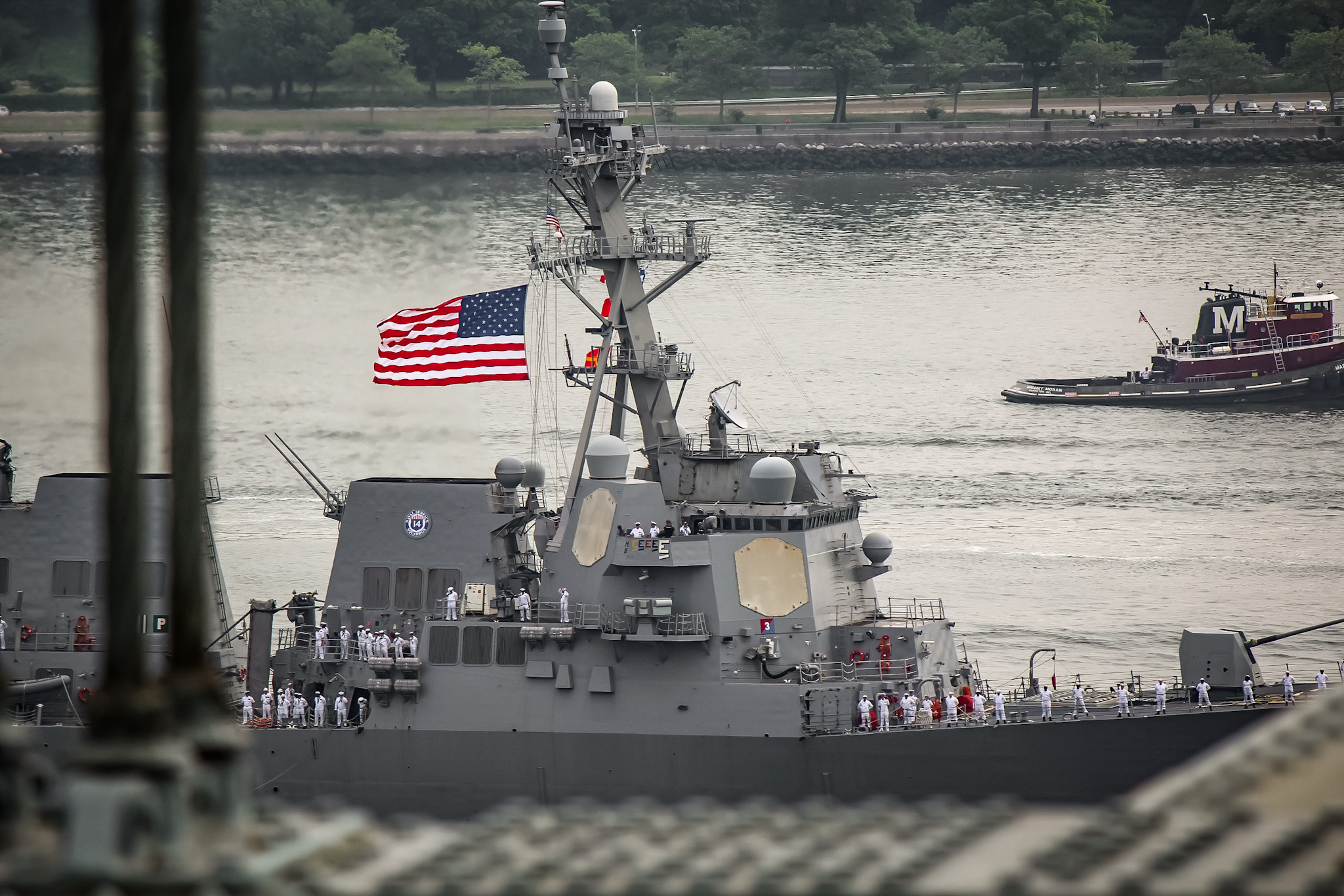
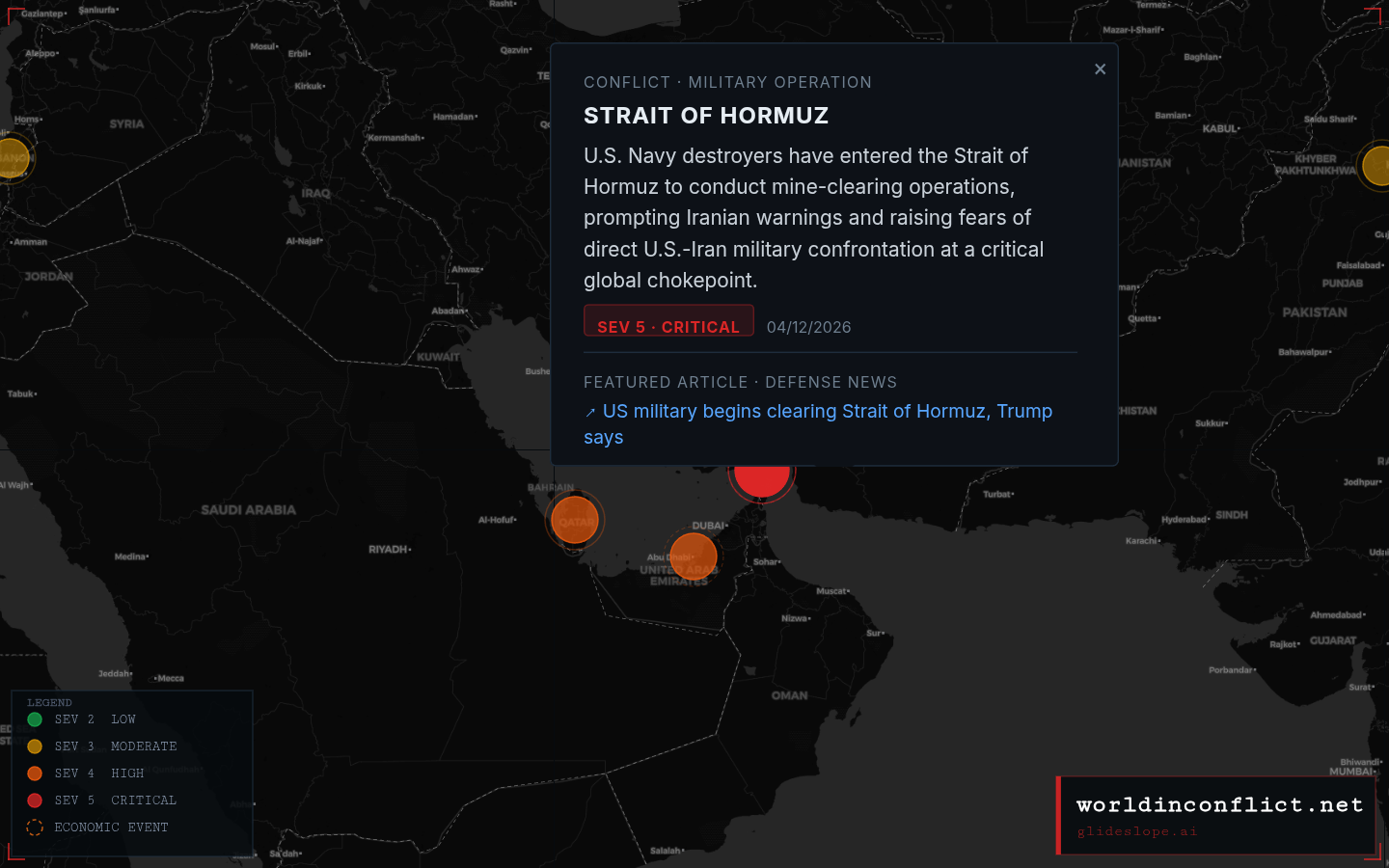
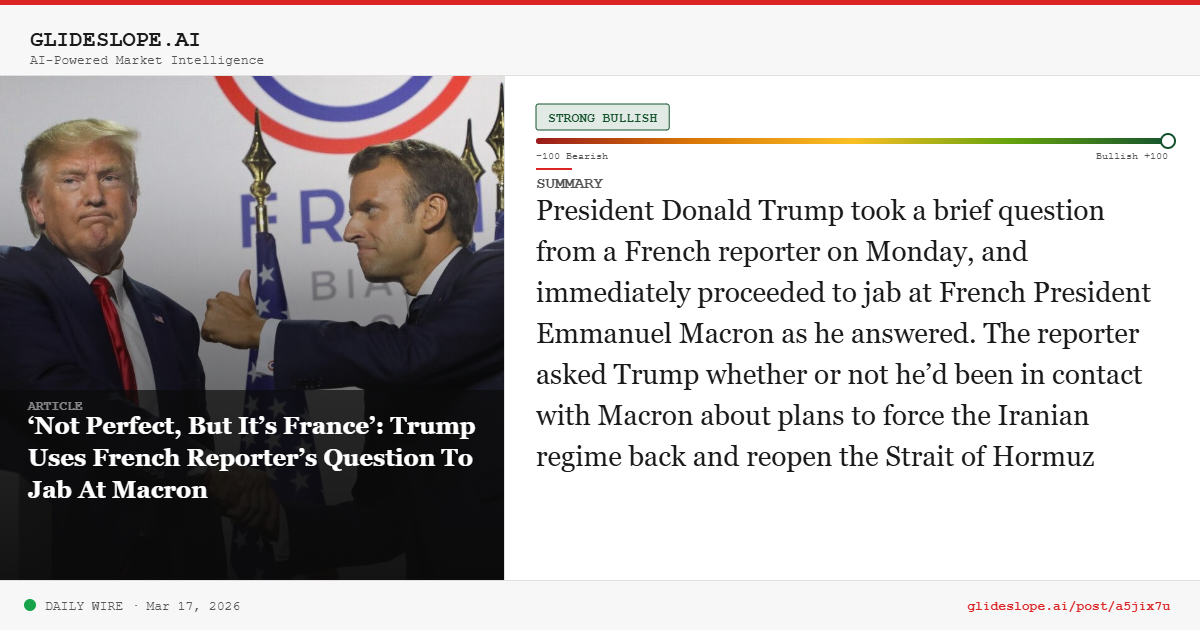
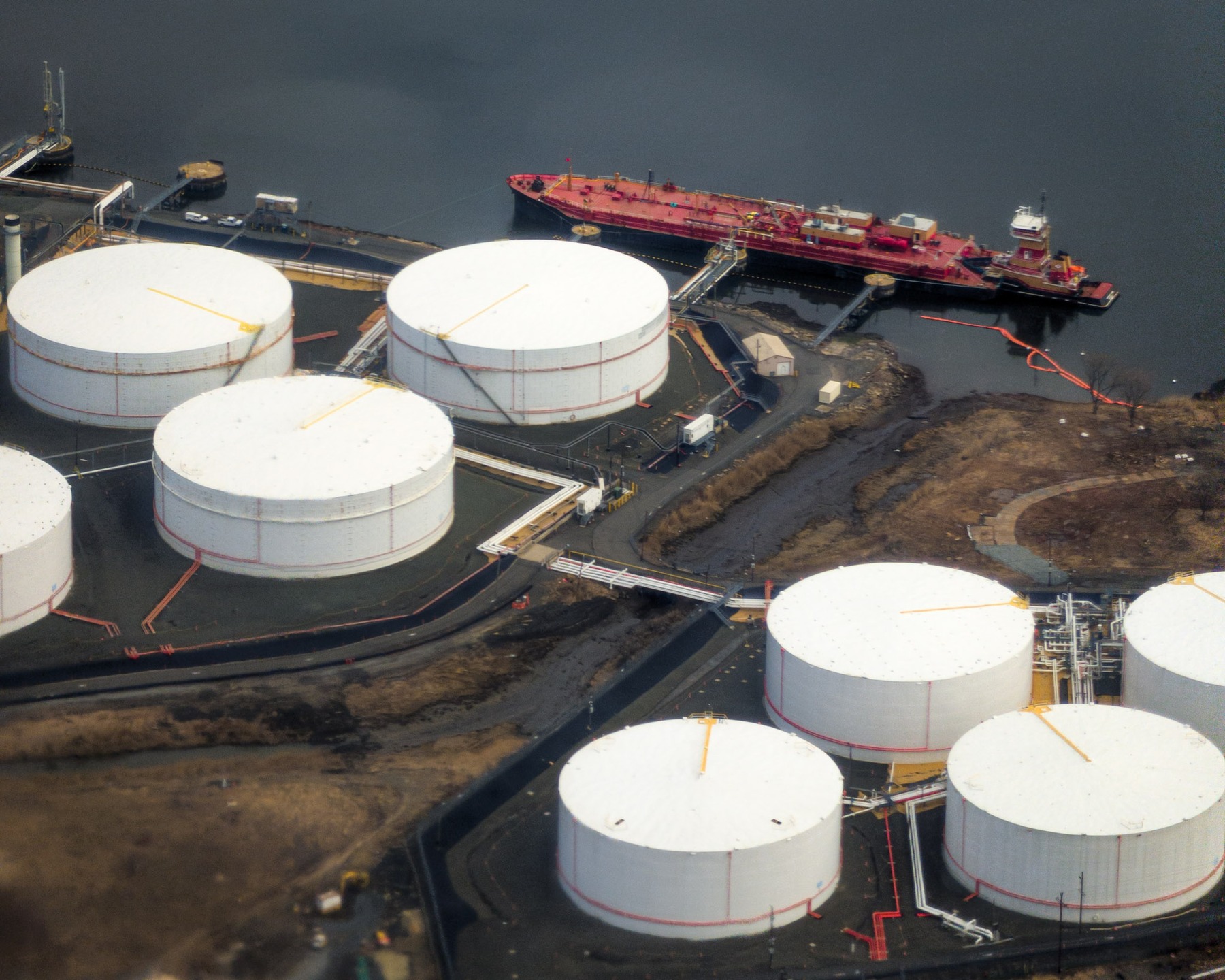
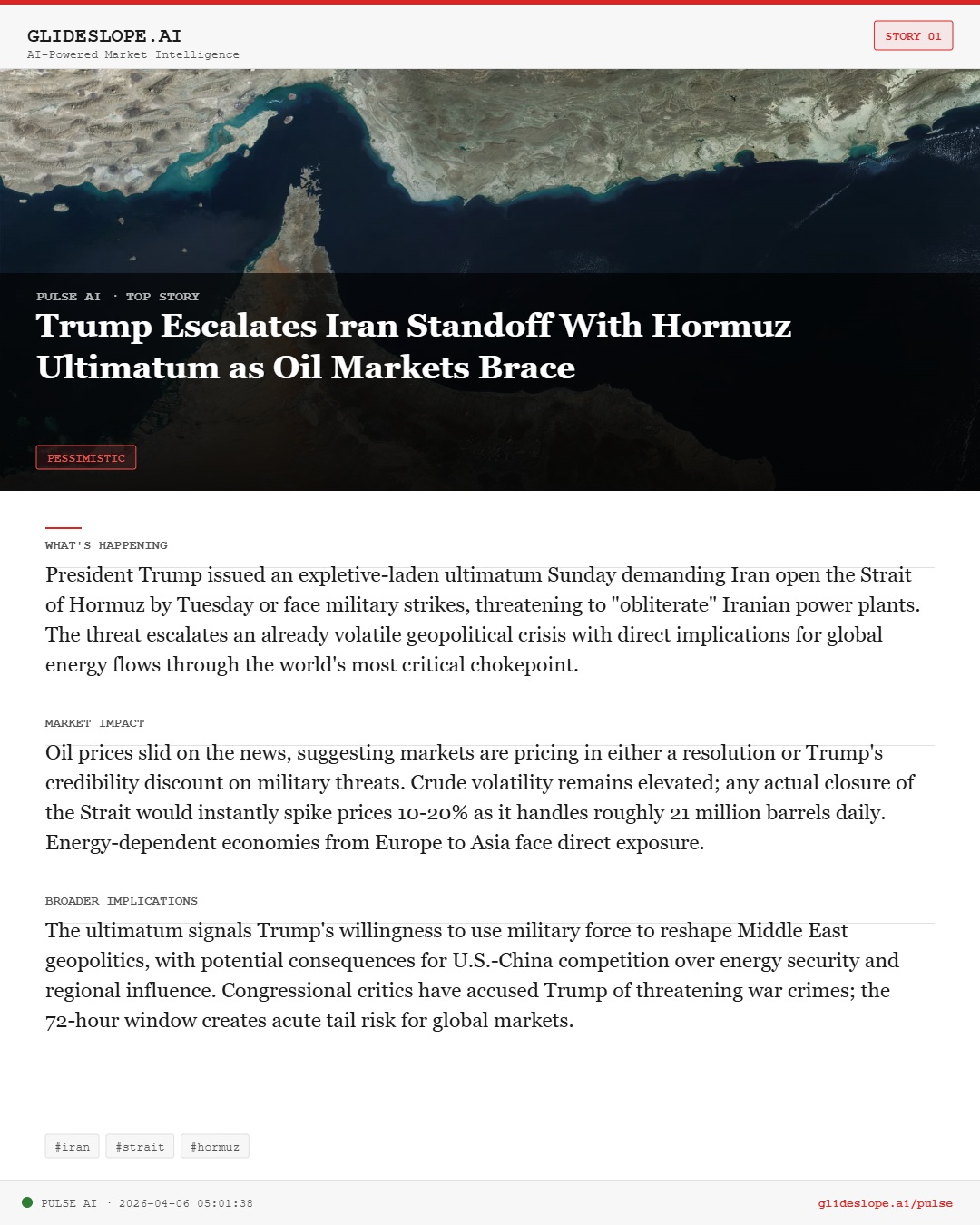
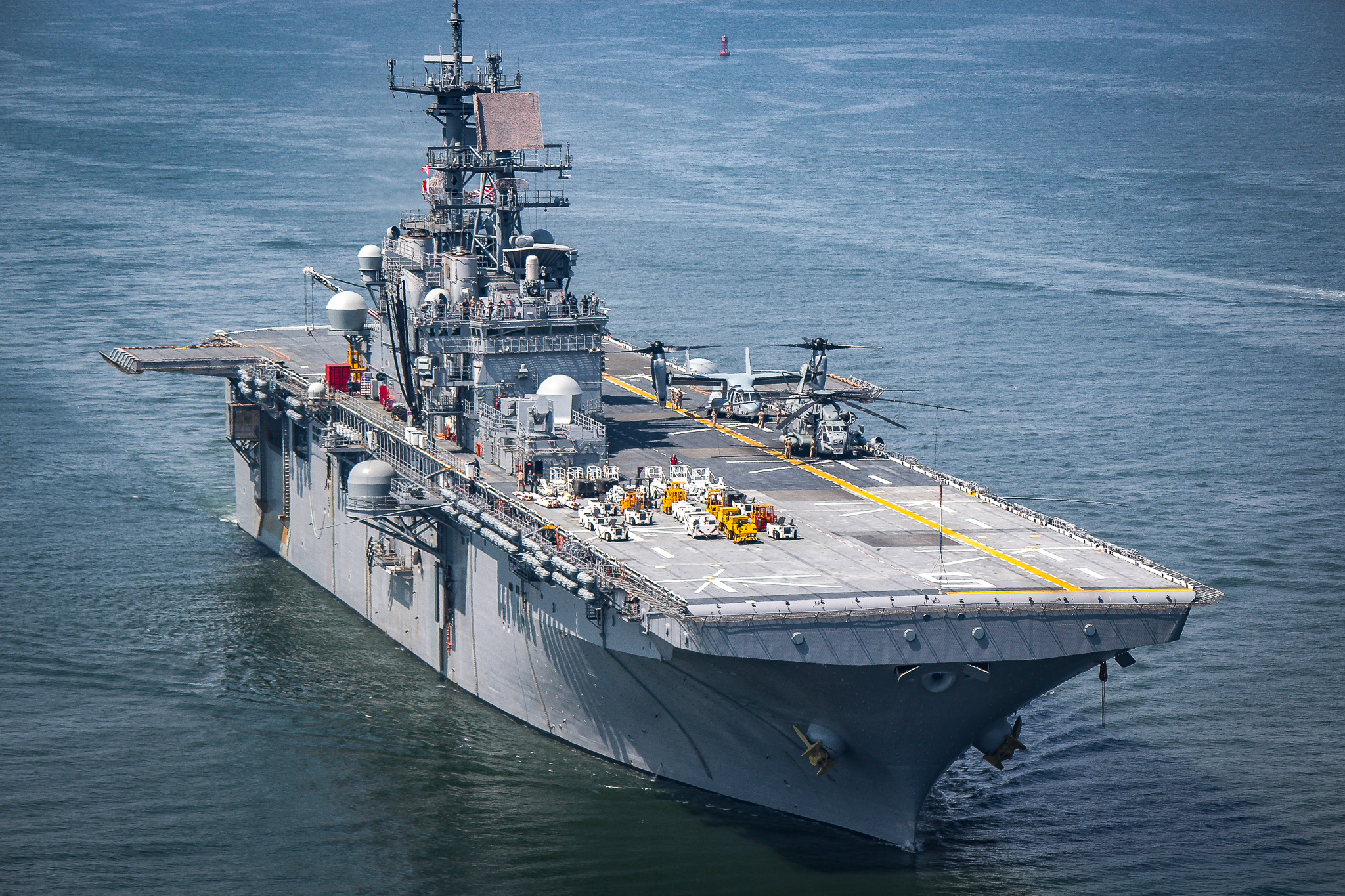
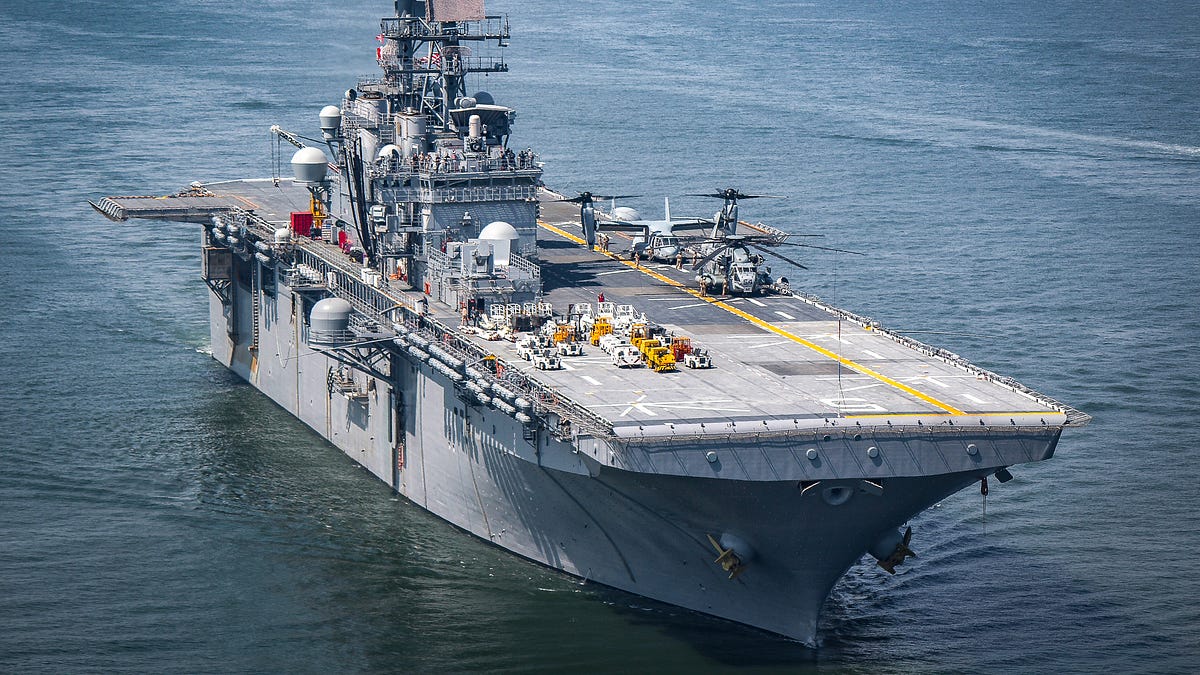
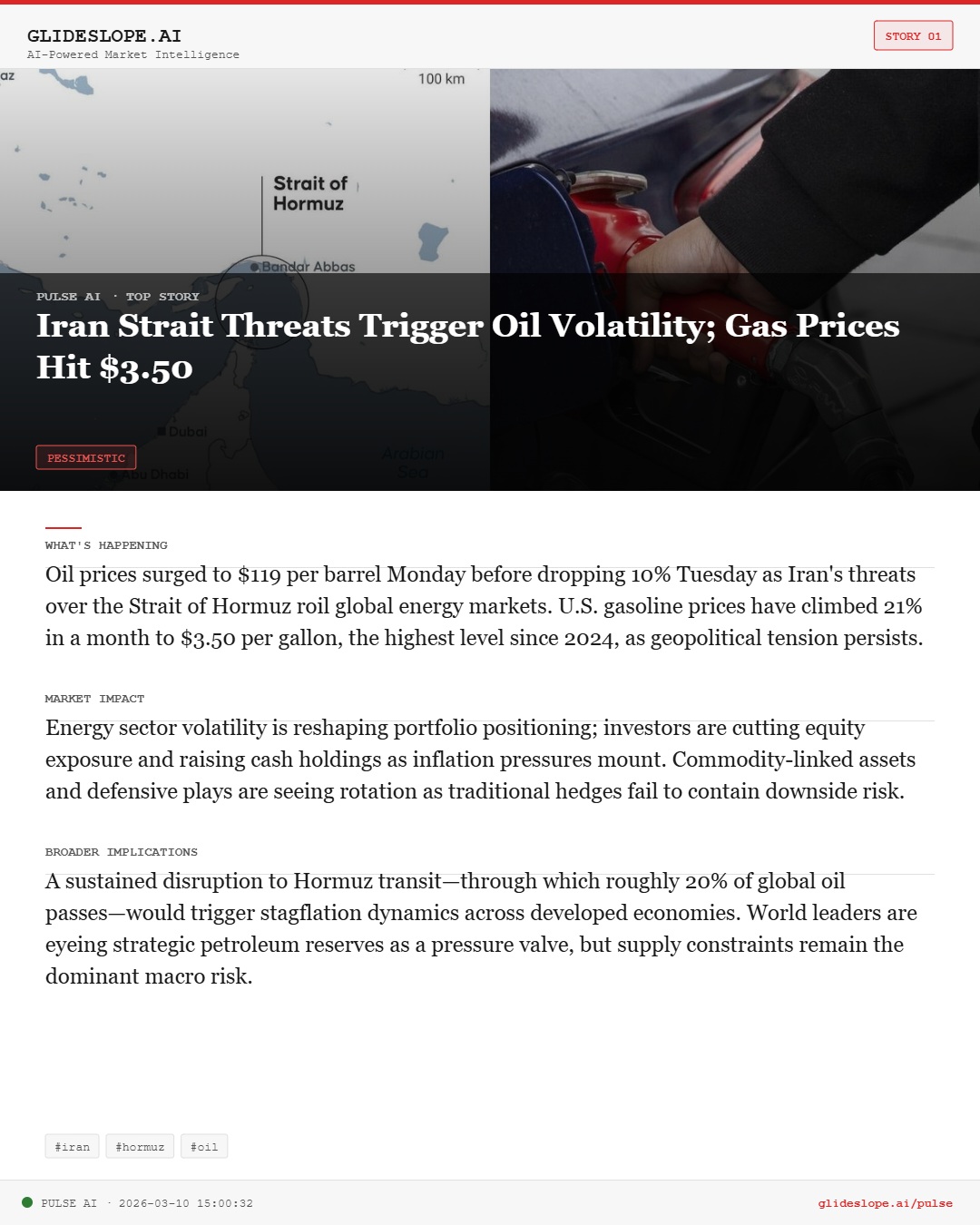
Trump ordered a US Navy blockade of Iranian ports starting Monday at 10am Eastern, and the framing everywhere is that this is about pressuring Tehran or baiting them into escalation. That read misses what's actually happening. The blockade isn't a dare to Iran. It's a transfer of control over the Strait of Hormuz from Tehran to Washington, and it works whether Iran resists or not.

16991.jpg

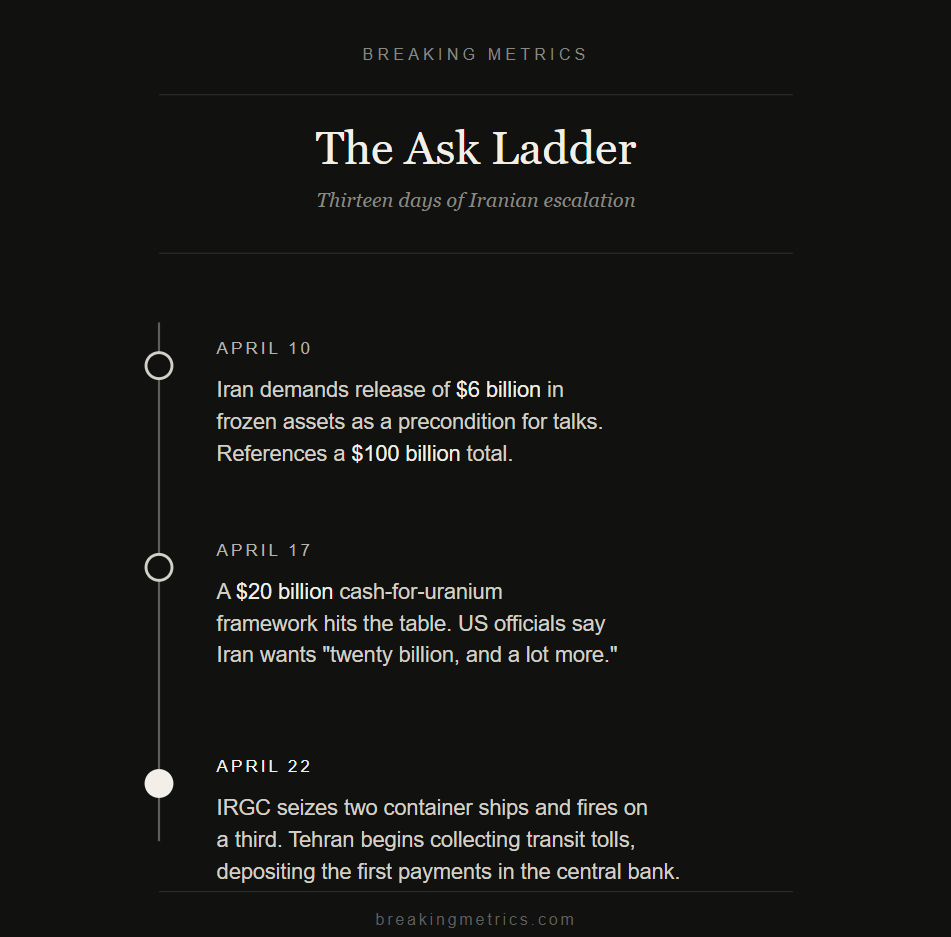
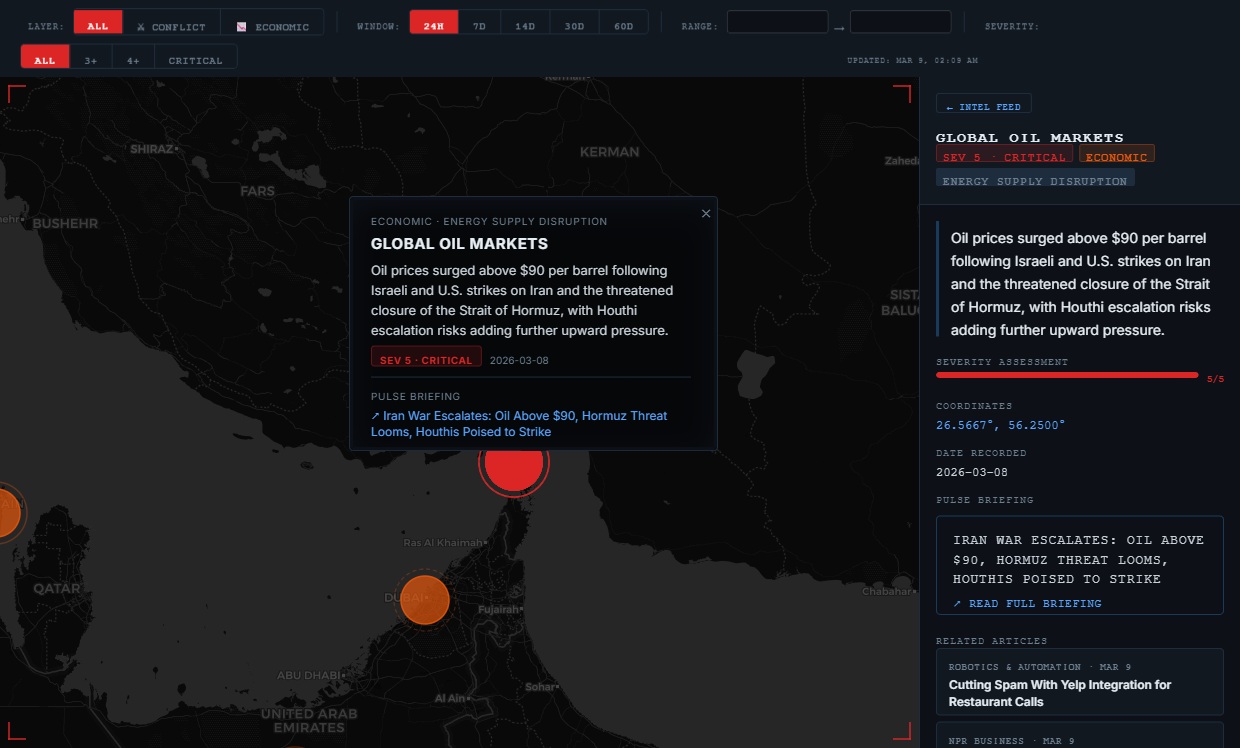
Run the scenarios and the logic gets clear. If Iran attacks the convoys, Trump escalates with full political cover and the regime doesn't survive round two. If Iran does nothing, the US Navy establishes permanent convoy authority over a fifth of global oil flow, and Iran watches its six-week leverage play evaporate without firing a shot.

16989.png

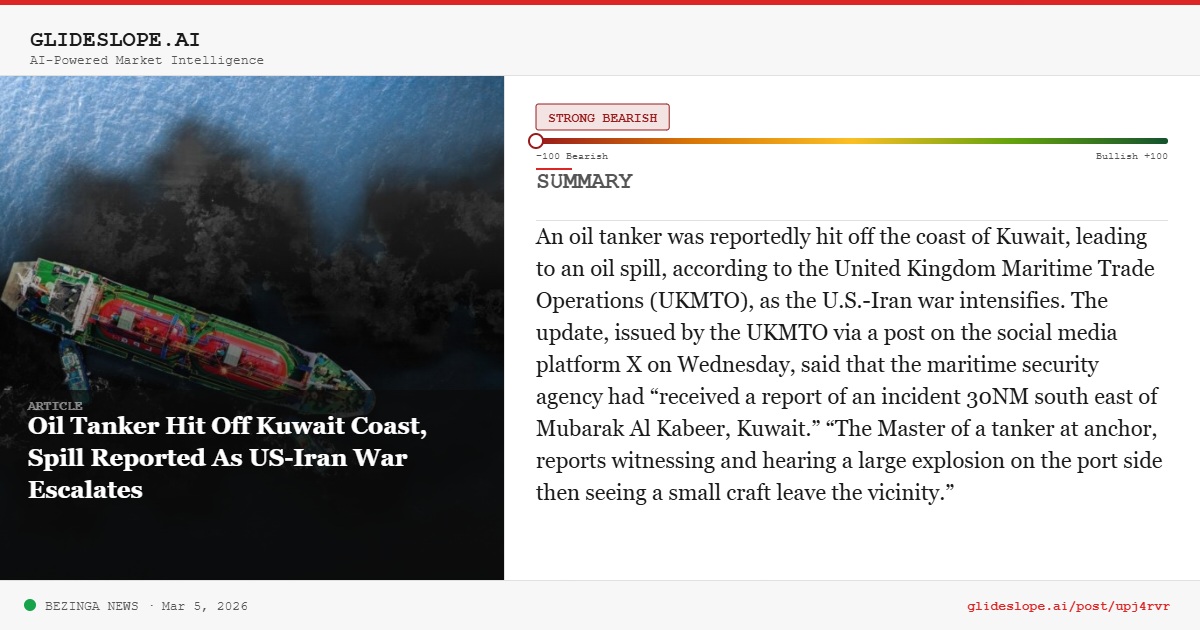
Both paths end with the Fifth Fleet as the new gatekeeper of Hormuz, and Brent stays north of $90 because the chokehold hasn't disappeared, it's just changed operators. The strait was always the prize. The ceasefire was the distraction.

16992.png

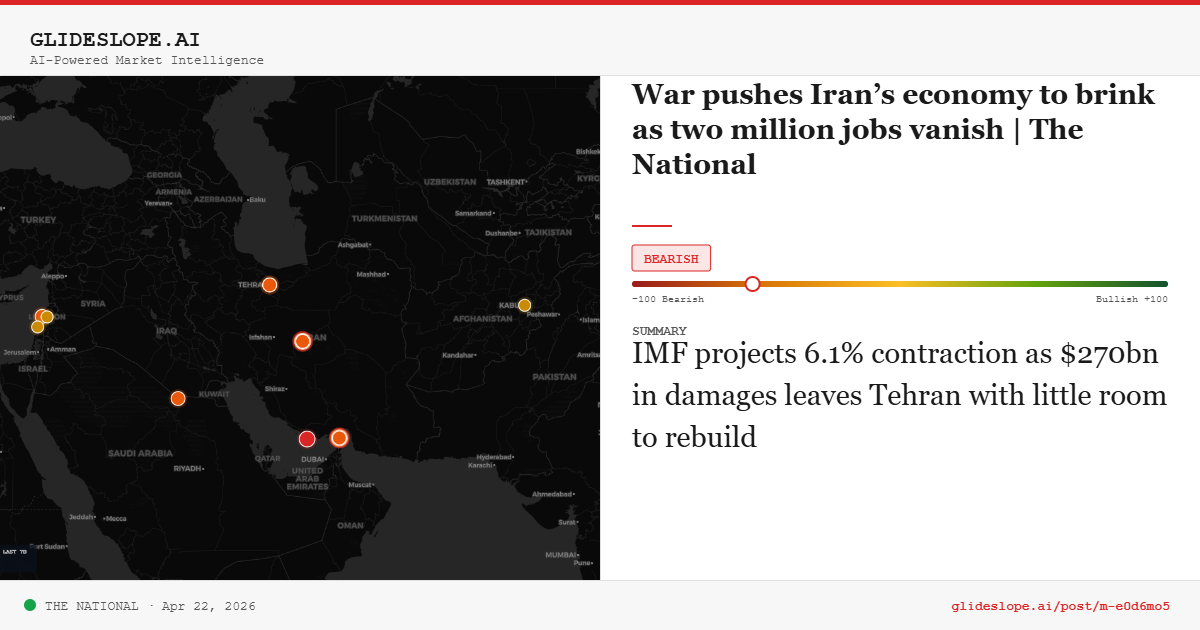
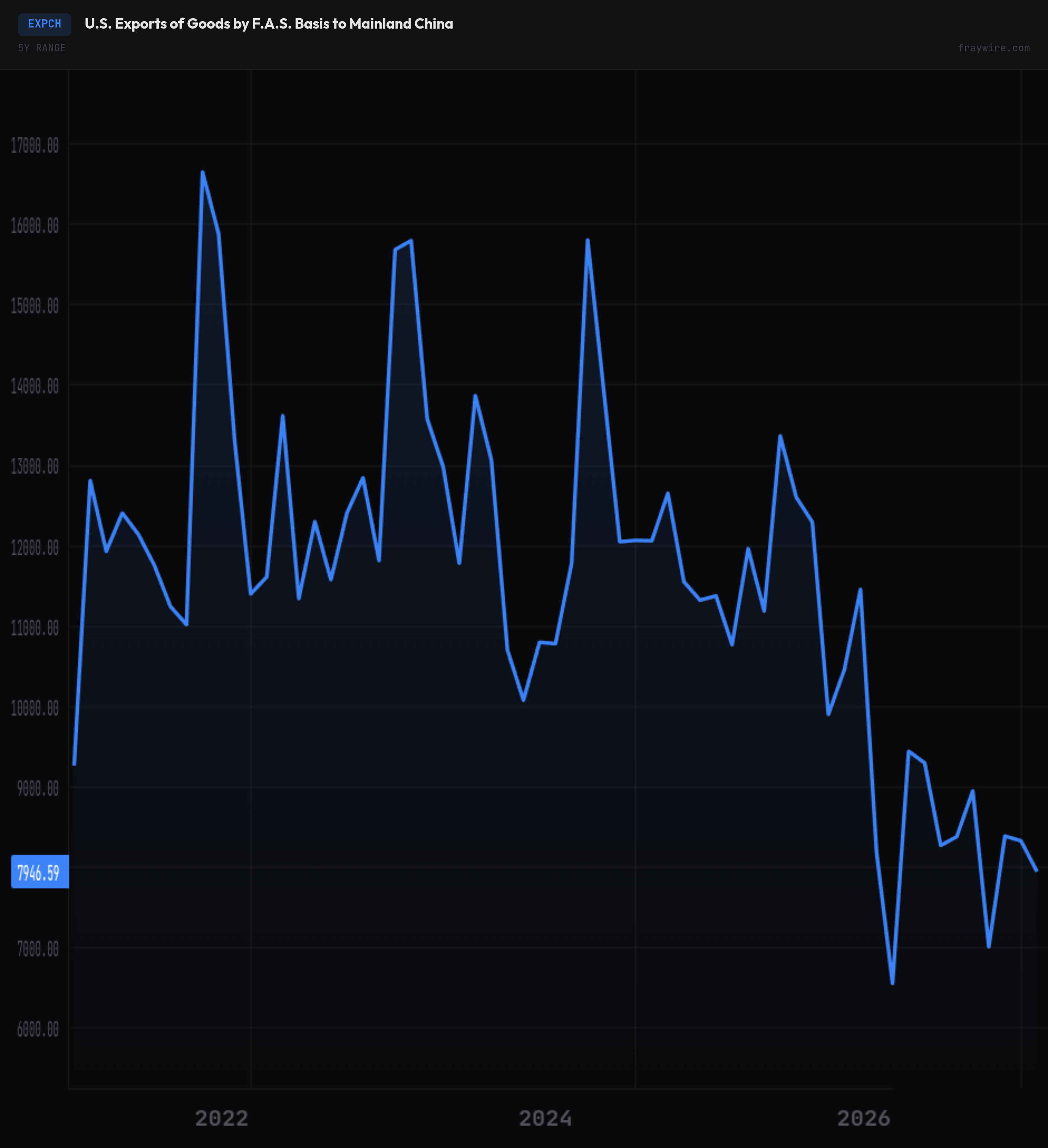
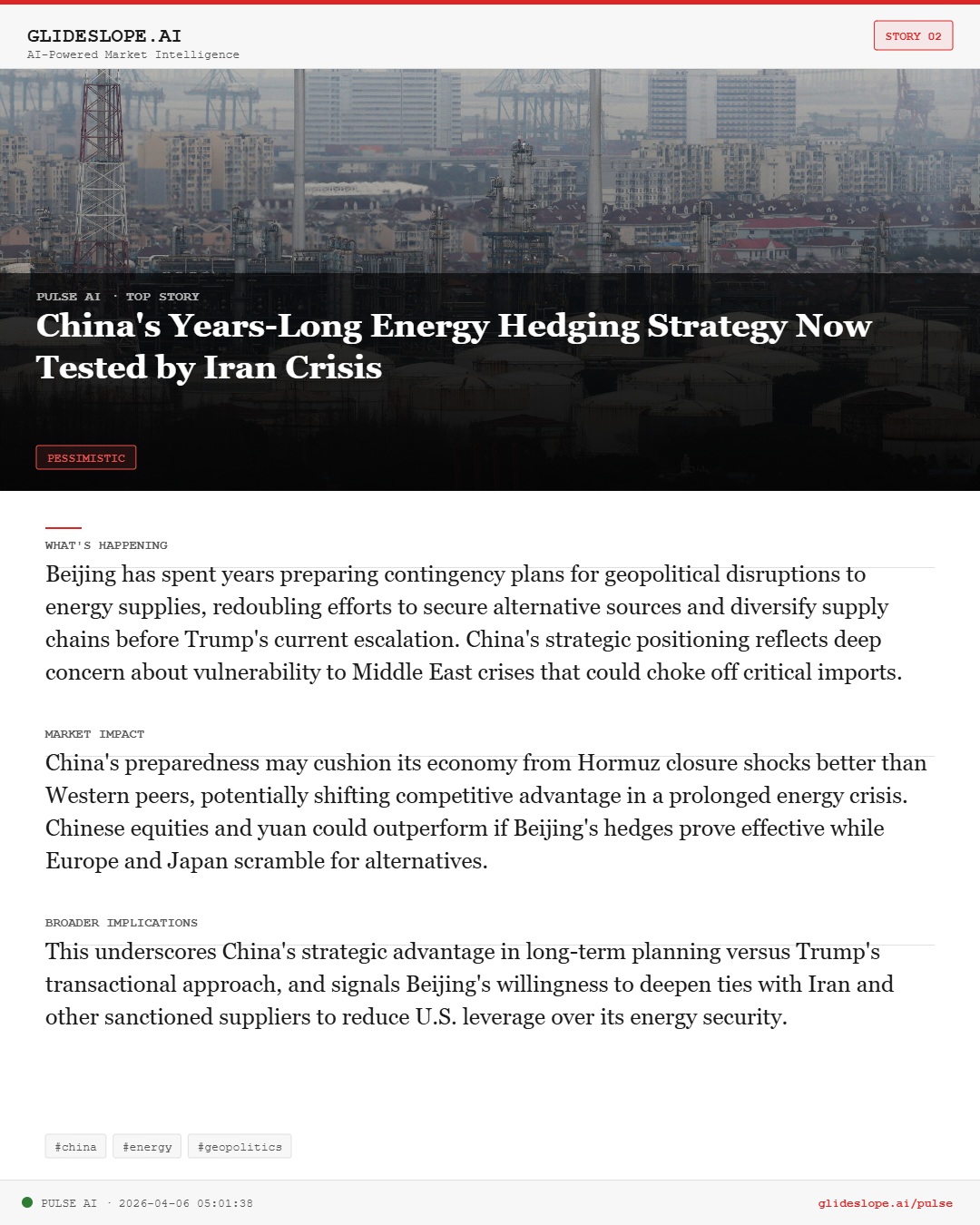
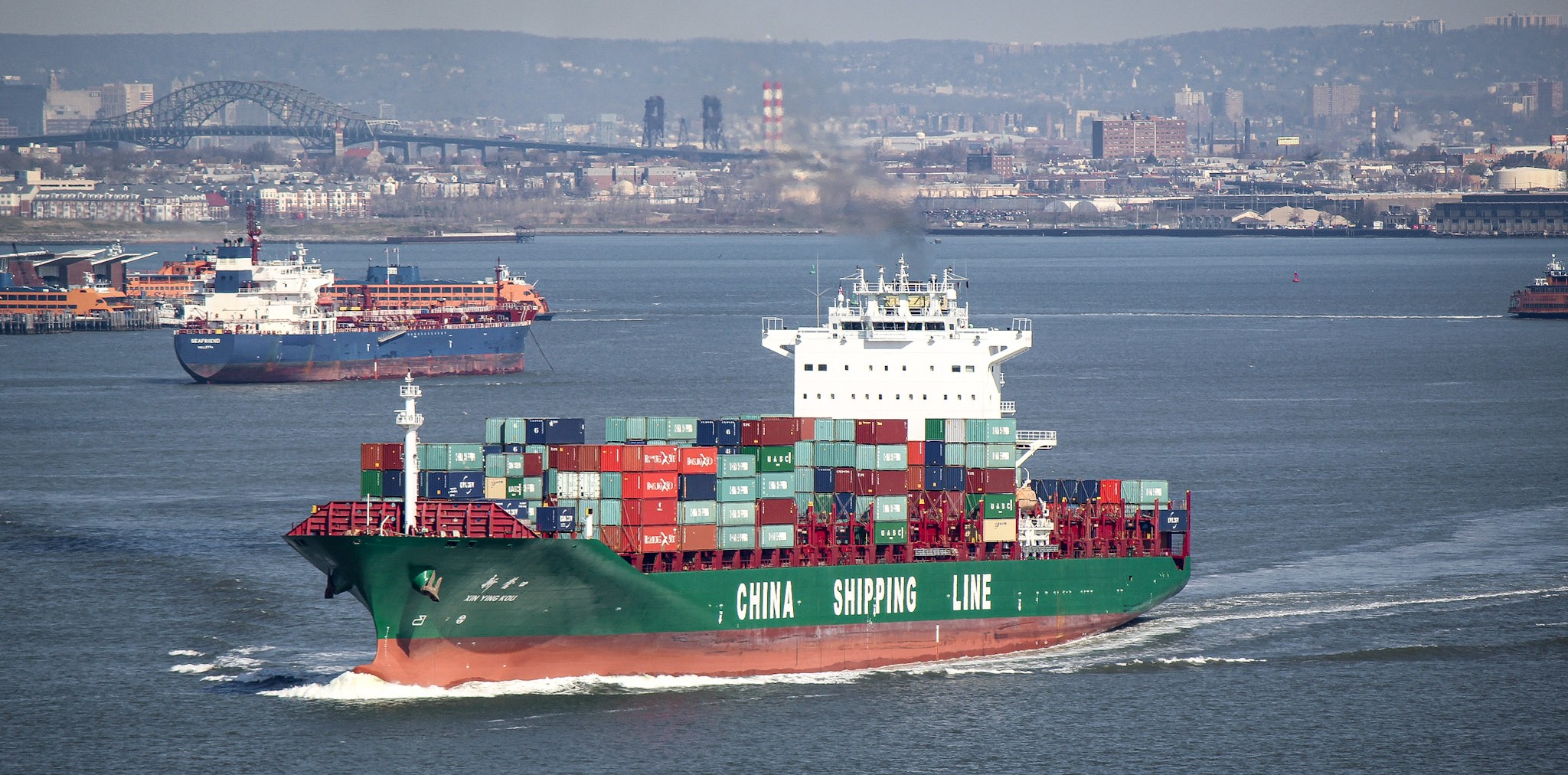
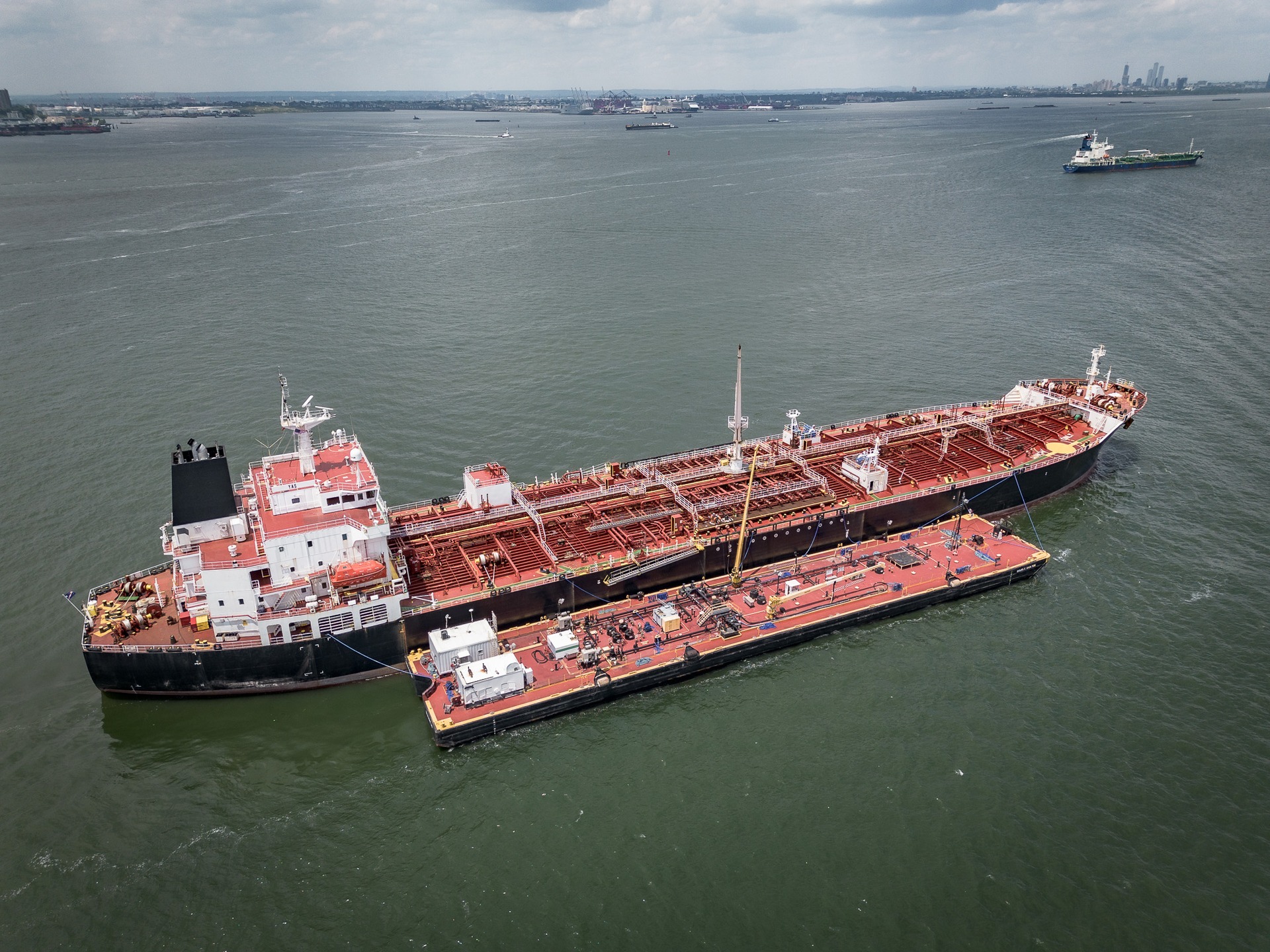
The actor nobody is publicly gaming out is China, which buys roughly 90% of the Iranian crude that moves through those tankers, paid for in yuan, and is exactly the traffic Trump said he'll interdict in international waters. The Saudi bypass pipeline Iran hit on April 8 was the early signal that the real fight was never about nuclear enrichment or Lebanon. It was about who decides which barrel reaches Shanghai. Nine days on the ceasefire clock and the consolidation is already underway.

16990.png

I track energy, infrastructure, and capital flows daily. If you got this far, consider subscribing to my free newsletter for weekly in-depth briefs on topics like this. https://breakingmetrics.substack.com

Breaking Metrics | Substack
Civil engineer and investor writing about markets, geopolitics, and how real-world systems break. Click to read Breaking Metrics, a Substack publication with hundreds of subscribers.
breakingmetrics.substack.com

So how do we rebuild? construction Apr 10, 2026
BM
@breakingmetrics
Apr 10, 2026 · 11:53 AM
construction

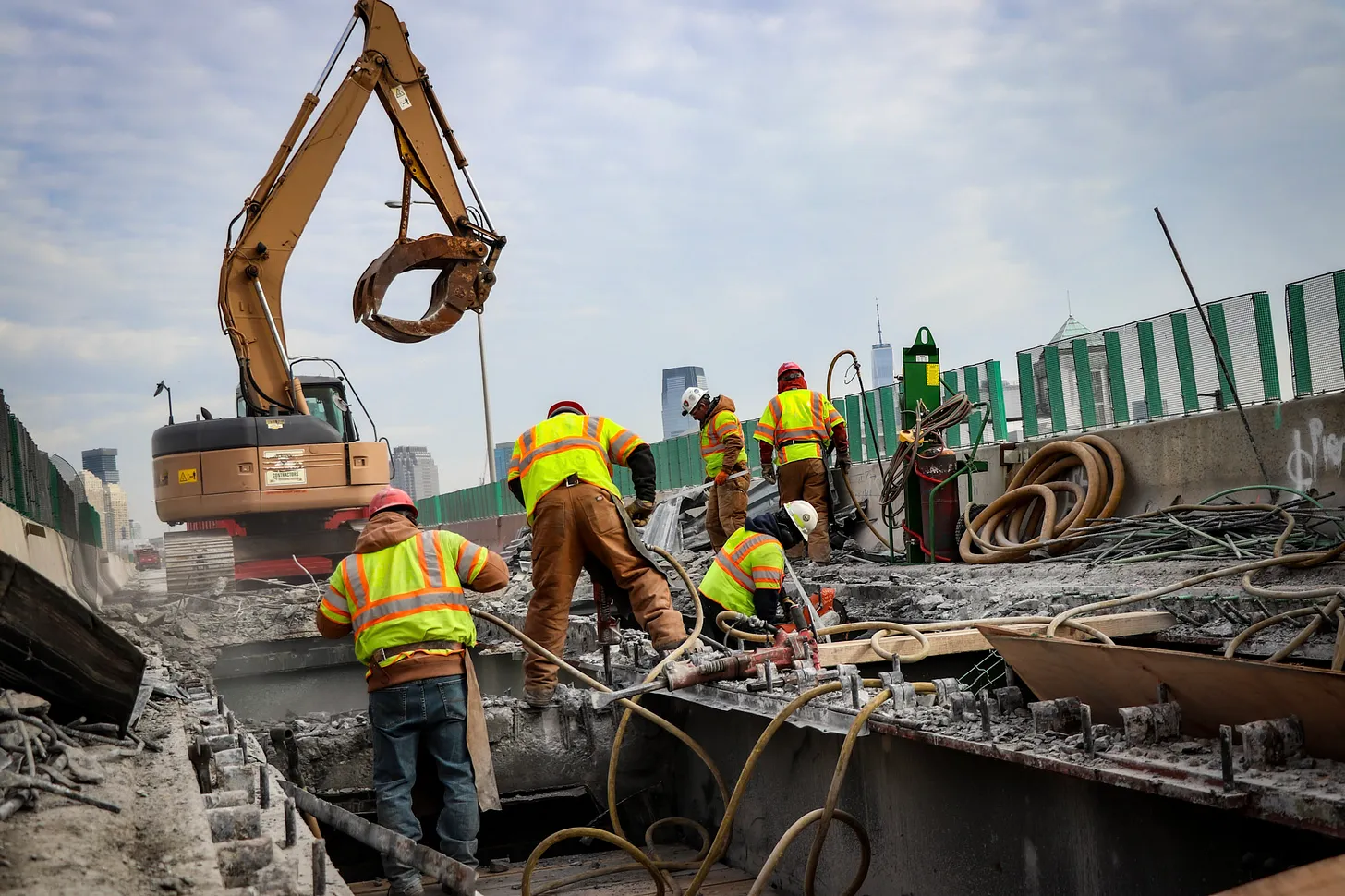
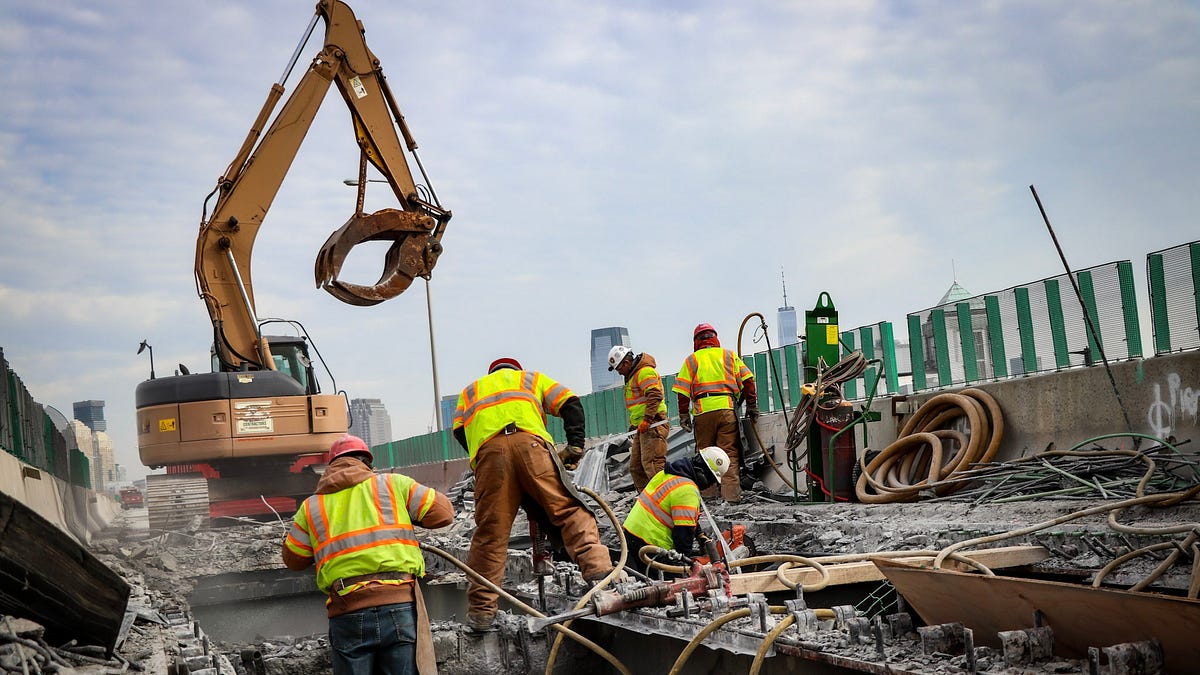
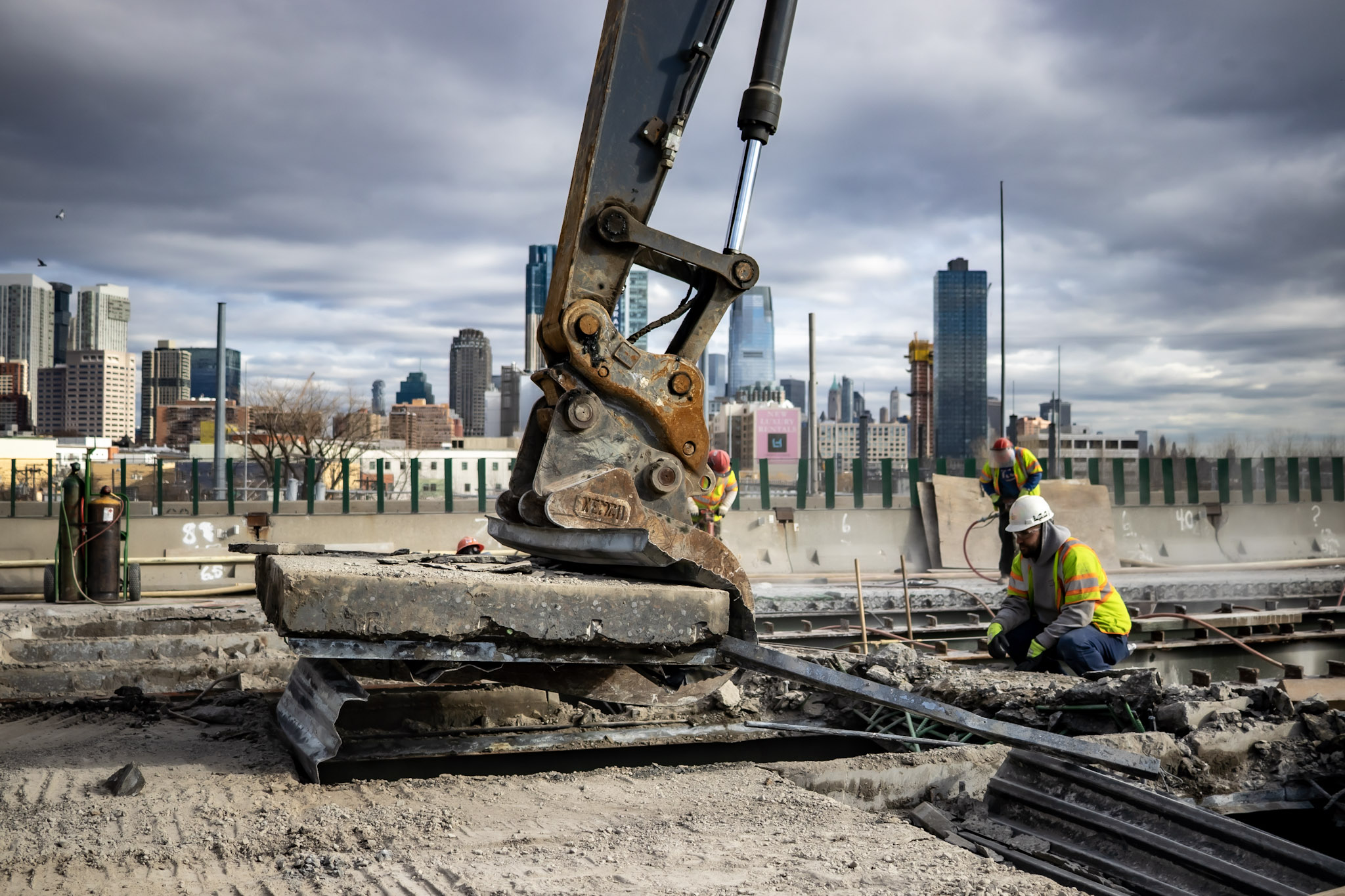
My entire career was spent building bridges, highways, and public infrastructure in New York. I've submitted more cost proposals and fought more liquidated damage claims than I can count. Every negotiation had one thing in common: both sides wanted something built. The dispute was always in how we got there. So how do we rebuild Lebanon, Gaza, and the Gulf States after the dust settles? Who gets to rebuild Tehran?

2b8098af-b014-4892-97d8-ca3be8af18bf_2048x1365.webp

Iran doesn't have a construction industry. It has a military that builds things. Every road, dam, pipeline, metro, and power plant runs through one entity controlled by the IRGC. They built the Fordow nuclear enrichment facility with the same crews that build highways. What do you think happens when the reconstruction money starts flowing?

iran infra.png

Every major target in this war has been infrastructure. Iran hit Abqaiq, the world's largest crude processing facility. The US hit every military installation and key bridges in Iran. Iran closed the Strait of Hormuz and choked 20% of the world's oil supply. Iran hit airports, refineries, pipelines, and desalination plants. This war wasn't about ideology. It was about who controls the means of moving energy and people for the next forty years.

80ddb5fbbff9d00e586d56be959d84cd.png

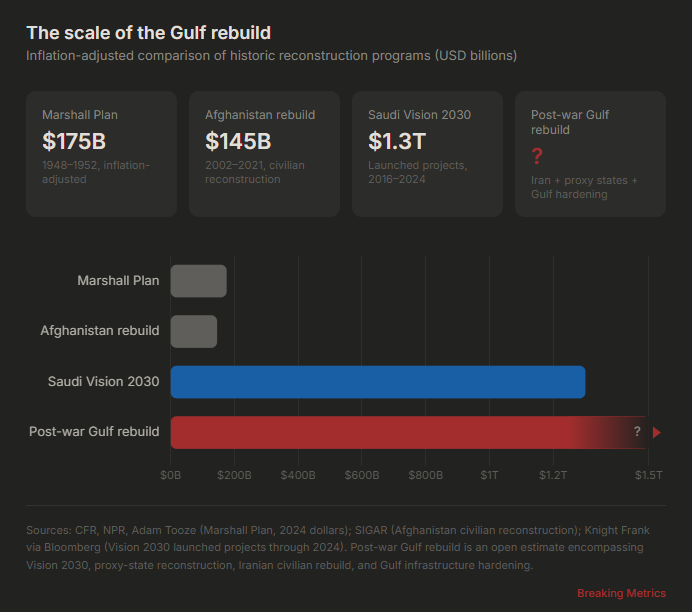
The Marshall Plan cost $175 billion in today's dollars. Saudi Vision 2030 has launched $1.3 trillion in projects. The post-war Gulf rebuild, when you add Iran, Lebanon, Syria, Yemen, and Gaza, is bigger than both combined. Hardly anyone in financial media is talking about the scale of what comes next because nobody in financial media has ever priced a public infrastructure contract.

c23a0dc479c35b6af0cdd7926fab1db8.png

Who actually gets the contracts to rebuild a whole region? And more importantly, who's positioned to make a killing off of it? I made a list of American contractors looking at the Middle East like it's freshly baked American Pie, and each one of them wants a slice. Some of these firms have been in Saudi Arabia since 1945. I break down the money and the politics behind the biggest rebuild in modern history in this week's brief: https://open.substack.com/pub/breakingmetrics/p/liquidated-damages

Liquidated Damages
Who's going to rebuild everything??
open.substack.com

BM
@breakingmetrics
Apr 9, 2026 · 6:14 PM
oil

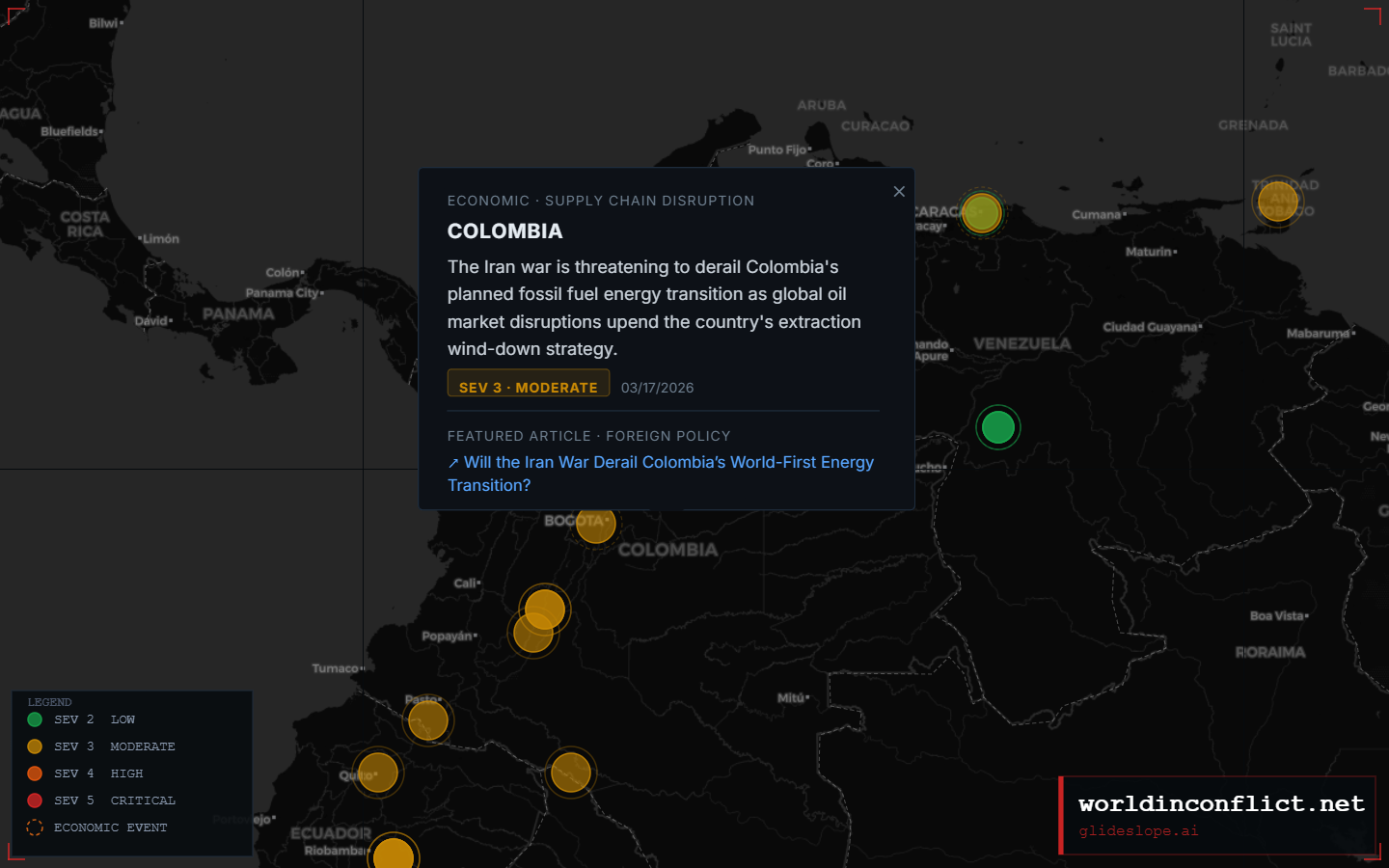
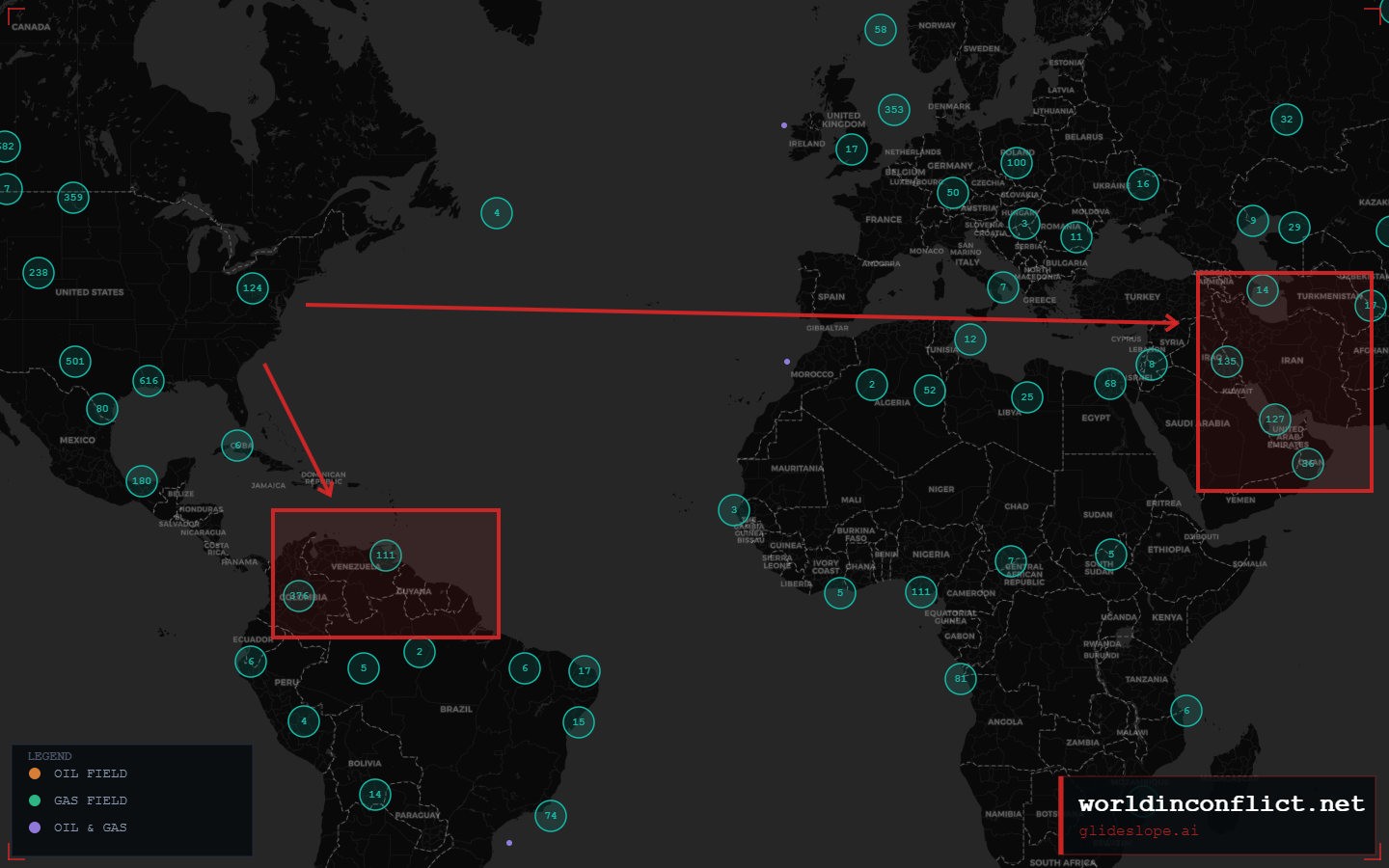
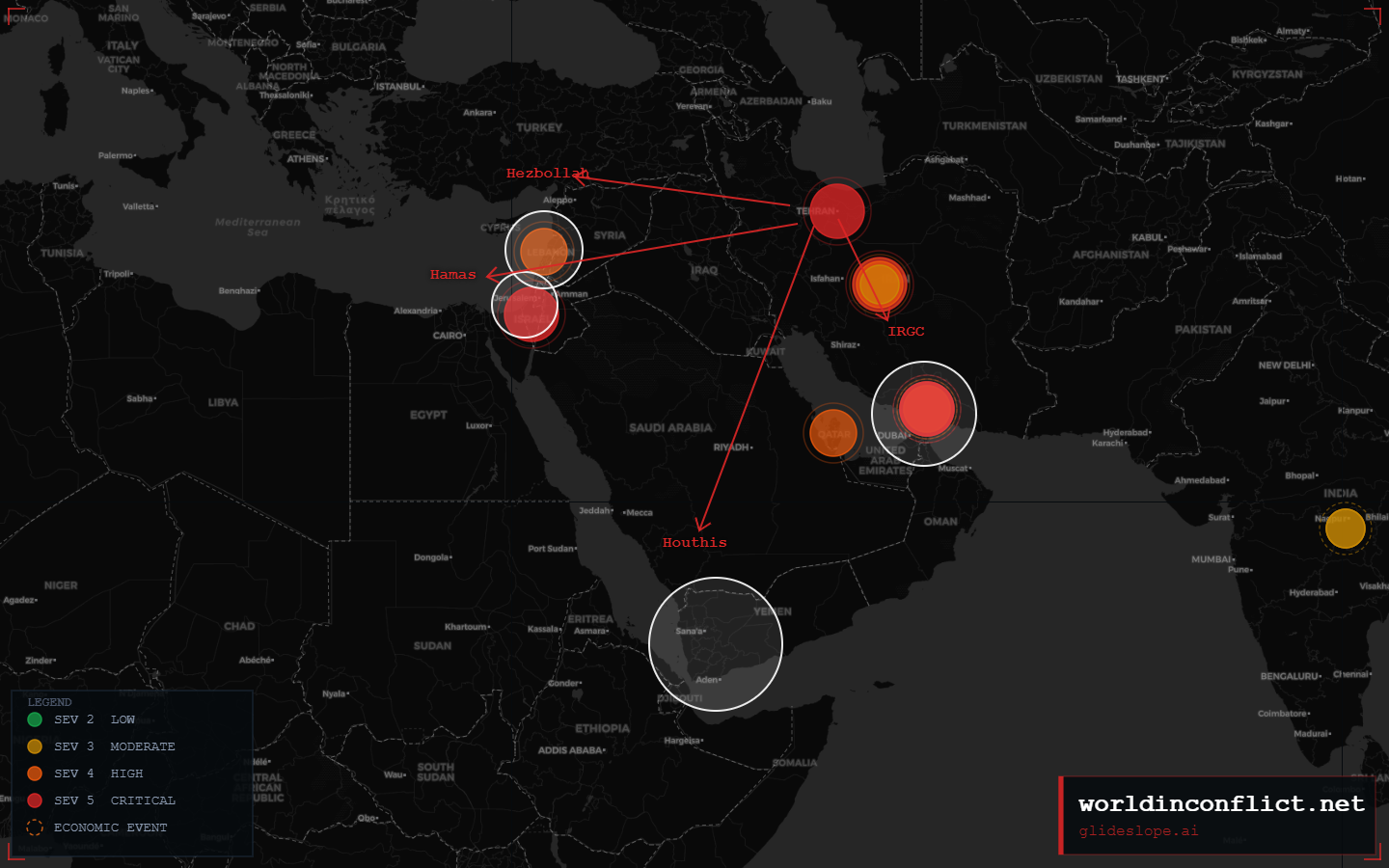
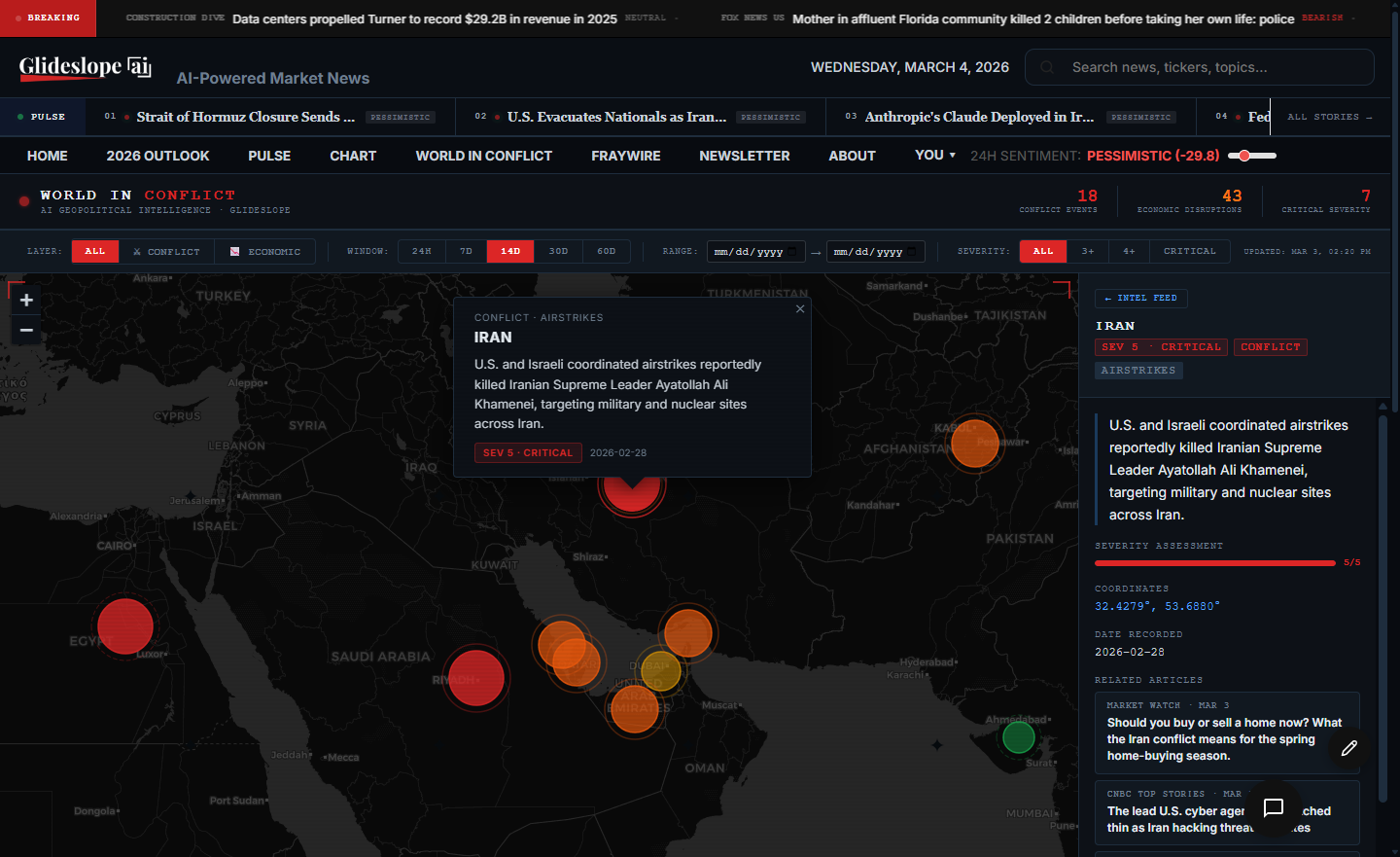
I built an AI map that tracks conflict zones and economic crises worldwide. It pulls from over 150,000 news articles I've been archiving for years to a database and analyzes the news on a geopolitical scale. Given everything happening in Hormuz and Lebanon, do you notice what region is quiet?

wic-snap-2026-04-09T22-21-16.png

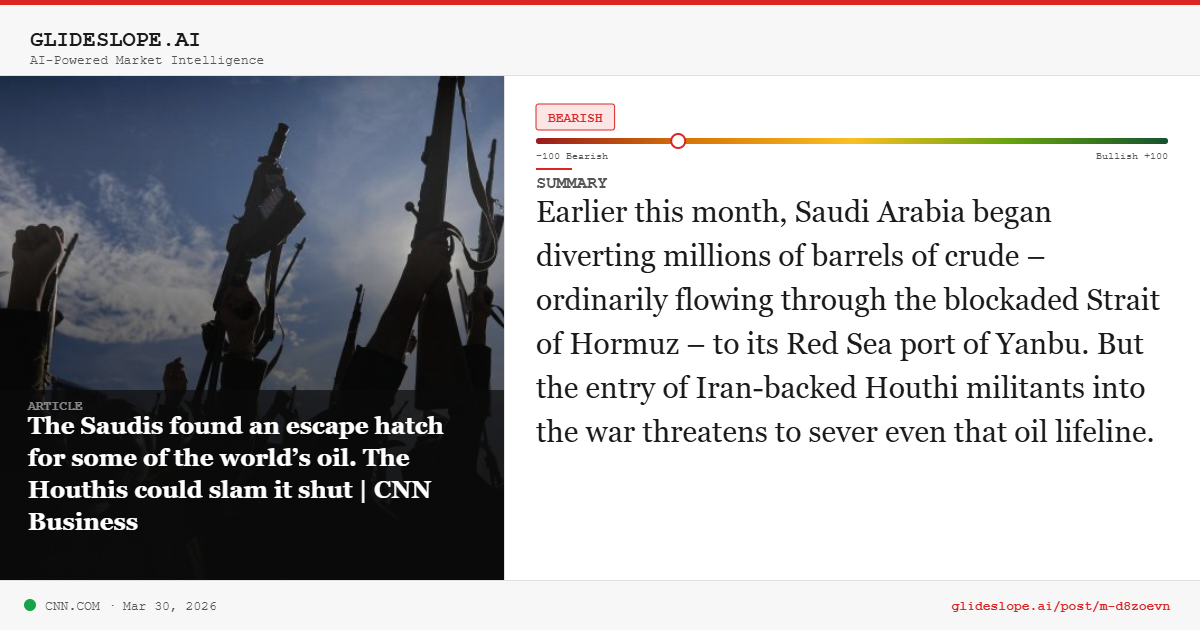
This is what World in Conflict does. It's built into Glideslope AI and reads the news for you. The Houthis have been quiet, for now, but any involvement by the Saudis could trigger another Strait closure, this time at the Bab al-Mandab Strait.

gs-snap-banner-m-d8zoevn.png

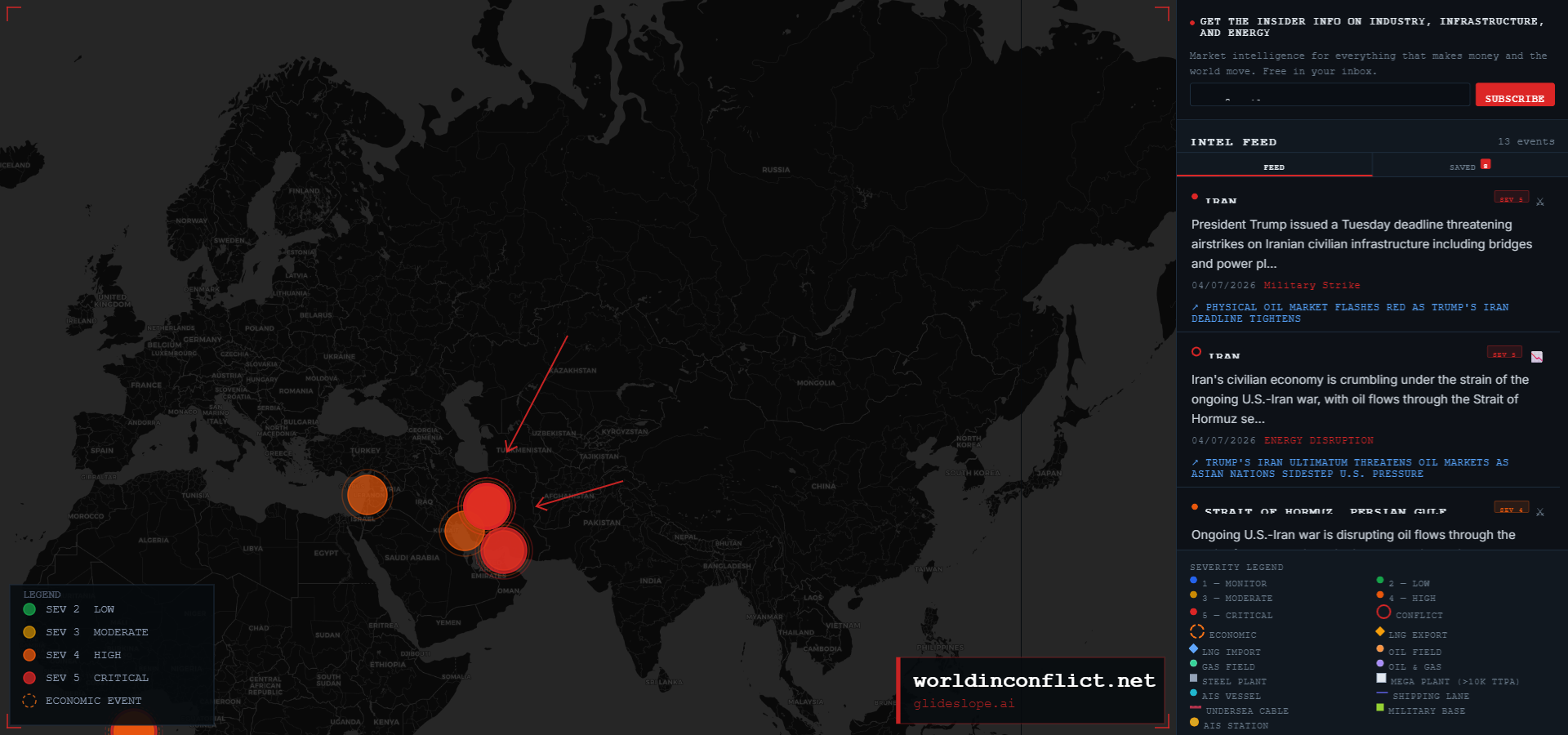
While the world is distracted with what Israel is doing, I'm keeping an eye on the Houthis and the Bab al-Mandab Strait. A conflict here can easily send oil to $150+ land-locked with zero change of exiting either side of the Saudi peninsula. Check it out at https://www.worldinconflict.net

wic-snap-2026-04-09T22-37-29.png
World in Conflict — Global Crisis Map
Live geopolitical conflict and economic disruption map powered by AI intelligence analysis.
www.worldinconflict.net

And if you got this far and want to see more of what I do and what I research, consider subscribing to my Substack @ https://breakingmetrics.substack.com

Breaking Metrics | Substack
Civil engineer and investor writing about markets, geopolitics, and how real-world systems break. Click to read Breaking Metrics, a Substack publication with hundreds of subscribers.
breakingmetrics.substack.com

BM
@breakingmetrics
Apr 7, 2026 · 7:59 PM
construction

I've been pricing reconstruction for almost two decades. What I'm watching happen to Iran's infrastructure is a multitrillion dollar rebuilding job and China and Russia are about to win every contract. Last night cooler heads got us a ceasefire, which brings us one step closer to peace. Here's where the money flows after the war ends.

IMG_2161.jpg

Belt and Road was already inside Iran before the first bomb dropped. A destroyed Iran is more useful to Beijing than a functioning one. War makes Iran more dependent, indebted, and locked in for a decade of spending. Russia brings the energy expertise and the sanctions workarounds. Together, Russia and China end up owning Iran like a satellite state.

wic-snap-2026-04-08T00-01-56.png

The rest of the Middle East is a different story. Saudi Arabia, Kuwait, and the UAE absorbed billions in damage but they're not calling Beijing to fix it. That reconstruction bill gets paid in dollars and the contracts go to firms with the relationships, the bonding capacity, and the track record to deliver at that scale.

Europe contributed nothing to this war and they're about to find out what that costs them. The reconstruction contracts they should be winning are going to American and Asian firms. Germany rebuilt its industrial model around cheap energy that no longer exists and they don't even have a seat at the table.

gs-snap-banner-a5jix7u.png

I'm making a list of American firms that are positioned to win Gulf reconstruction contracts. These are companies with the history, the regional relationships, and capacity to operate at scale. That's the next Breaking Metrics project. While American contractors eye a Saudi power plant, some Russian oligarch is already pricing out a ski chalet in the Alborz mountains while his firm bids the Iran contract. I wish I was joking, but that's how this works. https://breakingmetrics.substack.com

Breaking Metrics | Substack
Civil engineer and investor writing about markets, geopolitics, and how real-world systems break. Click to read Breaking Metrics, a Substack publication with hundreds of subscribers.
breakingmetrics.substack.com

This isn't over. energy Apr 6, 2026
BM
@breakingmetrics
Apr 6, 2026 · 5:41 PM
energy

I've been pricing oil and steel into public infrastructure contracts for 16 years. When Trump threatened to obliterate Iranian power plants on Sunday, crude dipped, then surged past $111. The market got more information and repriced fast. It's telling you this isn't over.

658975361_17959155408099555_412267194175818889_n.jpg

21 million barrels a day move through Hormuz. Oil slid on the ultimatum anyway. China's renewable push is like buying flood insurance on a house it already knew was underwater. India resumed Iranian imports after seven years and the headlines are calling it a geopolitical realignment, but the simpler read is that India bought the cheapest barrel available. Anyone who's managed a supply chain knows the difference between a foreign policy statement and procurement.

659719326_17959154739099555_5029518680235430288_n.jpg
661344883_17959154754099555_616869752488914140_n.jpg

China scrambling, India buying cheap, and oil sliding on a military ultimatum all landed in the same weekend, and they're not three separate stories. If you want to understand what ties them together, Breaking Metrics has been tracking the energy, infrastructure, and strategy angle on this conflict for weeks. Everything's right here: breakingmetrics.substack.com

Breaking Metrics | Substack
Civil engineer and investor writing about markets, geopolitics, and how real-world systems break. Click to read Breaking Metrics, a Substack publication with hundreds of subscribers.
breakingmetrics.substack.com

BM
@breakingmetrics
Apr 4, 2026 · 11:32 AM
infrastructure ★ Featured

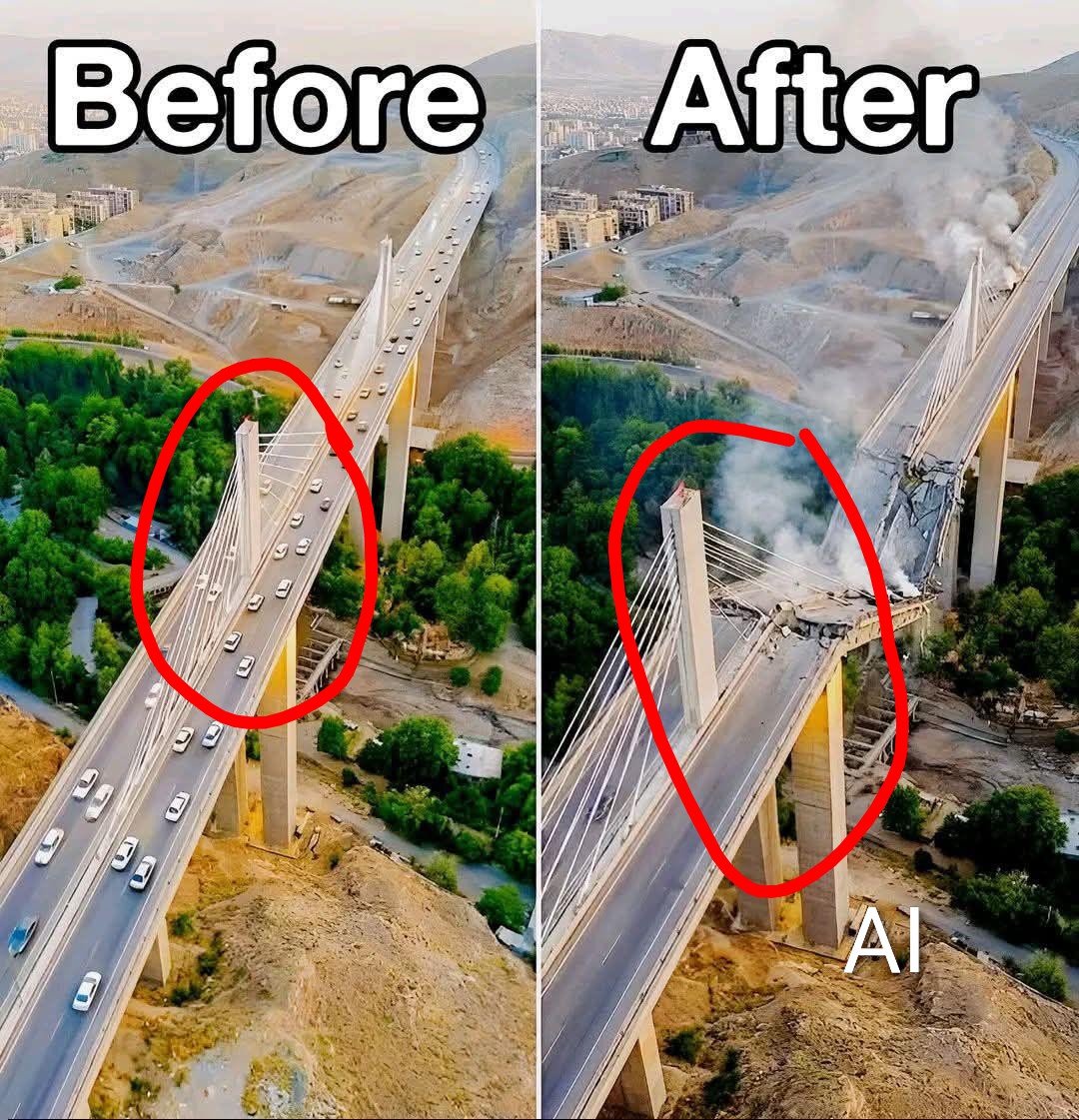
Civilian infrastructure is always the first casualty of war. Within minutes of the US strike on Iran's B1 Bridge, social media suddenly grew a bleeding heart for the IRGC. For the 5 weeks before the bridge was hit, Iran had been targeting and striking civilian infrastructure but the outrage around that was conveniently nowhere to be seen. Each week the war drags, the premium cost of civil reconstruction grows.

16712.jpg

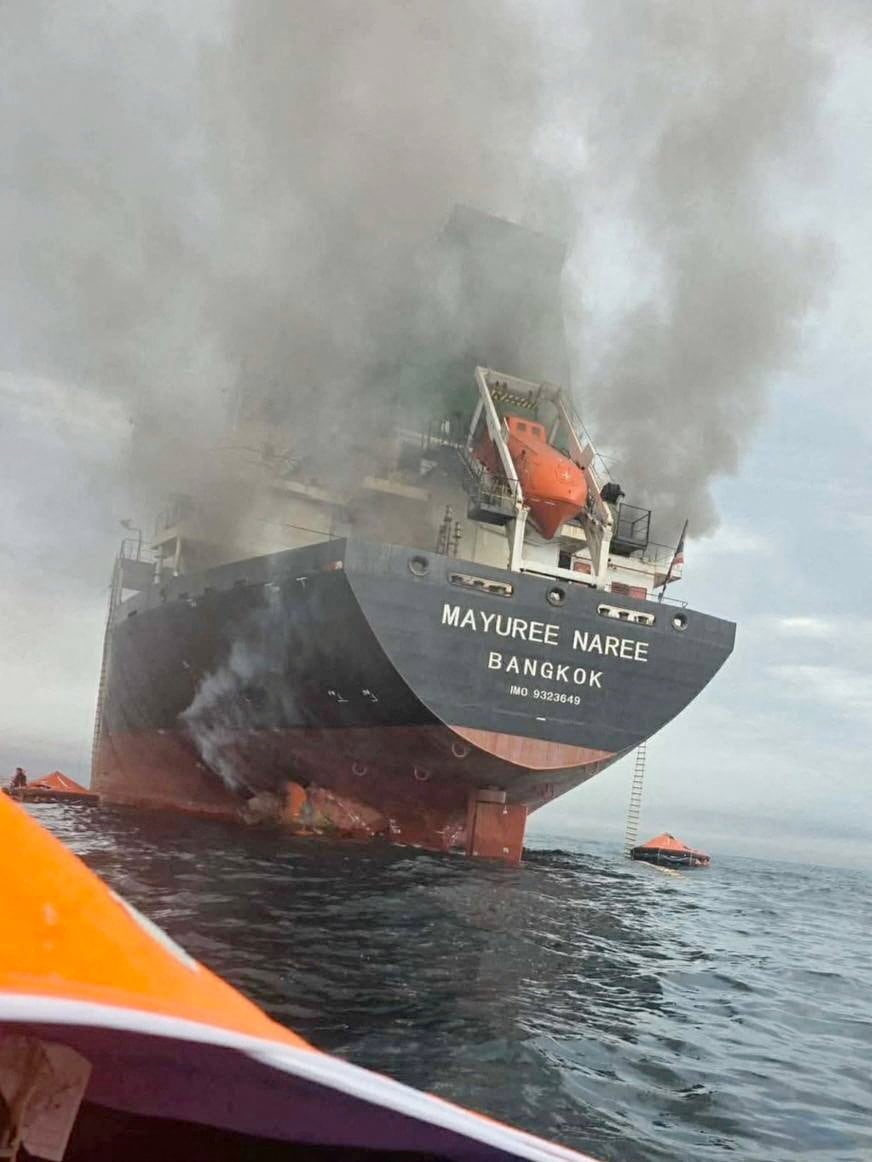
Iran made 21 confirmed attacks on unarmed merchant vessels in the Strait of Hormuz. They mined a waterway carrying 20% of the world's oil supply. Unarmed oil tankers became Iranian targets in a military conflict over nuclear weapons capabilities.

16736.jpg

Iranian drones hit a desalination plant in Bahrain, where 90% of the region's drinking water comes from. Kuwait's plant took a direct hit and killed a worker. Dubai International Airport was struck and evacuated. The Burj Al Arab caught fire. Jebel Ali Port burned. All of it - silence.

16734.webp

The B1 bridge was barely open when it was struck. The Hill reported it was a planned military supply route for Iran's ballistic missile and drone force. The armchair generals weren't grieving civilian infrastructure. As the conflict escalates, Trump's timetable shrinks. https://thehill.com/policy/defense/5813304-iran-bridge-struck-trump/

Every week this war continues, the reconstruction premium compounds. The sovereign wealth funds that were supposed to finance the next decade of Middle East infrastructure don't forget footage like this. They model it, they price it, and projects that made sense six weeks ago, don't anymore.

Trump started this war and now he has to deliver something durable. A ceasefire gets the guns quiet, but a lasting peace deal gets the cranes moving. The difference between those two outcomes is worth hundreds of billions in deferred investment and that number grows every week.

16030.jpg

Trump has the leverage and he knows it. The question isn't whether he can win this war. It's whether he can win the peace. Full piece at the link below. This is what Breaking Metrics tracks. Follow and subscribe if you want more infrastructure and energy analysis like this every week. https://breakingmetrics.substack.com

Breaking Metrics | Substack
Civil engineer and investor writing about markets, geopolitics, and how real-world systems break. Click to read Breaking Metrics, a Substack publication with hundreds of subscribers.
breakingmetrics.substack.com

BM
@breakingmetrics
Apr 1, 2026 · 8:09 PM
ai

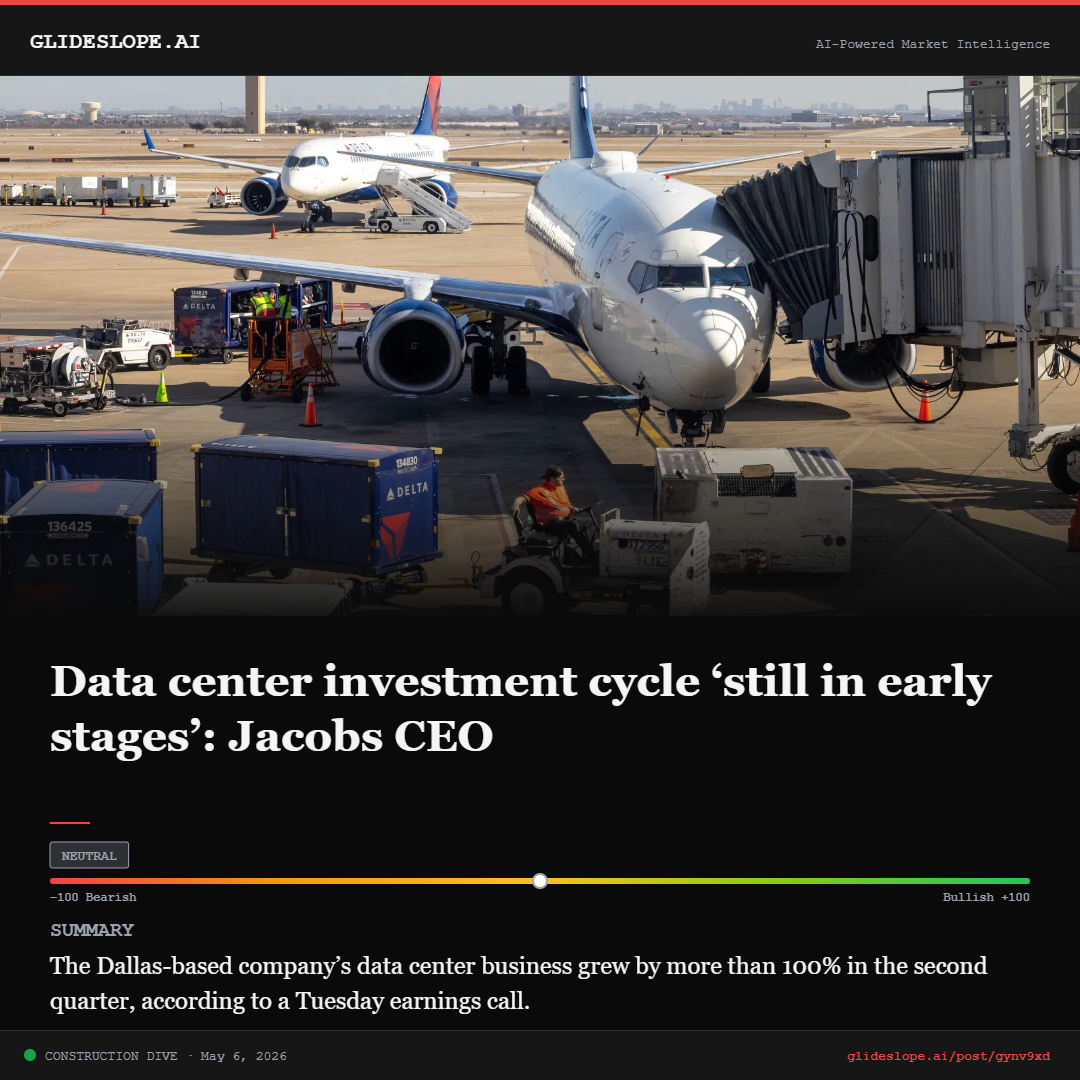
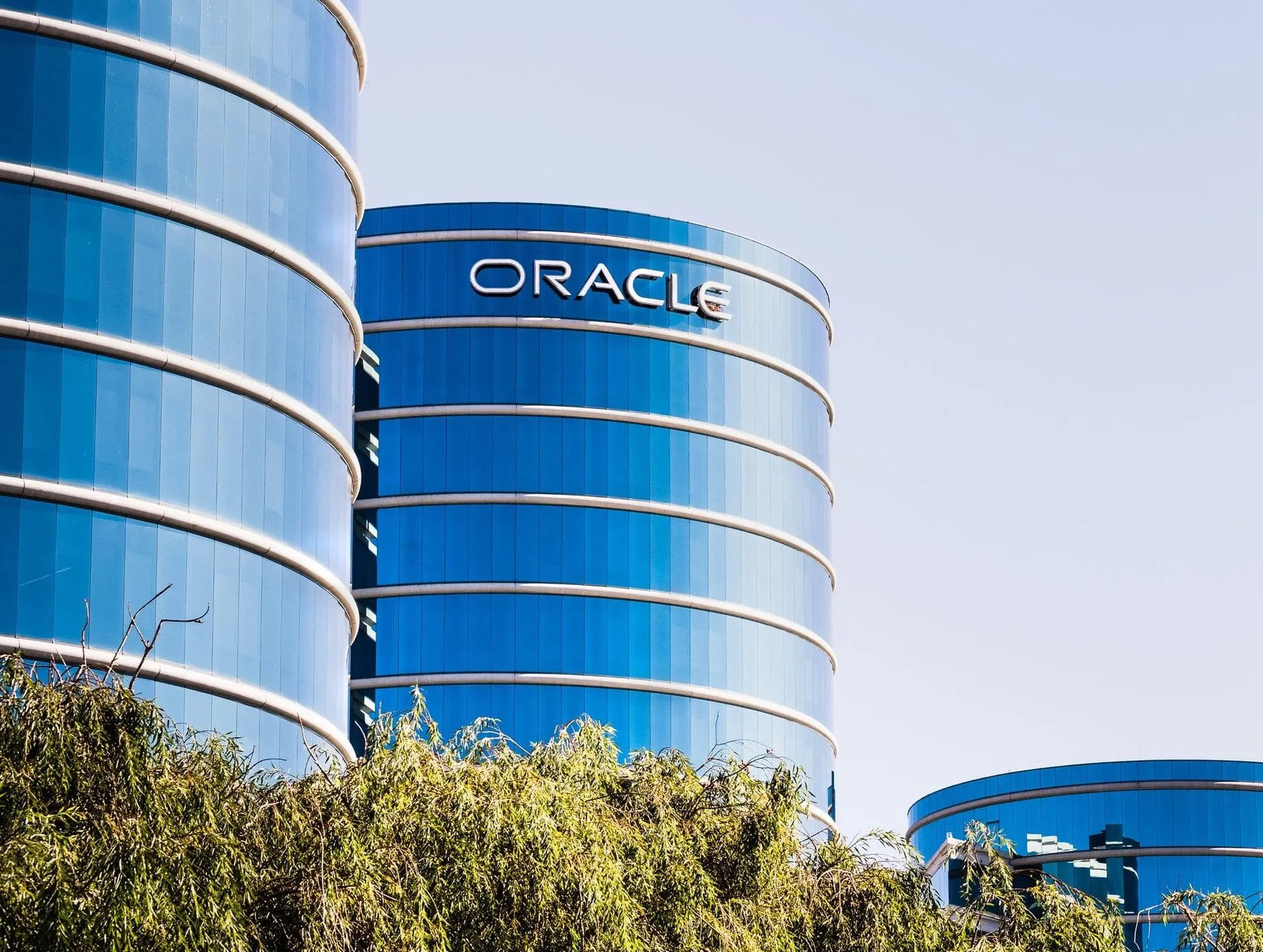
Oracle cut 30,000 people yesterday to fund AI data centers. Their net income last quarter was up 95%. This wasn't a struggling company cutting to survive. It was a profitable company eliminating the workforce that AI is replacing. The economy is splitting in two. The real question is where's the money actually going?

657620292_17958044583099555_6887814945914197343_n.webp

Here's the split. The Oracle employee who got a termination email at 6am yesterday has a college degree, a desk job, and a skillset that a language model can replicate for a fraction of their salary. The laborer pouring the concrete foundation for the data center that replaced them has none of those problems. You can't offshore a concrete pour. You can't automate an ironworker framing the structure. The trades are about to have the best decade they've seen in a generation.

657712853_17958045000099555_20444795064561167_n.webp

But it won't last forever. Data center construction is a build cycle, not a permanent employment base. You build it, you commission it, and the crew moves on. What stays behind is a facilities and maintenance workforce that's smaller, more specialized, and (sometimes) better paid than what came before. The construction boom is real, but so is the cliff at the end of it.

658879721_17958044991099555_4876238302409077613_n.webp

The reality for the next five years: white collar tech employment contracts sharply while trades employment surges, then plateaus at a higher baseline than before. The real question is, where do these laid off workers go?

This is what Breaking Metrics tracks - where capital is actually flowing and who it leaves behind. If that's worth following, check it out here: breakingmetrics.substack.com

Breaking Metrics | Substack
Civil engineer and investor writing about markets, geopolitics, and how real-world systems break. Click to read Breaking Metrics, a Substack publication with hundreds of subscribers.
breakingmetrics.substack.com

BM
@breakingmetrics
Mar 27, 2026 · 7:22 AM
economics

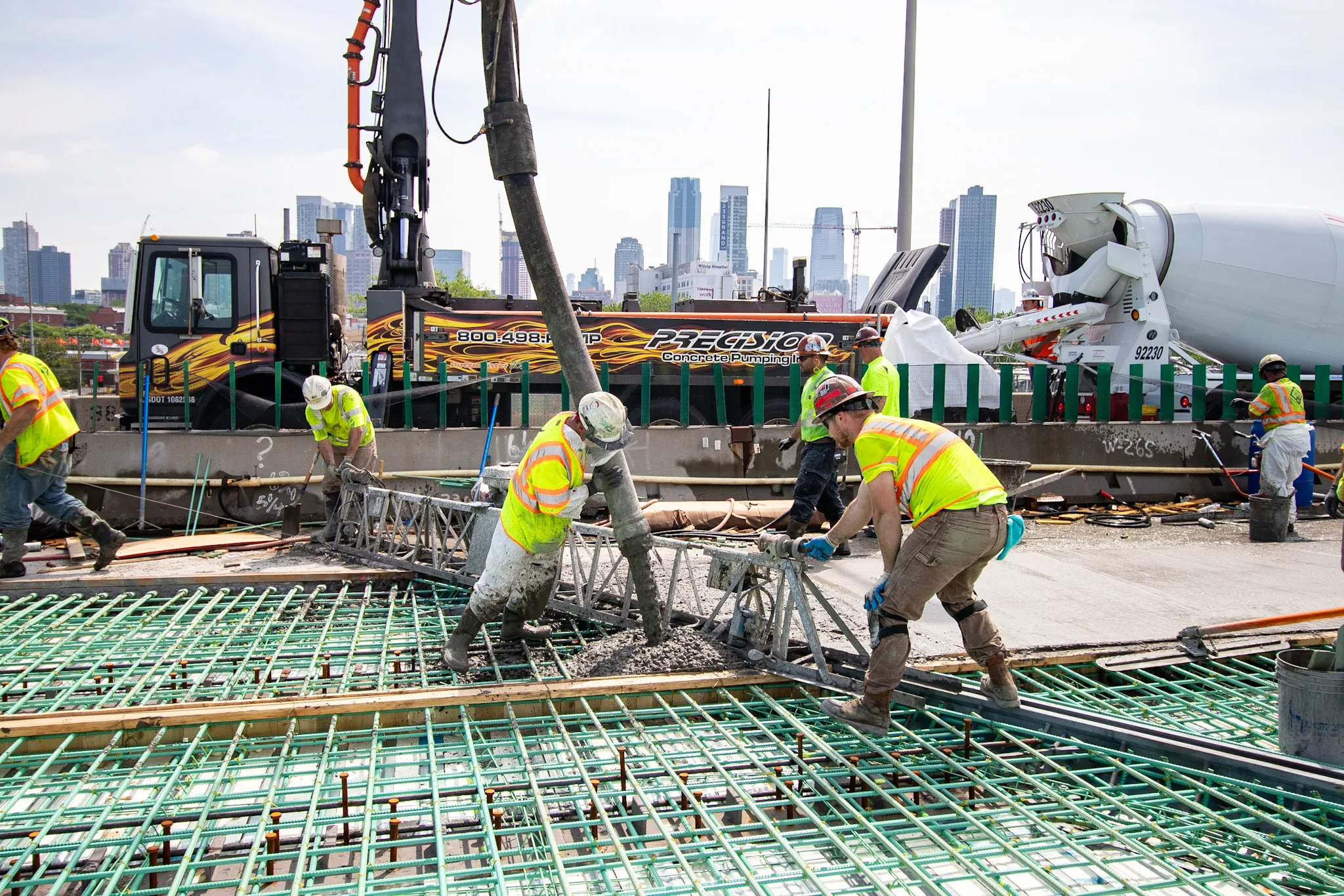
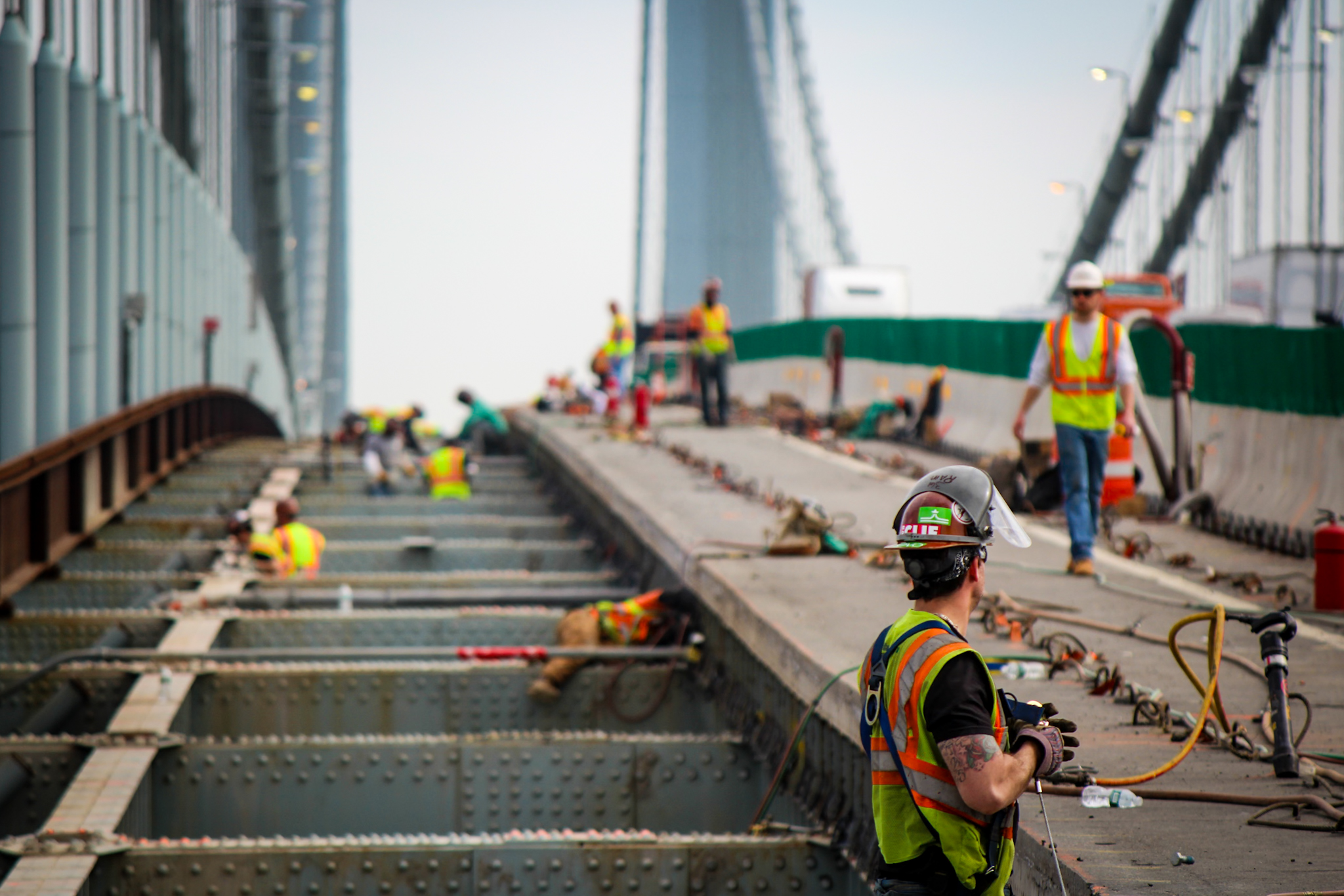
I spent three years installing Chinese steel on the Verrazano-Narrows Bridge. Not because anyone preferred it. Because the procurement rules made it impossible to do anything else. Trump's tariffs and his military pressure on global energy chokepoints are a direct response to exactly that problem. Here's the connection nobody's making.

16192.jpg

The vessel was the Chipolbrok Galaxy, delivering panels fabricated by a Chinese state-owned enterprise for the Verrazano-Narrows Bridge. Every contractor bidding that job ran the same numbers and reached the same conclusion: carry an American fabricator and you lose. The procurement rules didn't require domestic steel, so the only move was go foreign. We were forced to hand it to the Chinese.

IMG_1032 (1).jpg

And here's the part nobody wants to admit. The American public demanded a cheaper bridge and got one. If that contract had gone to an American fabricator, the cost would have been astronomical and the same public complaining about Chinese steel would have been complaining about the bill instead. The problem is that cheap public works and a strong American industrial base are mutually exclusive, and we spent twenty years pretending otherwise.

IMG_1093 (1).jpg

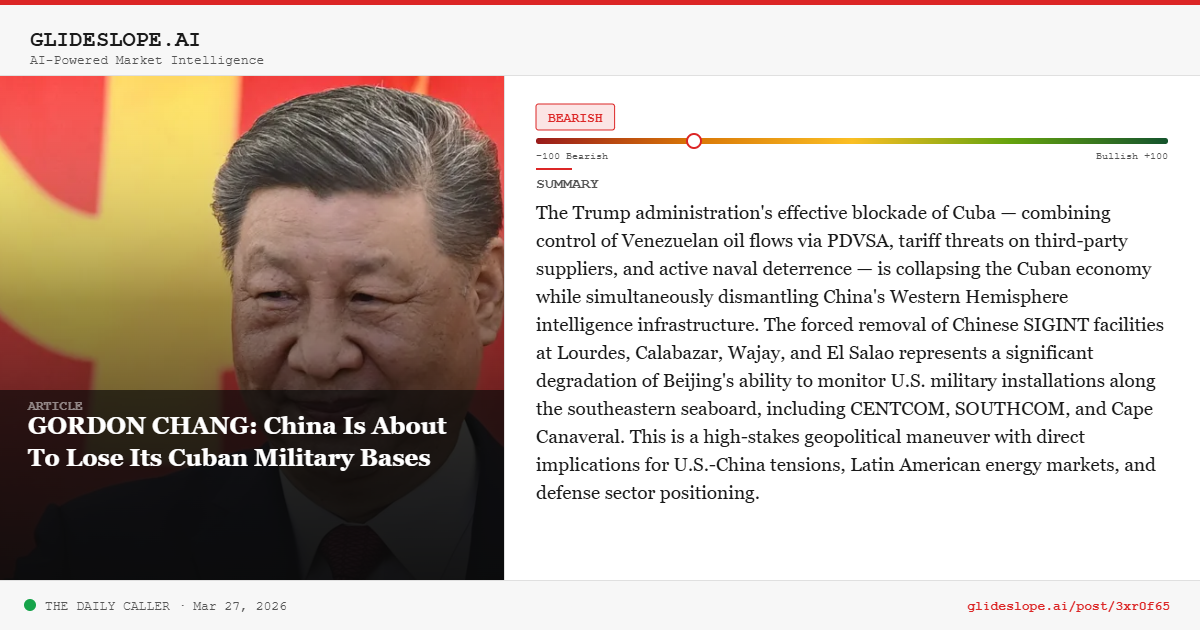
Here's what that pier taught me that nobody talks about. China didn't win on price alone. They won because their manufacturing ran on subsidized energy and that energy came from three specific places: Venezuela. The Strait of Hormuz. Russia. Those three supply lines are what made Chinese steel cheap enough to beat American shops on American bridges for twenty straight years.

Now look at what's happened in the last few months. Venezuela's supply to China: disrupted. Hormuz: under active military siege. Russian pipeline access: constrained. Three simultaneous hits on the exact three energy nodes that subsidized Chinese manufacturing. You think that's a coincidence?

gs-snap-banner-3xr0f65.png

This didn't start in 2026. Trump's first term put 25% tariffs on Chinese steel in 2018 under Section 232, then expanded to tariffs on $360 billion in Chinese goods under Section 301, and framed all of it as a national security matter rather than a trade dispute. The administration's position was unambiguous: Chinese industrial dominance isn't a pricing problem, it's a structural threat to American capacity. The Coordinated Squeeze is that same argument, just now with military reach.

What most analysts are missing is that tariffs were never going to be enough on their own, because slowing the bleeding isn't the same thing as treating the wound. Chinese manufacturing was cost-competitive because it ran on cheap subsidized energy flowing in from Venezuela, Russia, and through the Strait of Hormuz. Cut off that energy and you change the underlying cost structure that made American fabricators uncompetitive in the first place, which is exactly what's happening right now.

wic-snap-2026-03-27T14-34-18.png

The window isn't unlimited though. China holds about 120 days of crude storage, which means this strategy has to produce results before that buffer runs out, and a China that feels genuinely cornered with no diplomatic off-ramp stops calculating rationally and starts acting on other options. Xi Jinping's December speech made those options explicit: reunification of Taiwan by force if necessary. The current administration is threading a needle that gets harder to thread the longer it takes.

gs-snap-banner-yni3ti9.png

I counted those panels off a Chinese ship at Red Hook because the rules made it the only rational choice, and thousands of American workers paid in lost revenue for that rationality. Those rules are finally changing. Whether they stay changed depends on whether Americans understand why they needed to change in the first place. Full breakdown at Breaking Metrics.

Breaking Metrics — Real Economy Intelligence
Independent intelligence covering industry, construction, manufacturing, and energy. Newsletter, market tools, and data platforms.
www.breakingmetrics.com

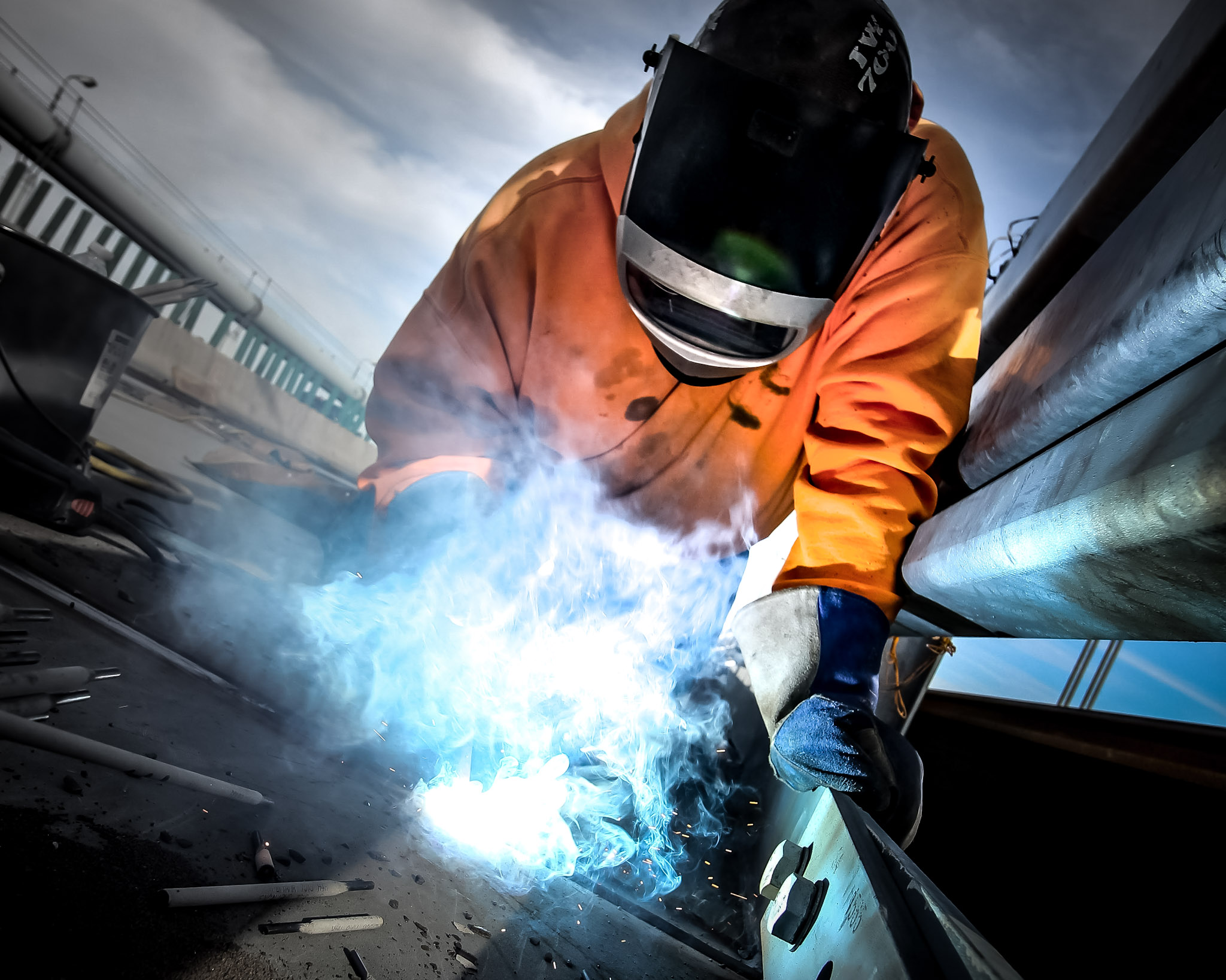
We can't find enough welders energy Mar 26, 2026
BM
@breakingmetrics
Mar 26, 2026 · 9:10 PM
energy

The S&P just posted its worst day since the Iran conflict started. Central banks are warning of an oil-driven inflation spike. And America's nuclear buildout is stalling because we can't find enough welders. Nobody's asking why all three of these are happening at the same time.

16114.jpg

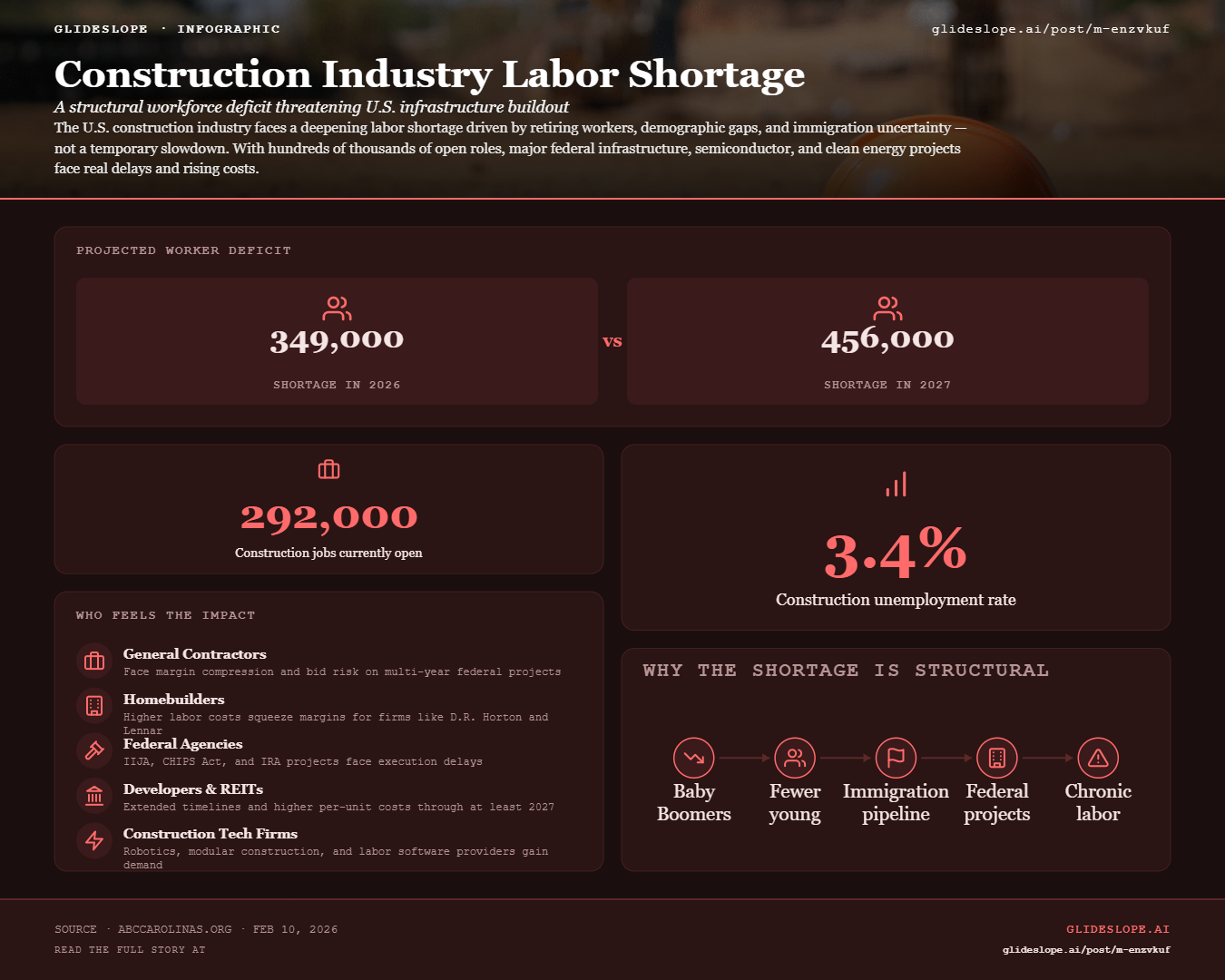
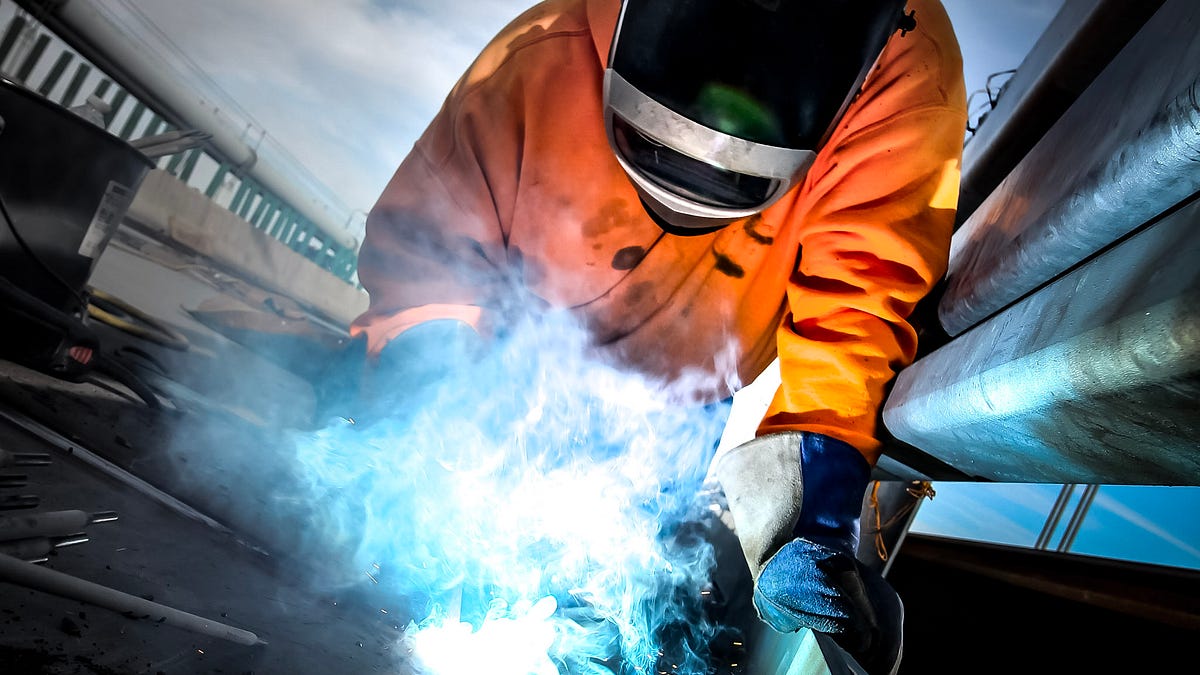
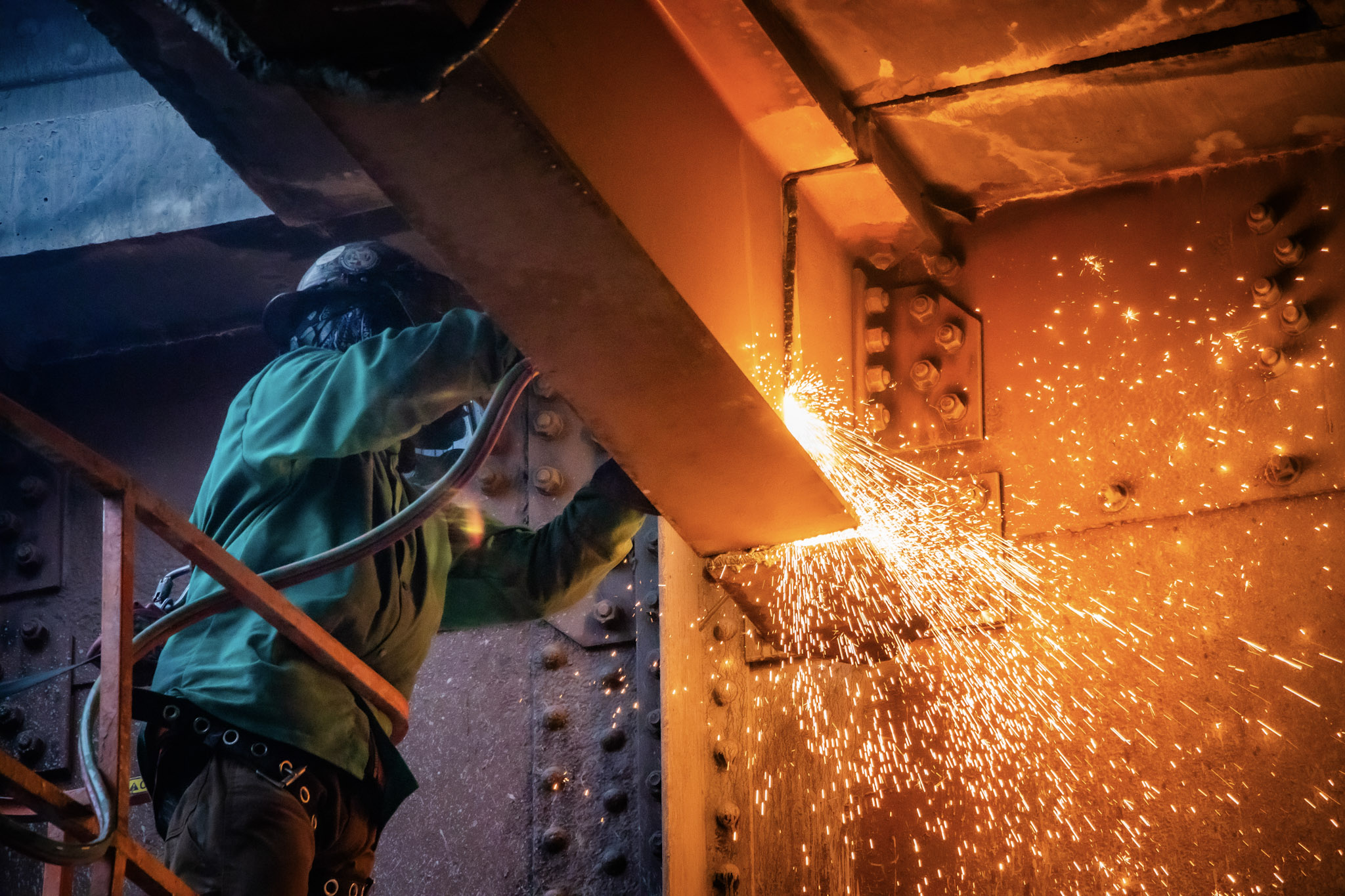
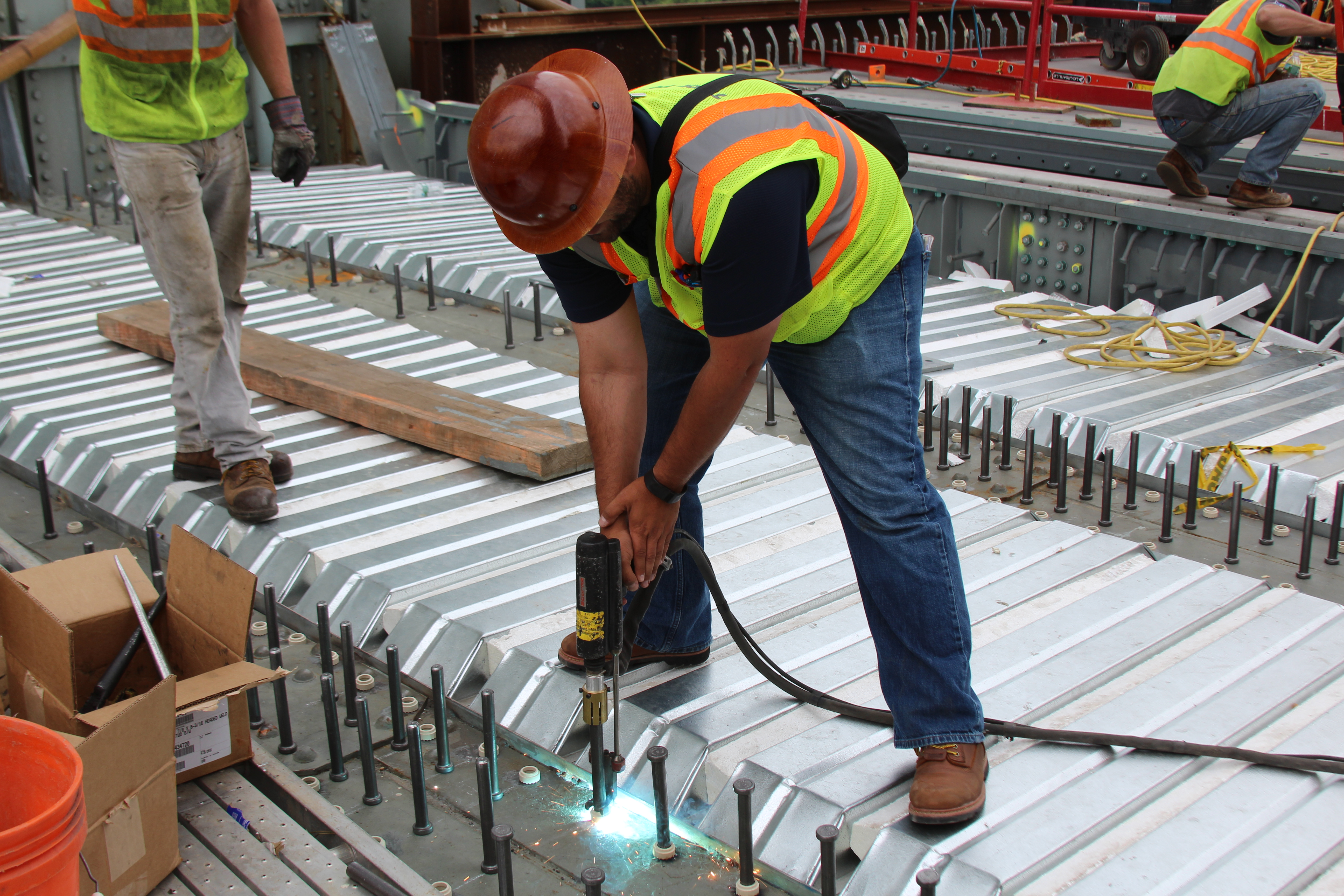
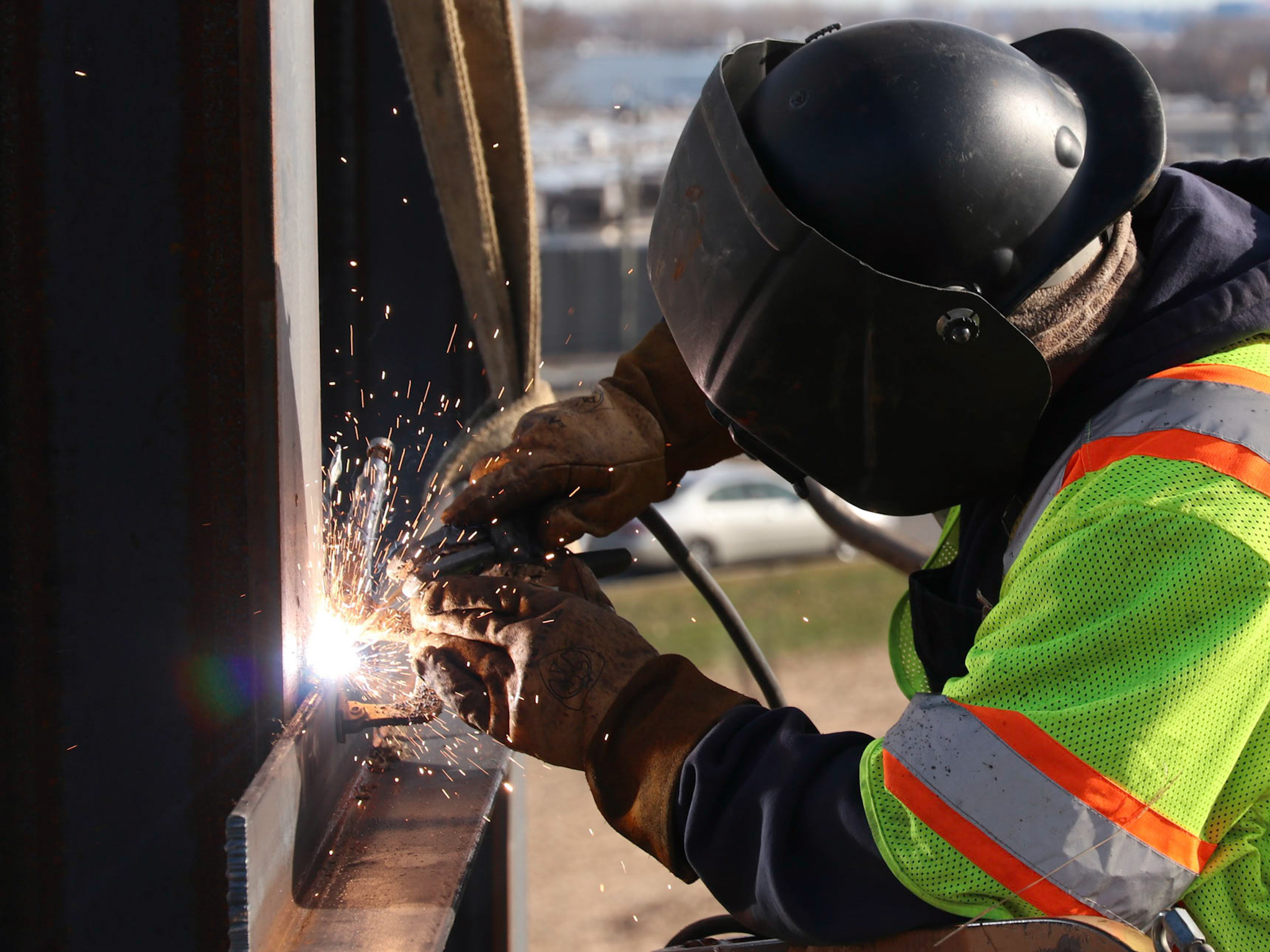
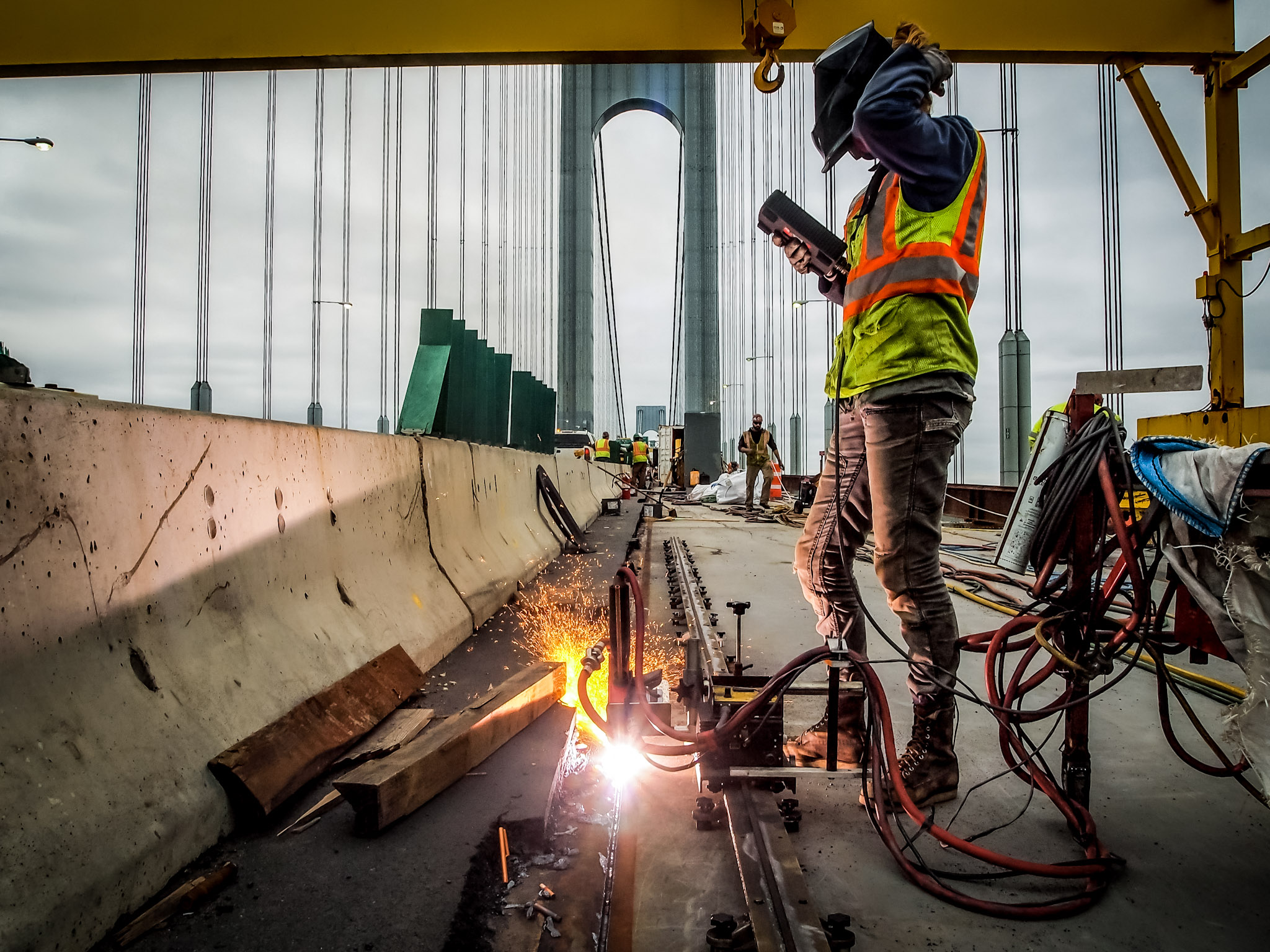
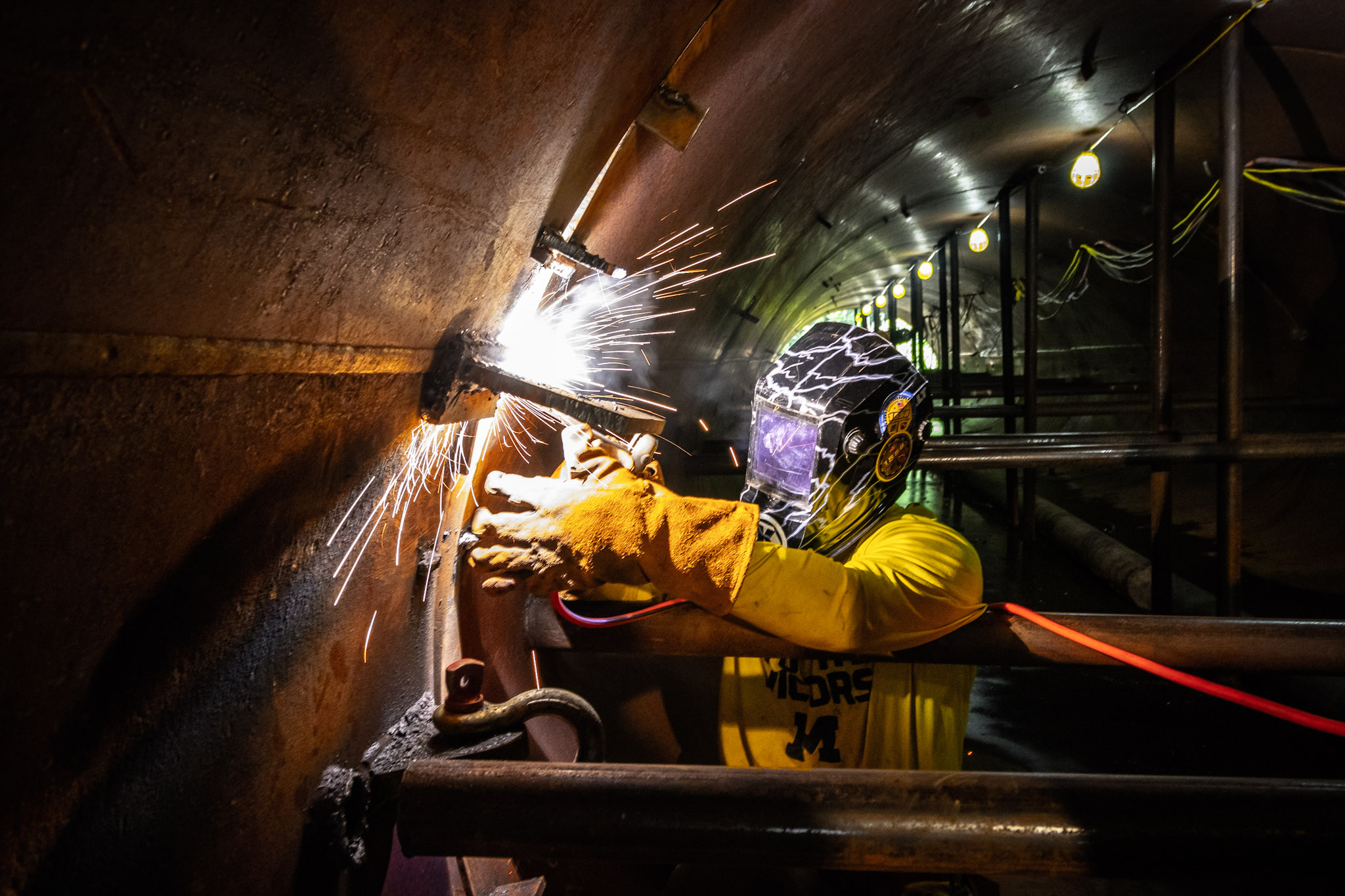
America has spent the last decade telling an entire generation that building things was someone else's job. The trades got left behind. And now we're trying to fight an energy war that requires ironworkers, pipefitters, and nuclear technicians we don't have enough of.

16107.png

The geopolitical strategy is real. The tariffs, the energy chokepoints, the pressure on China's supply chain; all of it points in the right direction. But a strategy that depends on domestic industrial capacity only works if that capacity actually exists. Right now it doesn't, and the market is starting to price that in.

16109.png

Tomorrow I'm showing you where this started and why it's been hiding in plain sight for a decade. Get the full briefing at: https://www.breakingmetrics.com

Breaking Metrics — Real Economy Intelligence
Independent intelligence covering industry, construction, manufacturing, and energy. Newsletter, market tools, and data platforms.
www.breakingmetrics.com

America is running a wartime economy. economics Mar 25, 2026
BM
@breakingmetrics
Mar 25, 2026 · 1:52 PM
economics

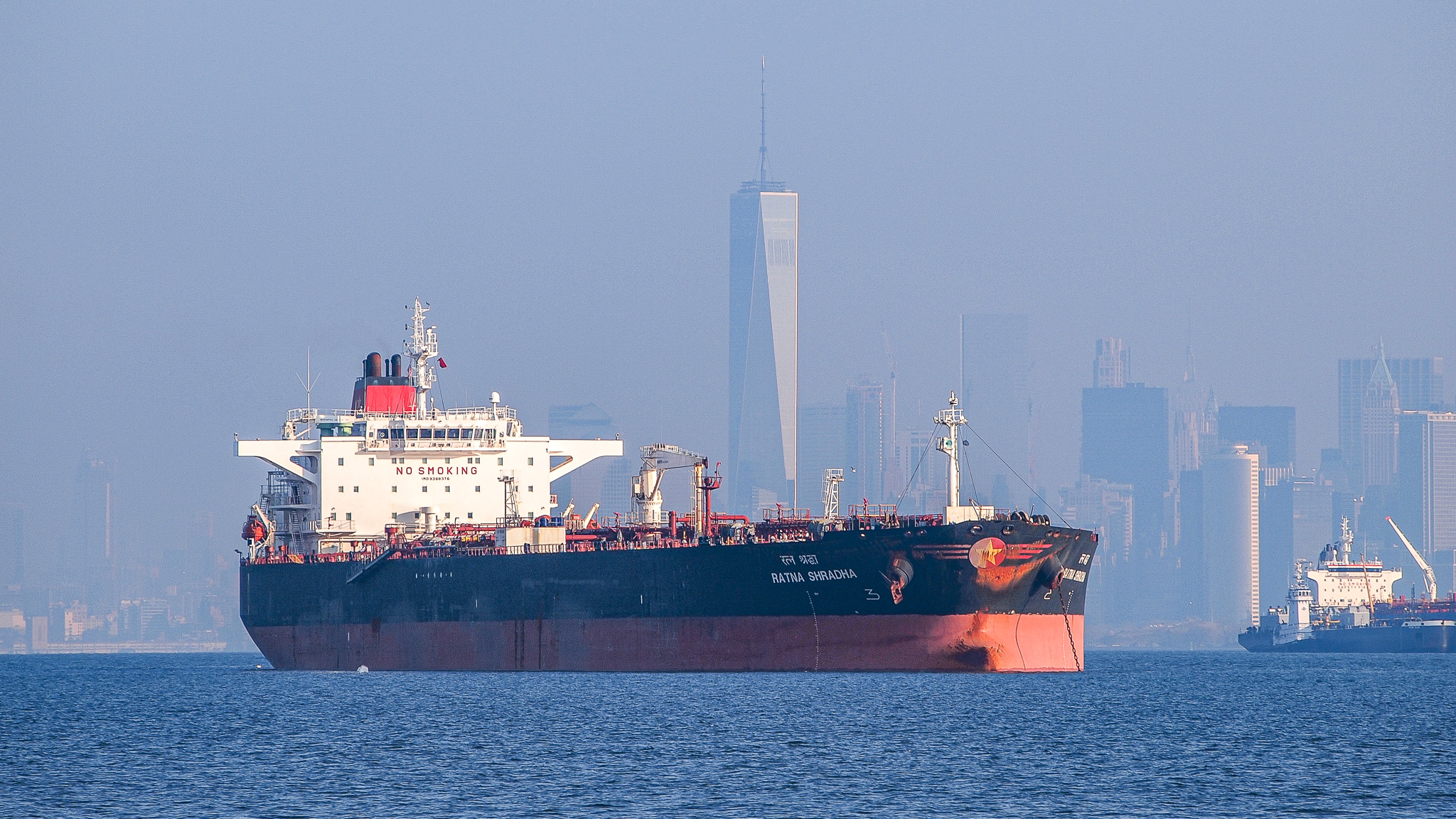
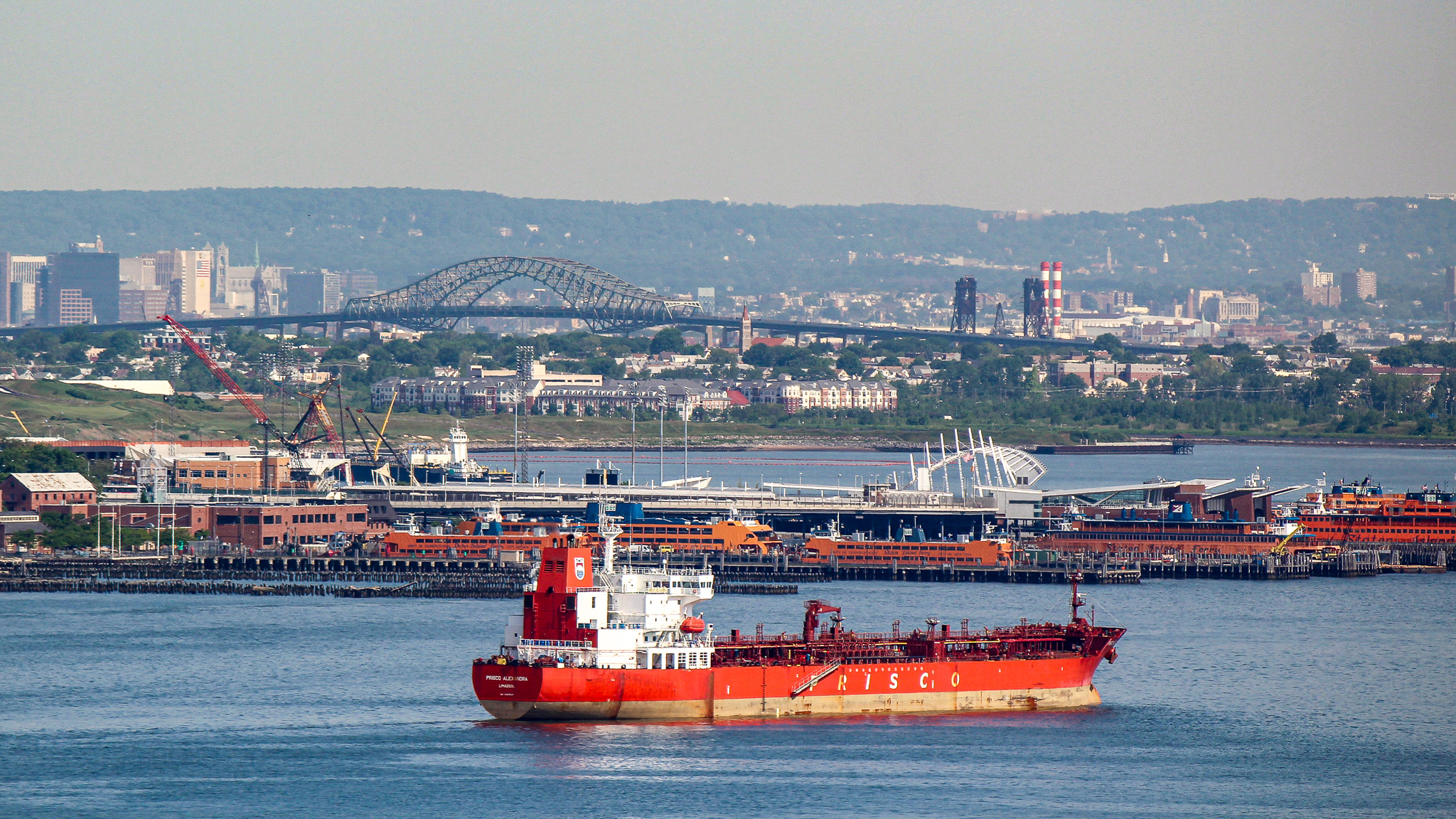
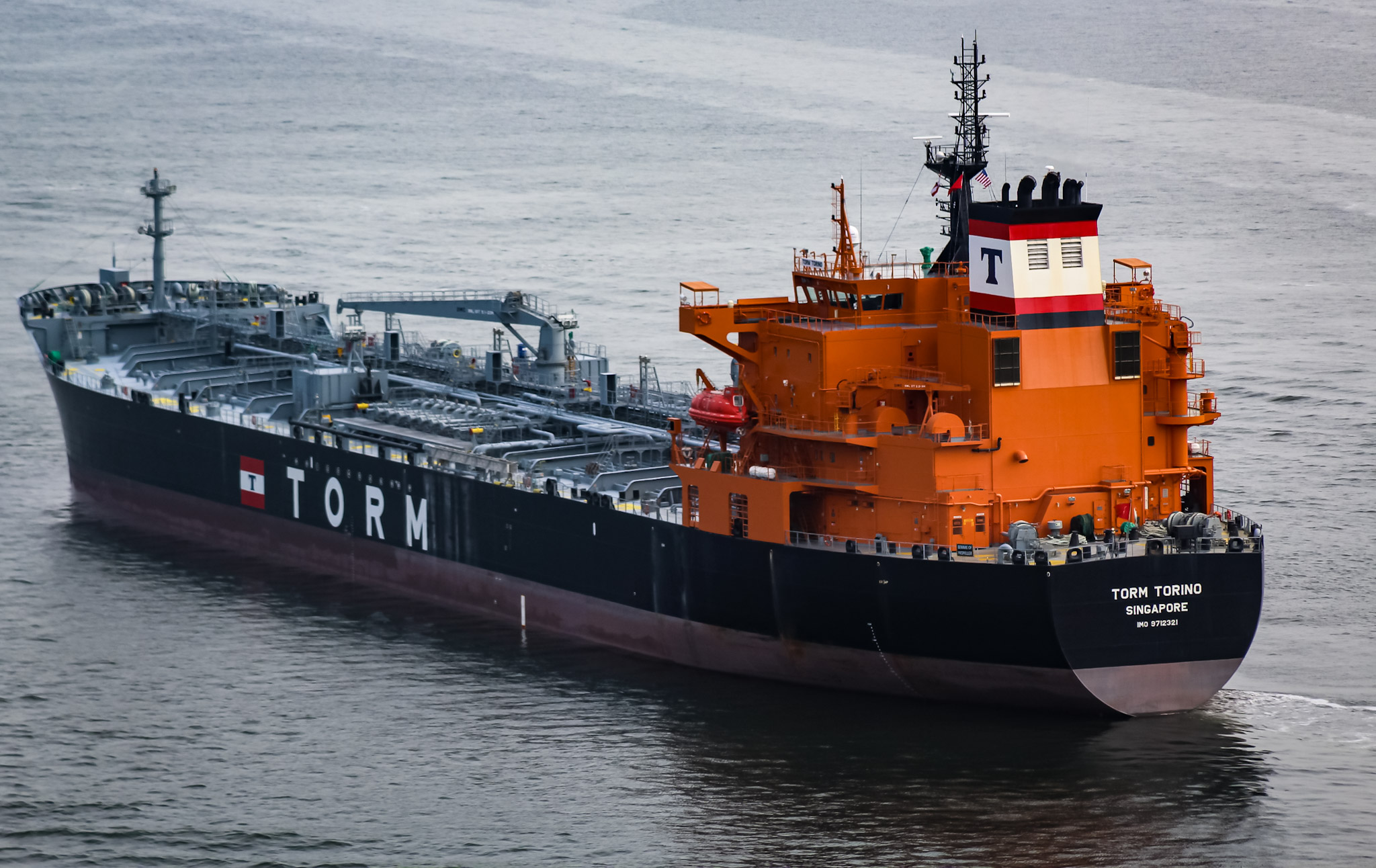
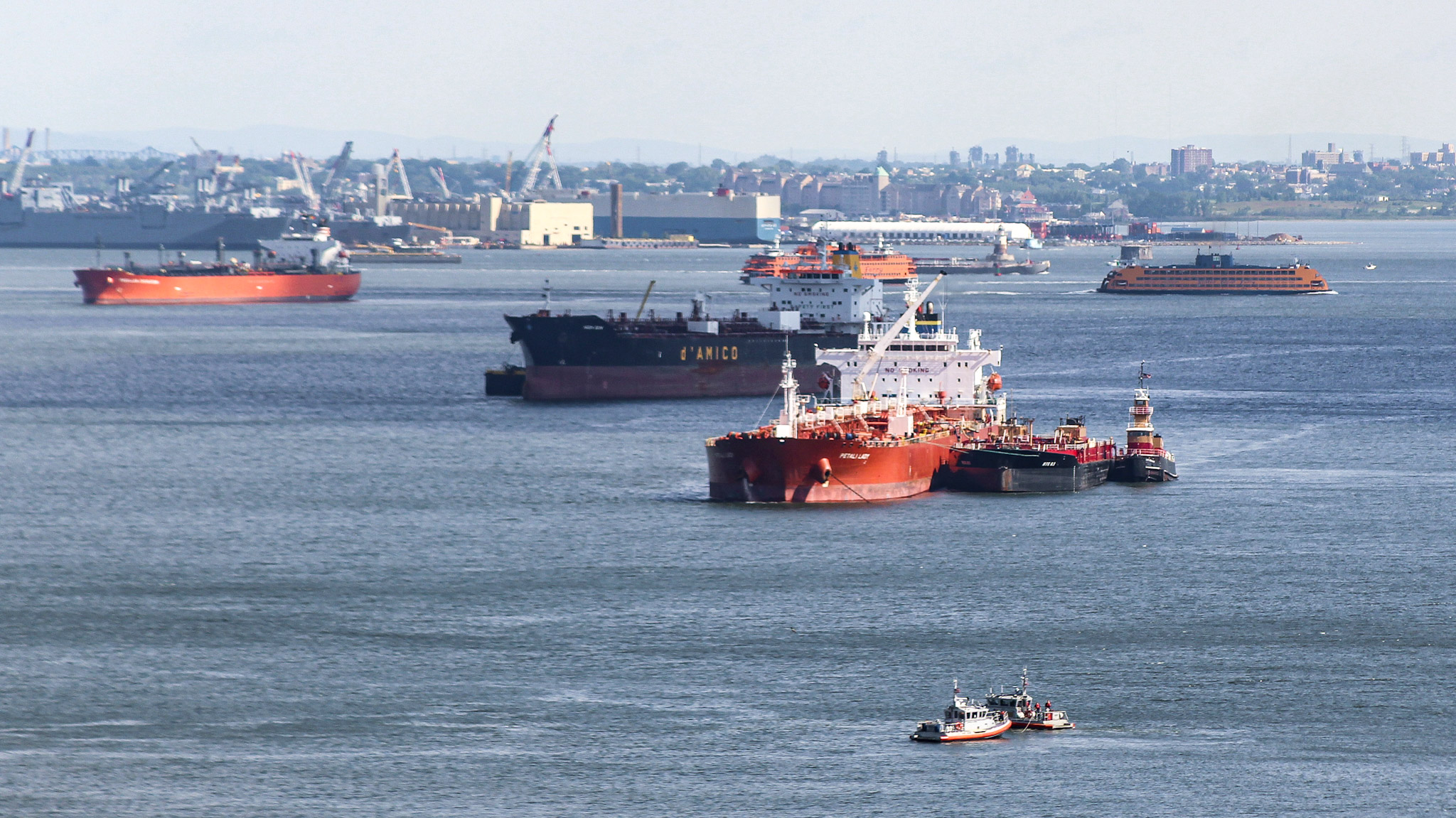
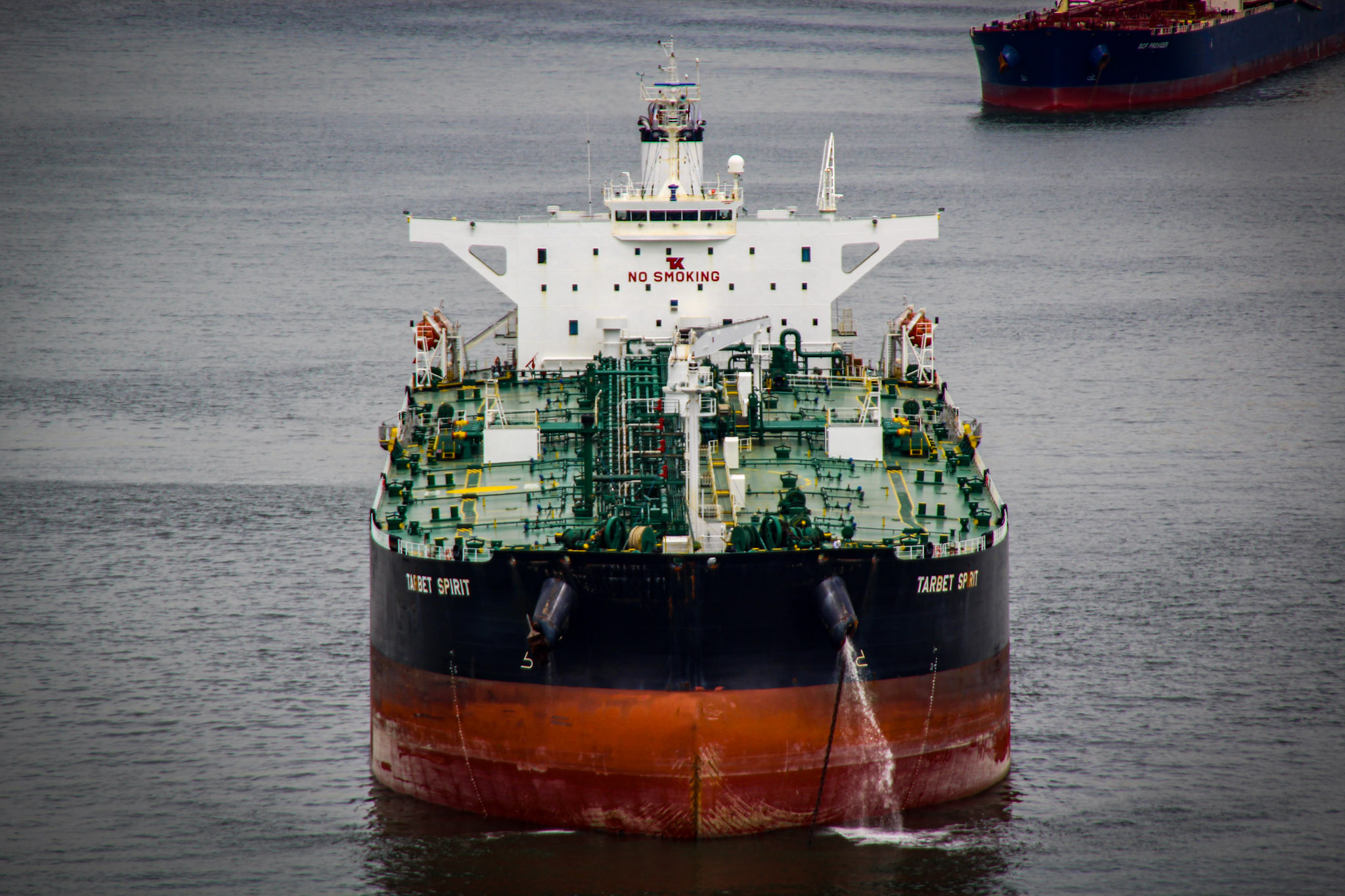
America is running a wartime economy whether you like it or not and domestic political theater isn't built to absorb that cost. Headlines right now are scattered, pulling you in different directions, but they're all just telling you one story. This tanker is carrying the cost of a war 7,000 miles away and it's already docking at your front door.

IMG_8043.jpg

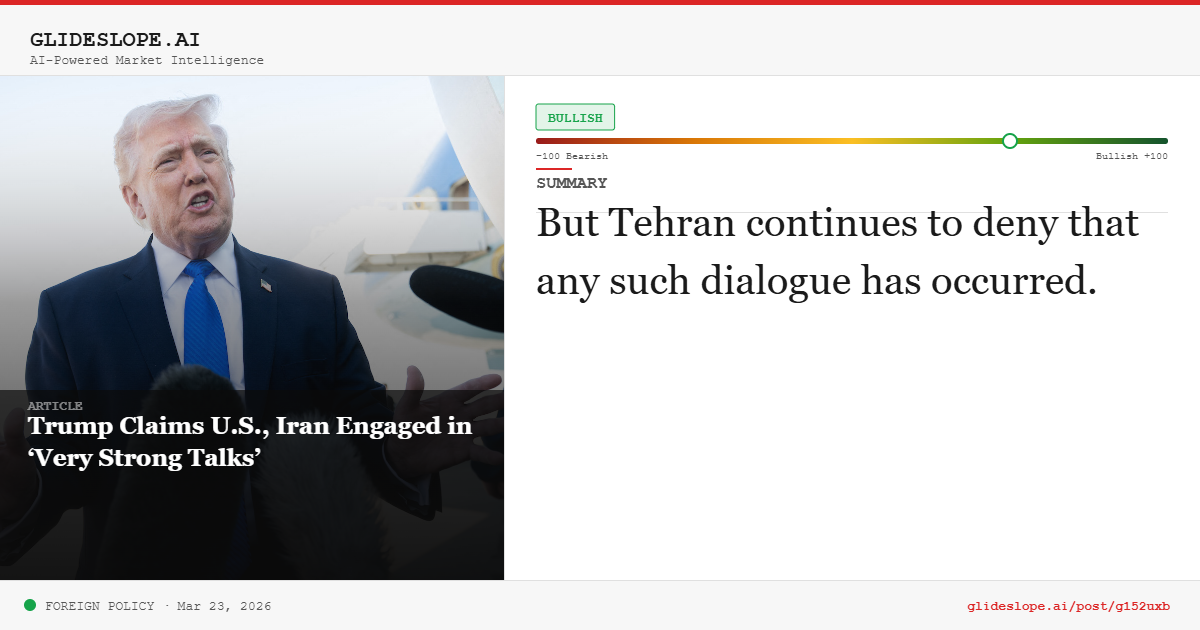
Trump says negotiations are ongoing while Iran publicly denies any talks are happening. The U.S. wants a package deal (end the war, reopen the Strait, lift sanctions, and get assurances on nuclear activity and missiles) all at once. Iran's counter-demand is essentially sovereignty over the Strait of Hormuz and war reparations. Those positions don't overlap. This isn't close to done.

gs-snap-banner-g152uxb.png

That unresolved war feeds directly into the Fed's paralysis. Oil prices are up more than 40% in March alone, which has locked the Fed into wait-and-see mode. They've revised their inflation outlook to 2.7% PCE, and the dot plot now shows one cut this year at most, down from two or three that were expected before the conflict. The Fed can't cut into an energy shock. That's just simple math.

PCETRIM1M158SFRBDAL_fraywire (1).png

Now stack the affordability crisis on top. Rates stay high, housing stays frozen, energy costs are rising, and the consumers who were already stretched are getting squeezed from both ends. This is where the midterm math starts to collapse for Republicans. The economy looks fine on paper with GDP at 2.4%, unemployment stable, but the lived experience for most households is the opposite of fine.

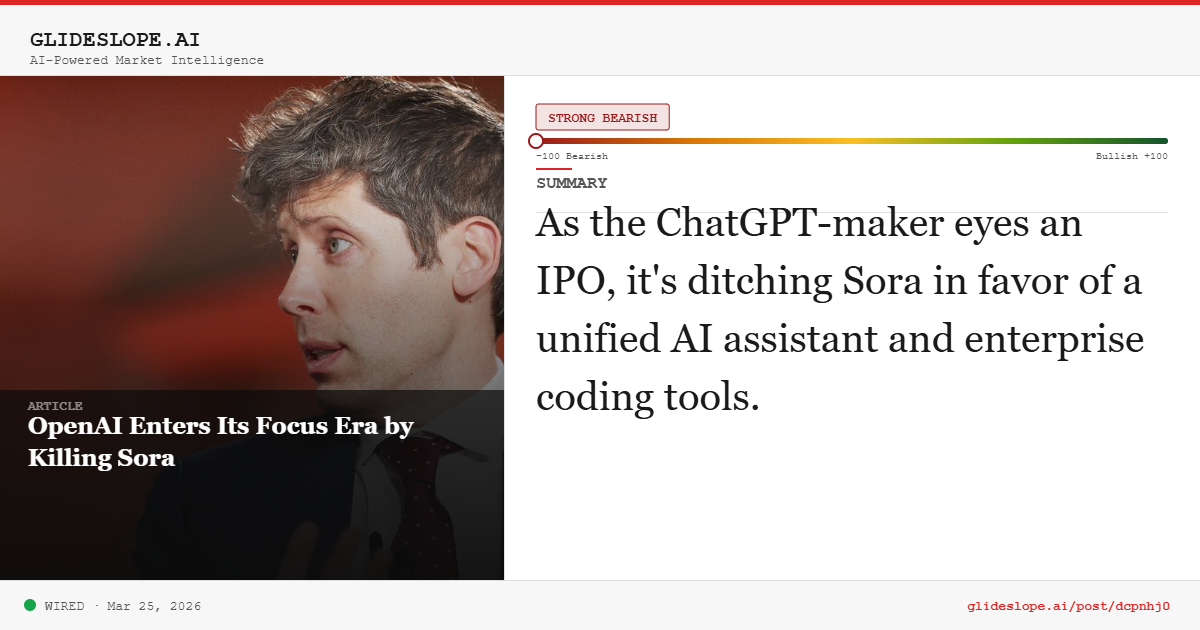
OpenAI just won a $200M DoD contract and scrapped Sora in the same month. Defense and infrastructure spending is where the money is going. Commercial AI is getting starved of capital and attention because the government is the only customer with deep enough pockets right now to justify the infrastructure cost in an uncertain rate environment.

gs-snap-banner-dcpnhj0.png

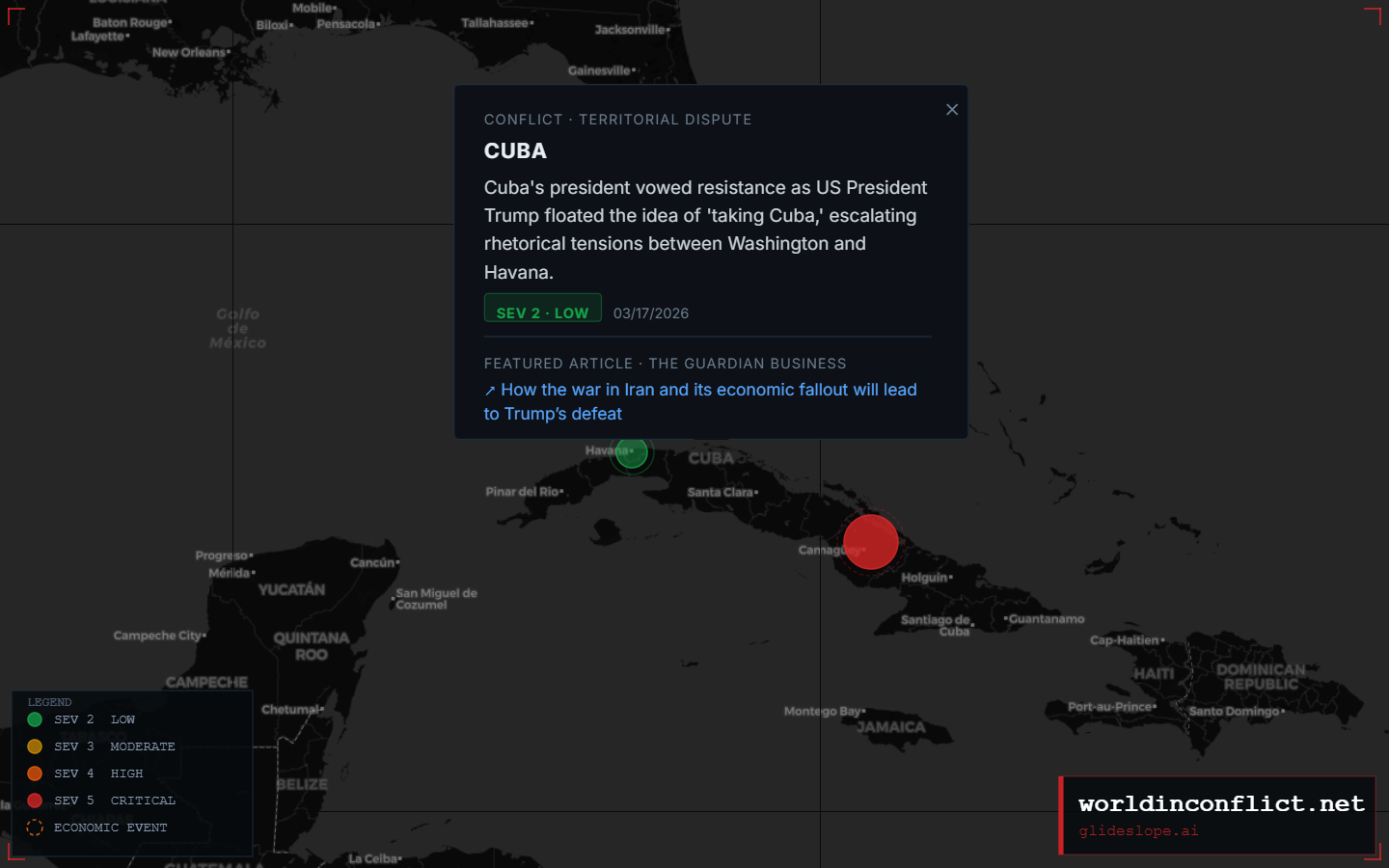
Cuba is the outlier that actually fits the pattern. If the Iran campaign succeeds and Trump needs a follow-on foreign policy win heading into midterms, Cuba is a short-distance, high-symbolism target with bipartisan support in Florida. It's the political dessert course after the main meal.

wic-snap-2026-03-25T19-56-07.png

You're watching the American economy bifurcate in real time. The public sector and defense industrial base are expanding. The consumer economy is contracting under energy costs, frozen credit, and war uncertainty. The Fed can't fix the second problem without ignoring the first. That split is what the midterms are going to be fought over. Keep following this story at https://www.breakingmetrics.com

Breaking Metrics — Real Economy Intelligence
Independent intelligence covering industry, construction, manufacturing, and energy. Newsletter, market tools, and data platforms.
www.breakingmetrics.com

AI isn't the internet. ai Mar 24, 2026
BM
@breakingmetrics
Mar 24, 2026 · 8:49 PM
ai ★ Featured

AI isn't the internet. It's not going to be for everyone. What we're watching right now is an industry figuring out what it actually is. The consumer market is nice to have. Department of War discretionary money is even better.

16032.jpg

OpenAI raised $120 billion and killed a consumer product in the same week. The company matured and realized where the real money is. Palantir and Anduril already proved it. There is enormous demand for autonomous systems, battlefield AI, and drone intelligence at the Department of War level. Public agencies have deep pockets, long contracts, and no price sensitivity.

16035.png

Every major AI company is going to be chasing some version of that contract over the next two years. The consumer subscription stays, same reason HD Supply or Grainger still sells to the occasional homeowner. But that's not the business. The business is the GC account tied to a $500 million public contract. Anyone valuing these companies on subscriber counts is reading the wrong line item. I discuss industry, materials, energy, and more: https://www.breakingmetrics.com

Breaking Metrics — Real Economy Intelligence
Independent intelligence covering industry, construction, manufacturing, and energy. Newsletter, market tools, and data platforms.
www.breakingmetrics.com

The money's right here. economics Mar 24, 2026
BM
@breakingmetrics
Mar 24, 2026 · 6:33 PM
economics ★ Featured

The money's right here. Don't let them fool you. You're all looking at the Middle East like it's bait while big money is working the switch behind the scenes. There's a rotation happening in the economy (again). Here's where money's moving:

P9296055.jpg

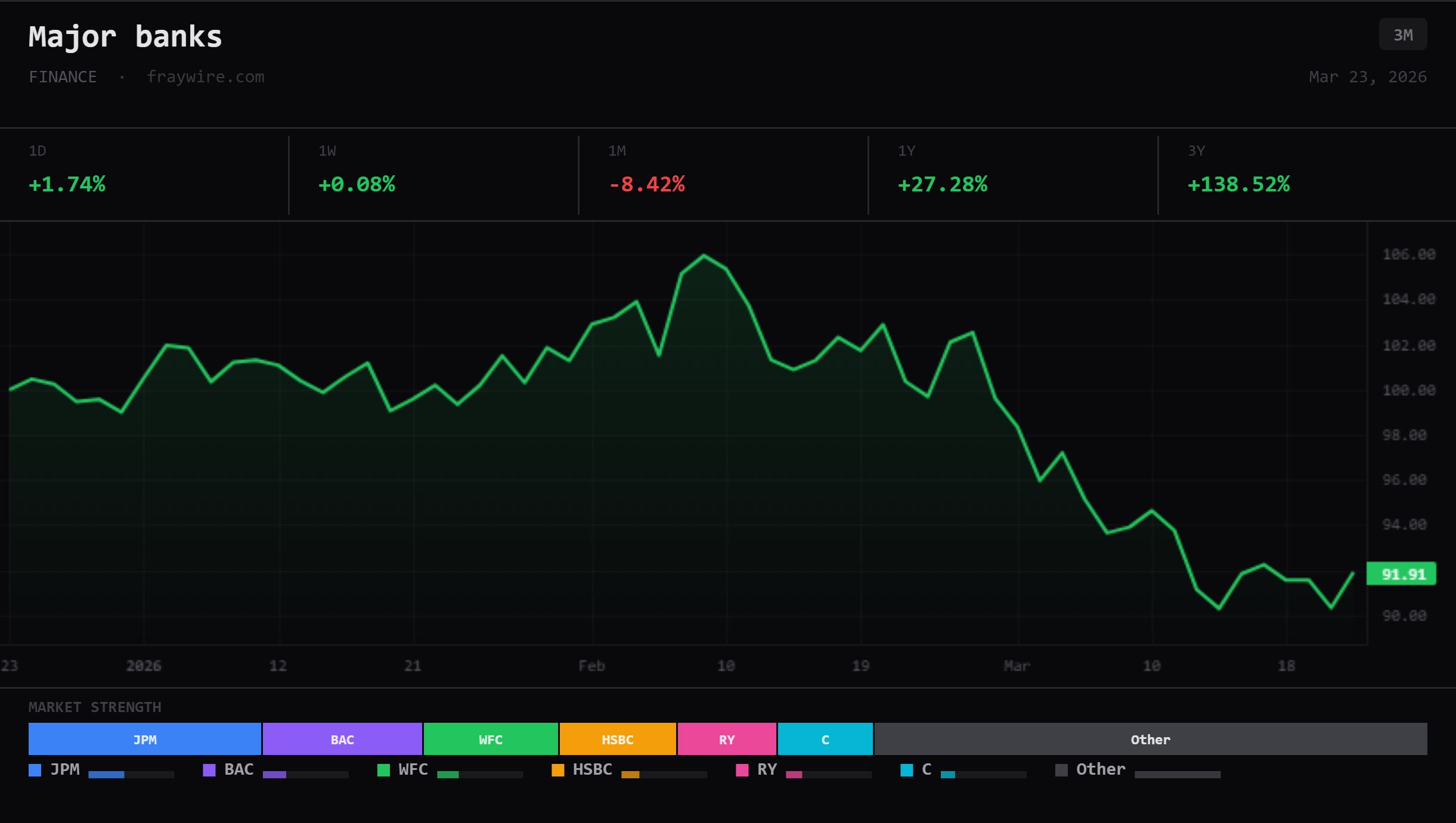
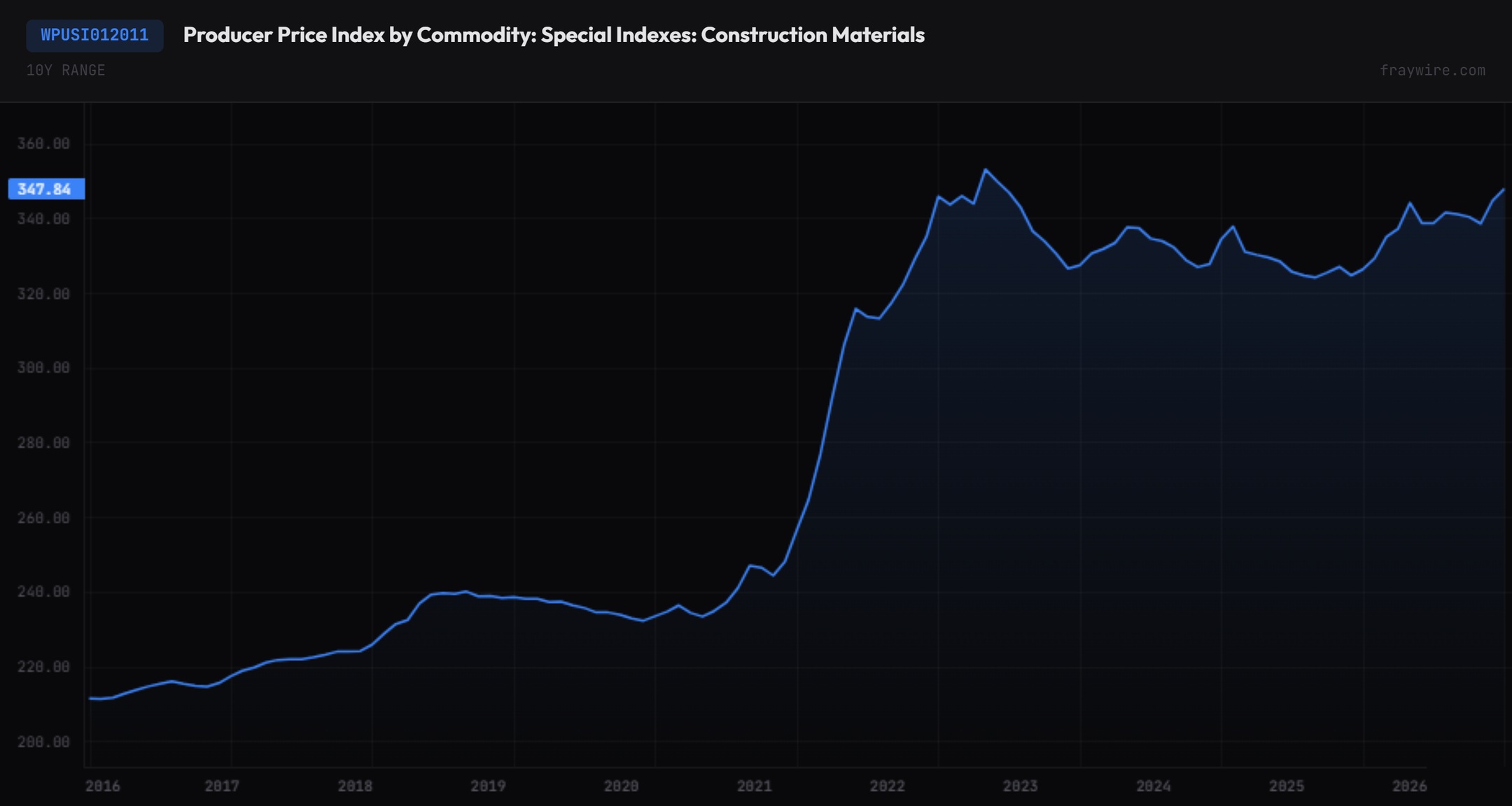
War economies run best on steel, concrete, pipelines, harbors, and railways. The Pentagon doesn't need another SaaS platform, but it does need AI to help guide its missiles. And those missiles need infrastructure to build, store, and move them. Major banks are down 8% in the last month. WTI is up 70% since January.

Major_banks_industry_fraywire.png

I manage 9-figure public infrastructure contracts in New York/ New Jersey. The jobs aren't going cheap. Change orders keep coming in and new work keeps getting added to the roster. Public contracts are where the money is flowing and that's exactly where it was flowing when the OpenAI and Anthropic DoW contracts made headlines a month ago. Follow the public dollar.

IMG_0391.jpg

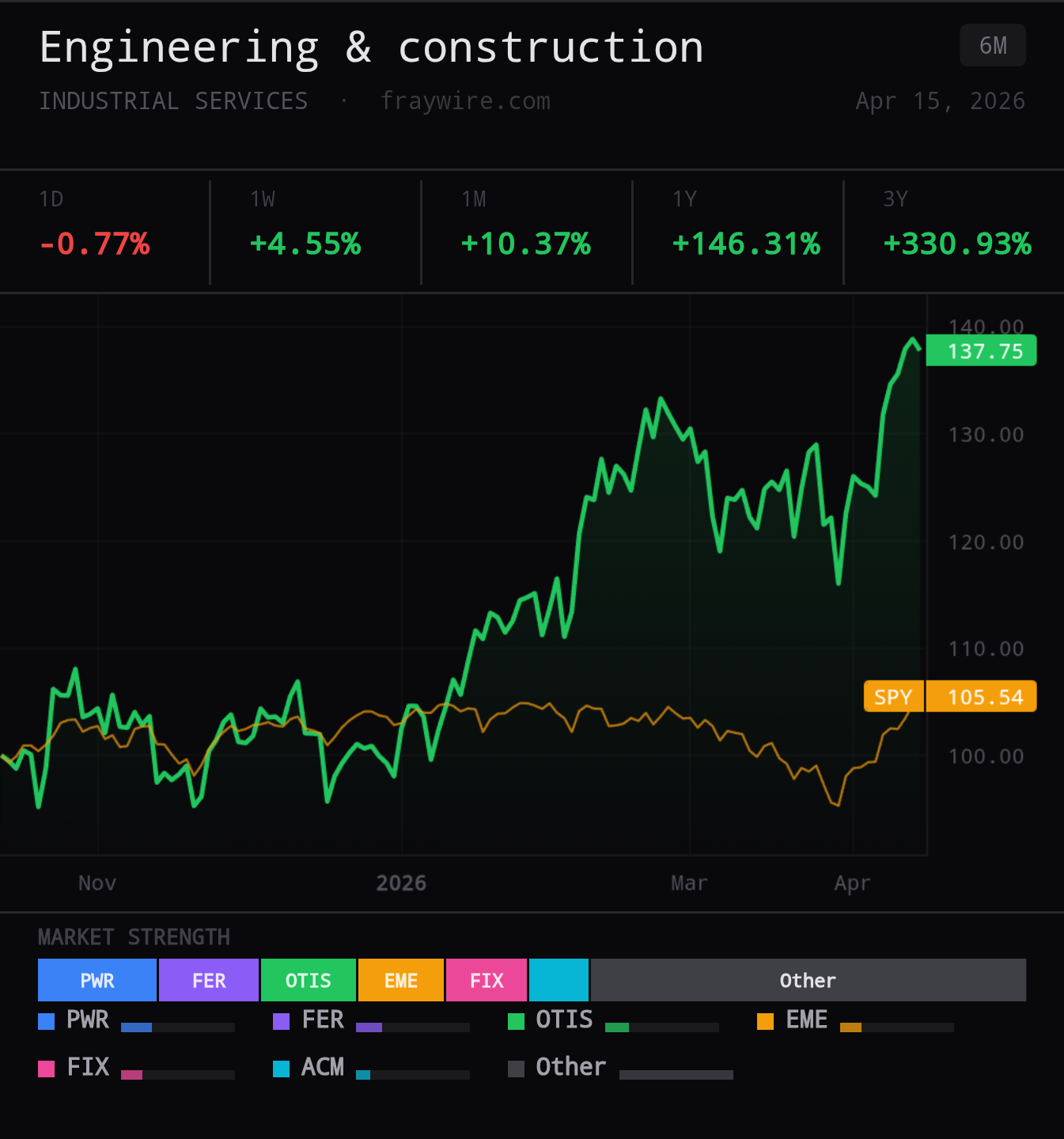
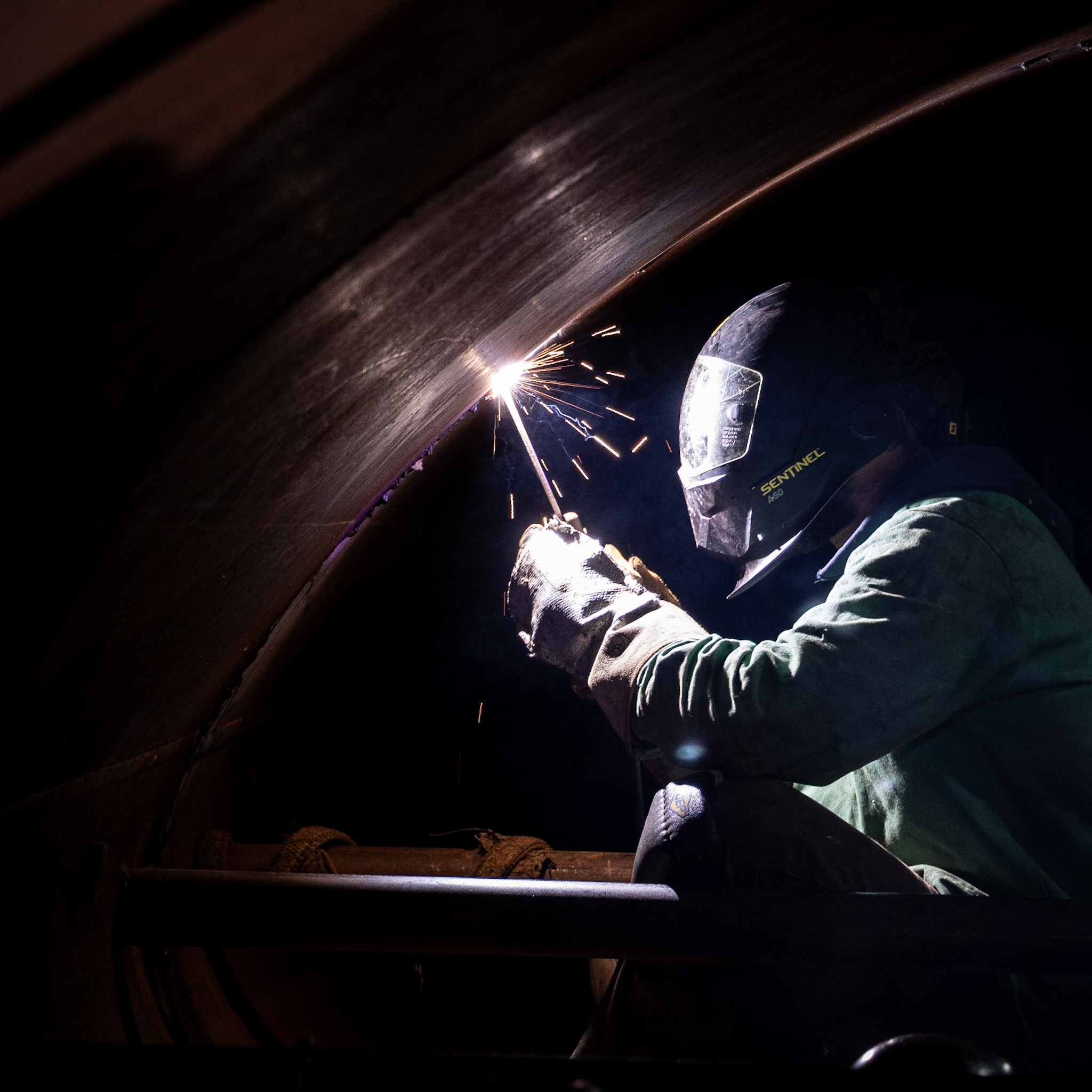
Two moves worth thinking about. Smart money is moving to firms that live on government work: TPC, Granite, General Dynamics. For labor, it's time to learn a trade. Pick up a union book. Learn to weld. Learn pipefitting. The rotation is already happening: https://www.breakingmetrics.com

Breaking Metrics — Real Economy Intelligence
Independent intelligence covering industry, construction, manufacturing, and energy. Newsletter, market tools, and data platforms.
www.breakingmetrics.com

Economic Split economics Mar 24, 2026
BM
@breakingmetrics
Mar 24, 2026 · 7:14 AM
economics ★ Featured

Iran closed the Strait of Hormuz and the internet started watching tankers. That's a great distraction away from the people actually moving them. What looks like a supply disruption on its surface is actually a massive economic stress test. And the results are already in the data.

IMG_7595.jpg

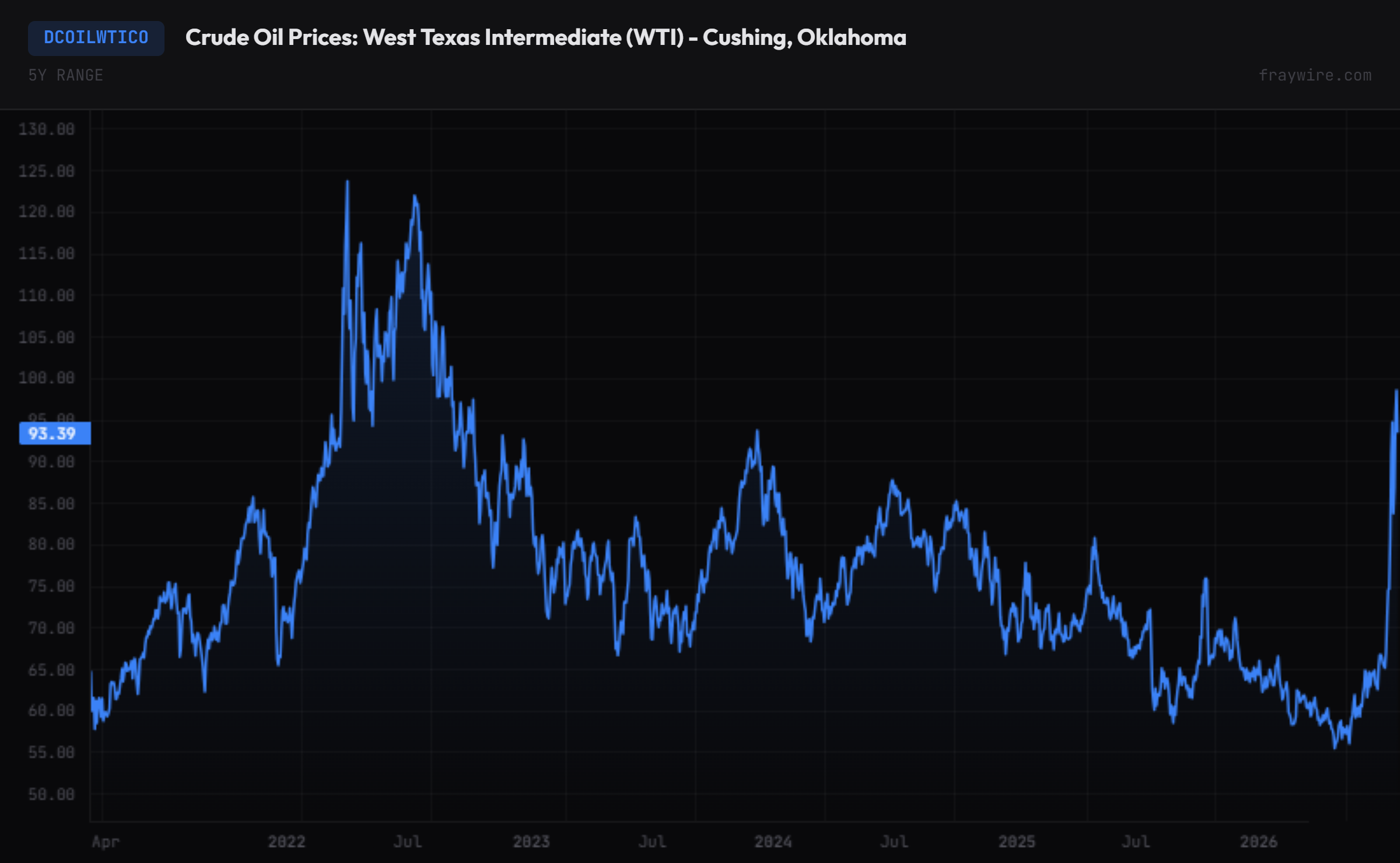
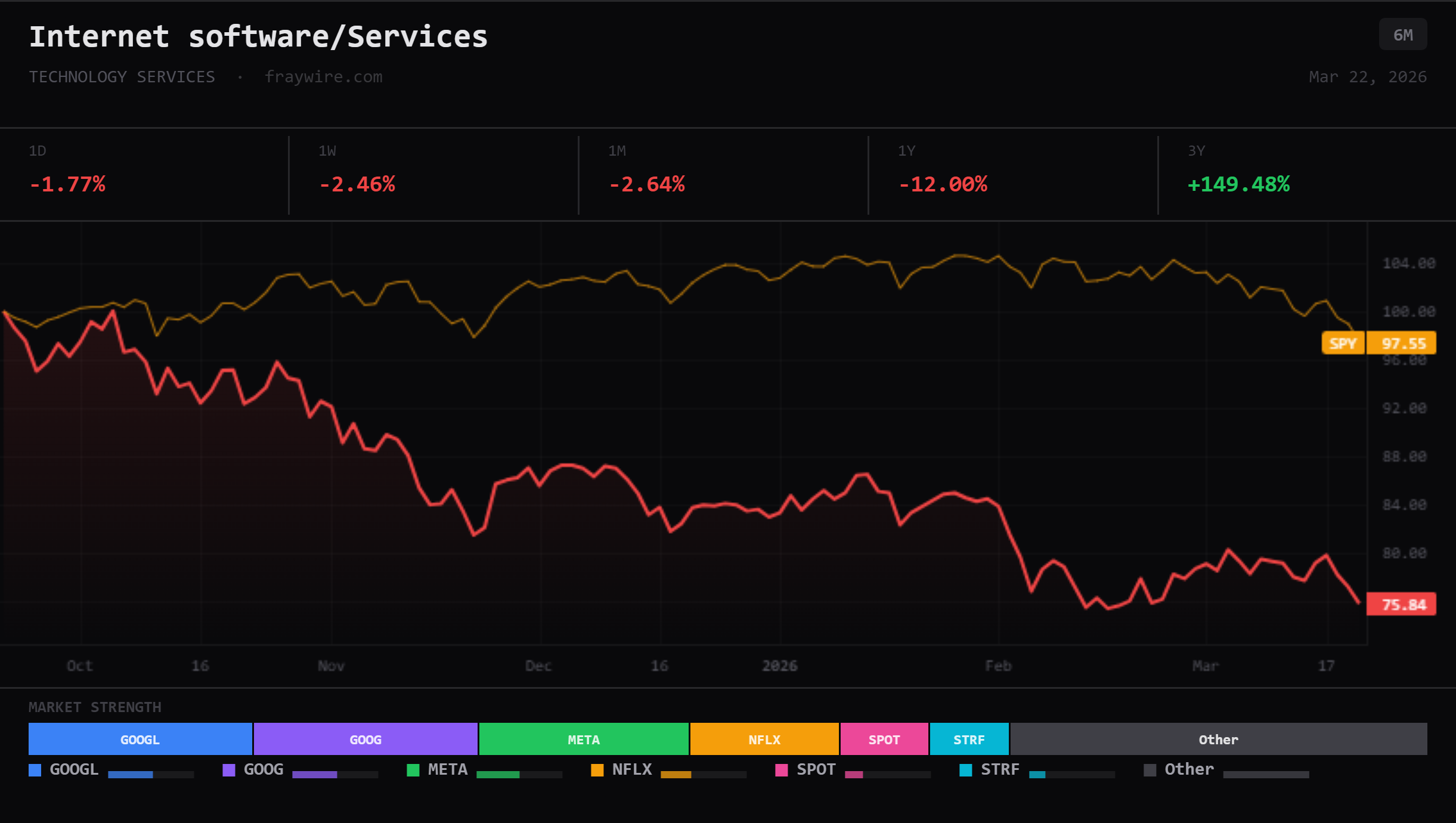
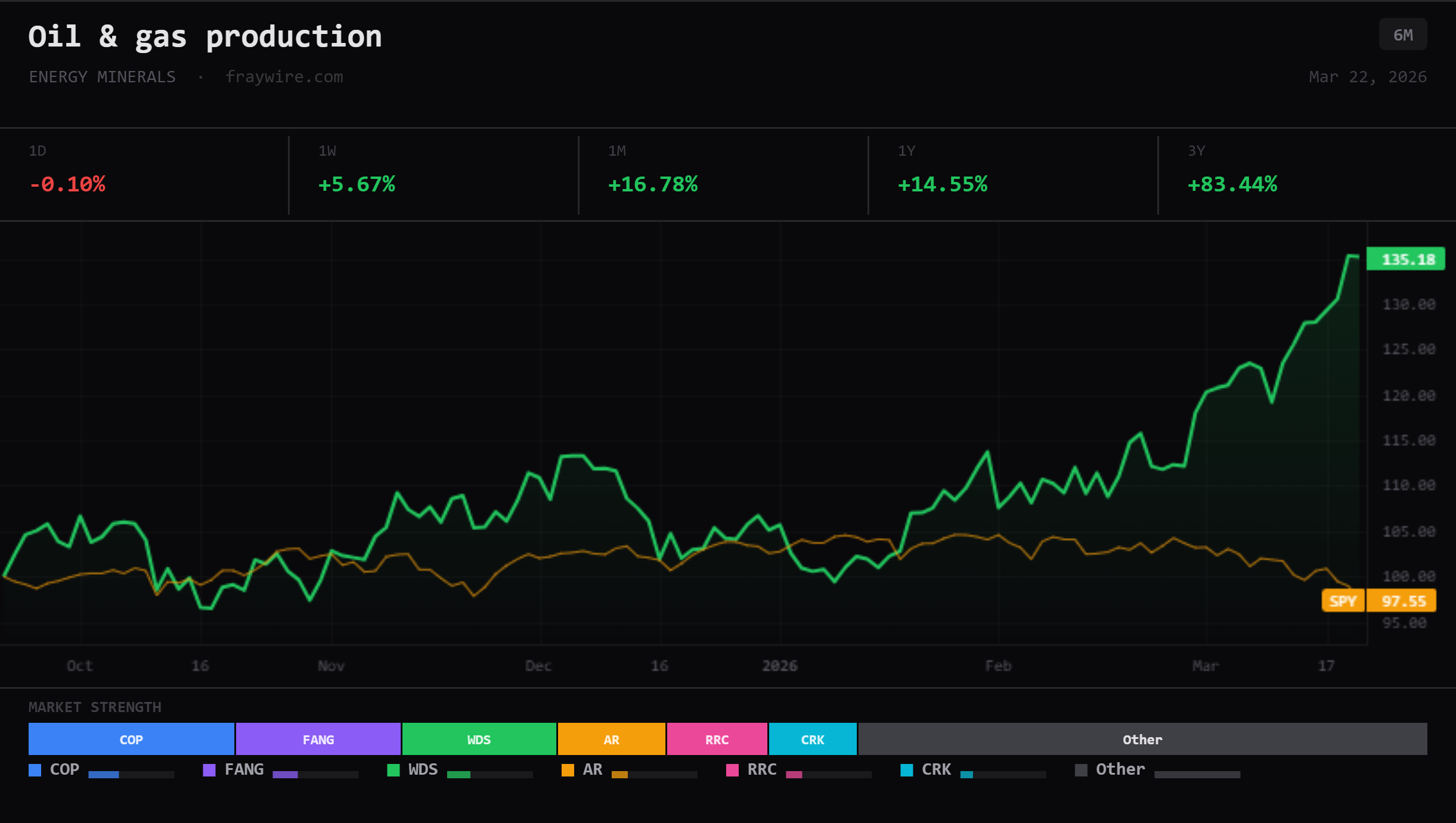
White collar money is moving to blue collar funds. Oil and gas production is up 17% in a month but internet software down 12% on the year. WTI went from $55 in January to ~$93 this month. What we're seeing is a rotational economy moving away from tech and into the real economy. This is what Breaking Metrics tracks weekly: https://www.breakingmetrics.com

Breaking Metrics — Real Economy Intelligence
Independent intelligence covering industry, construction, manufacturing, and energy. Newsletter, market tools, and data platforms.
www.breakingmetrics.com

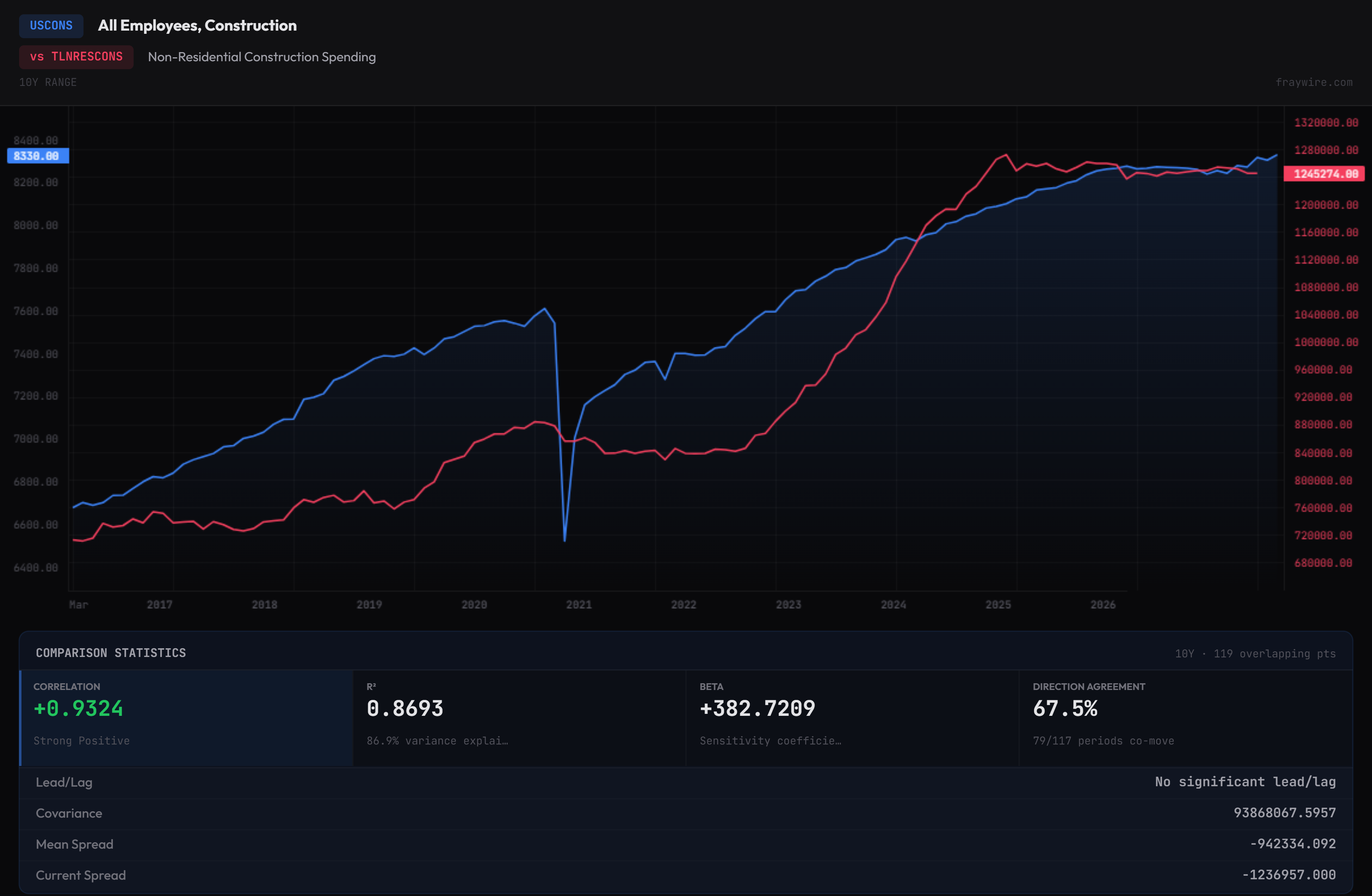
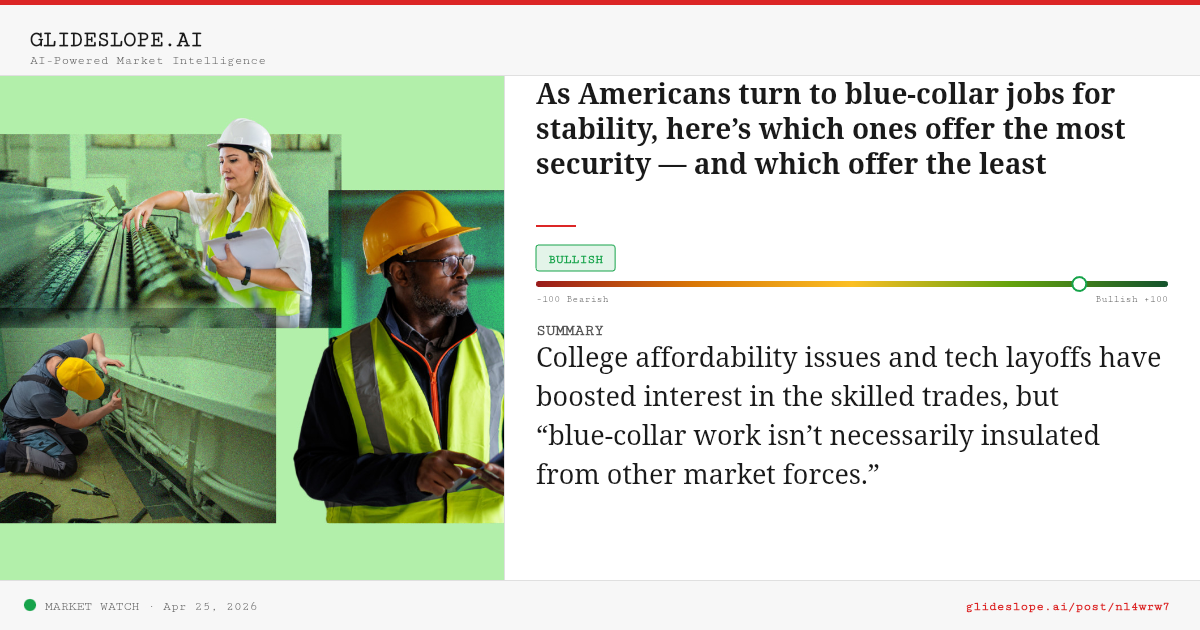
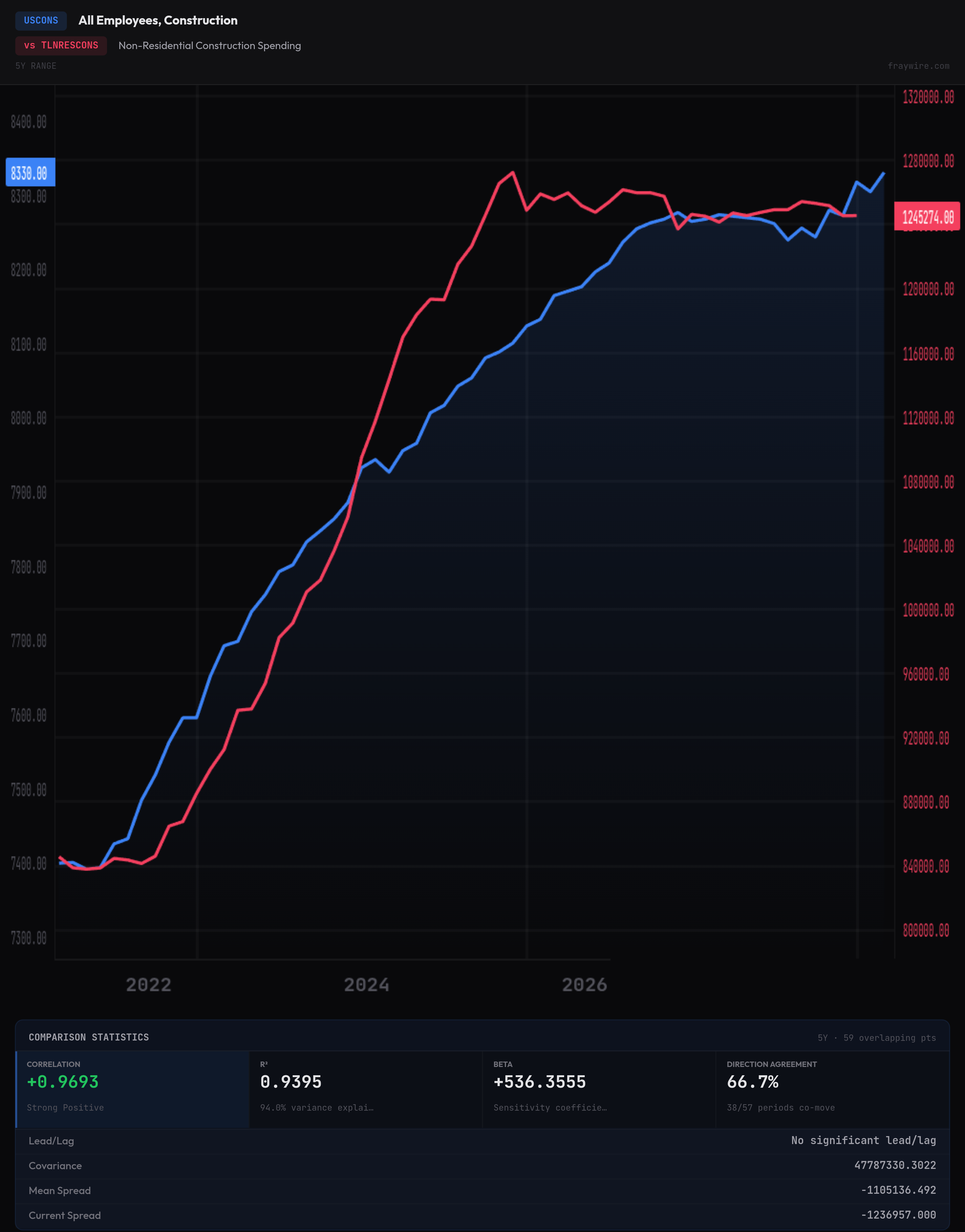
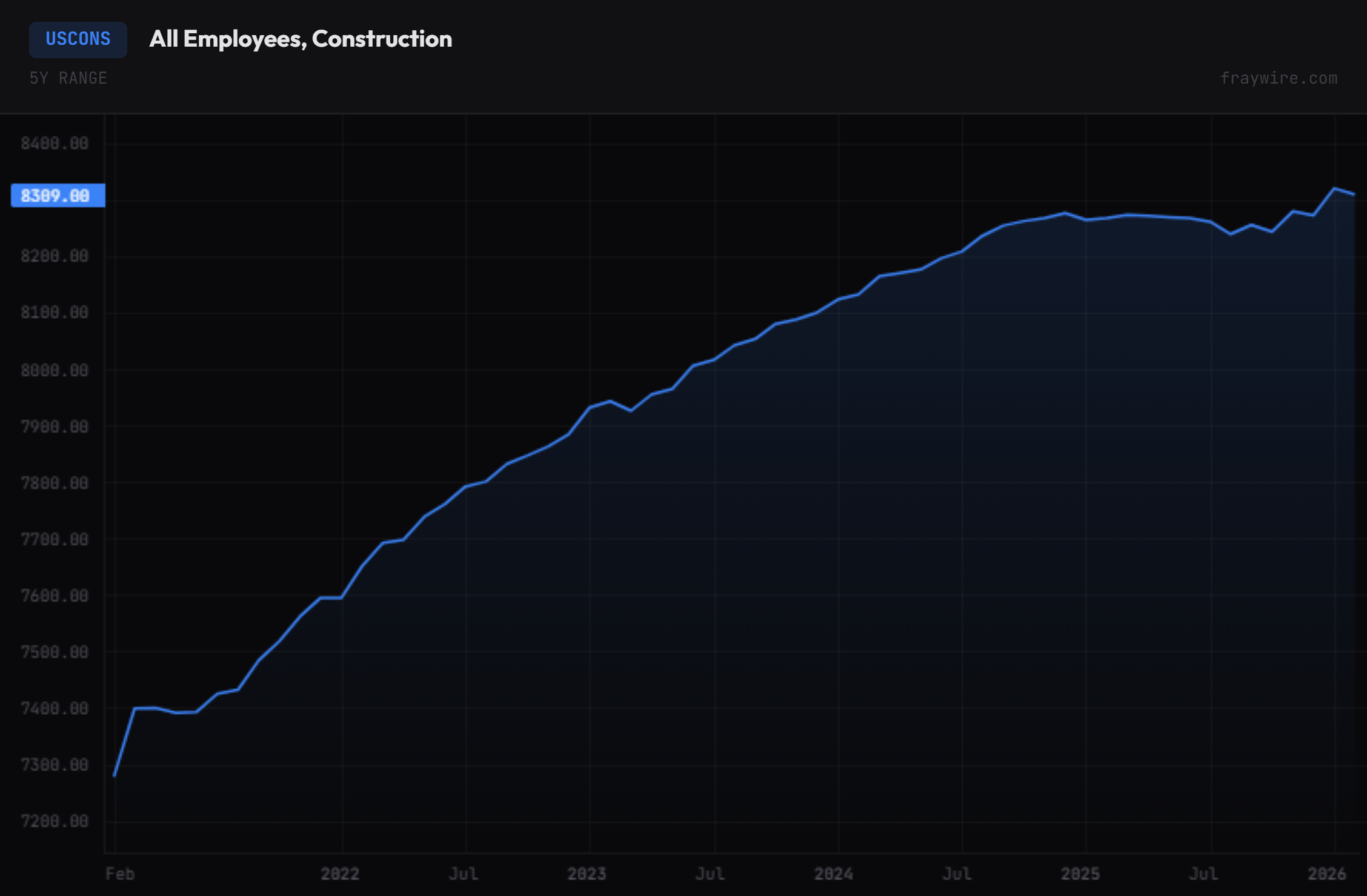
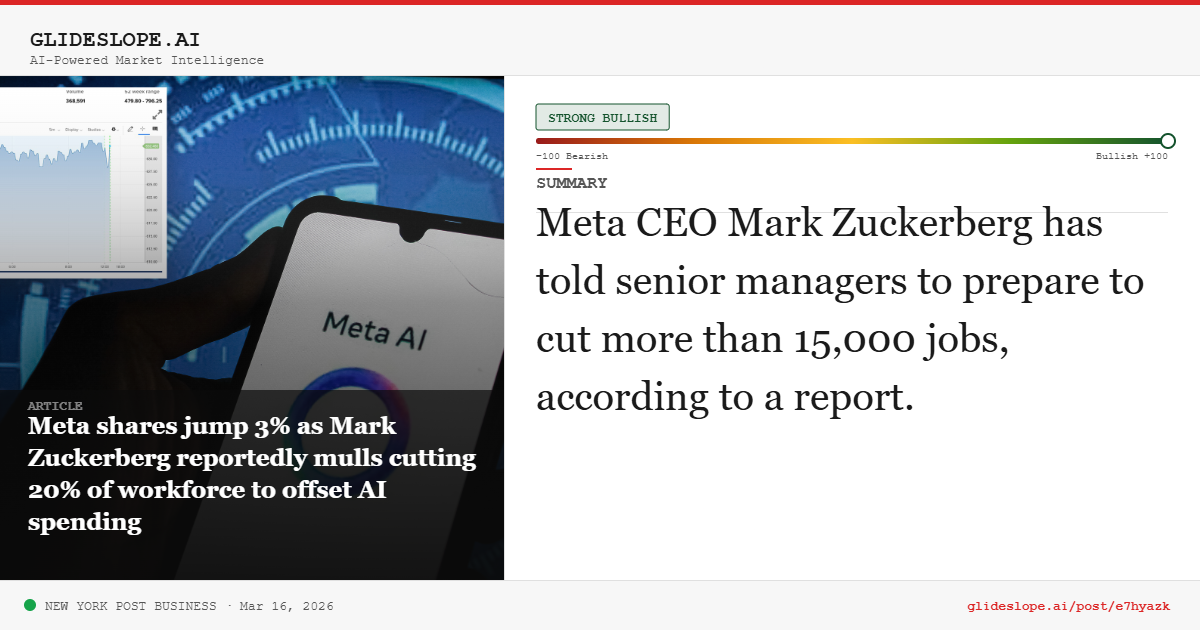
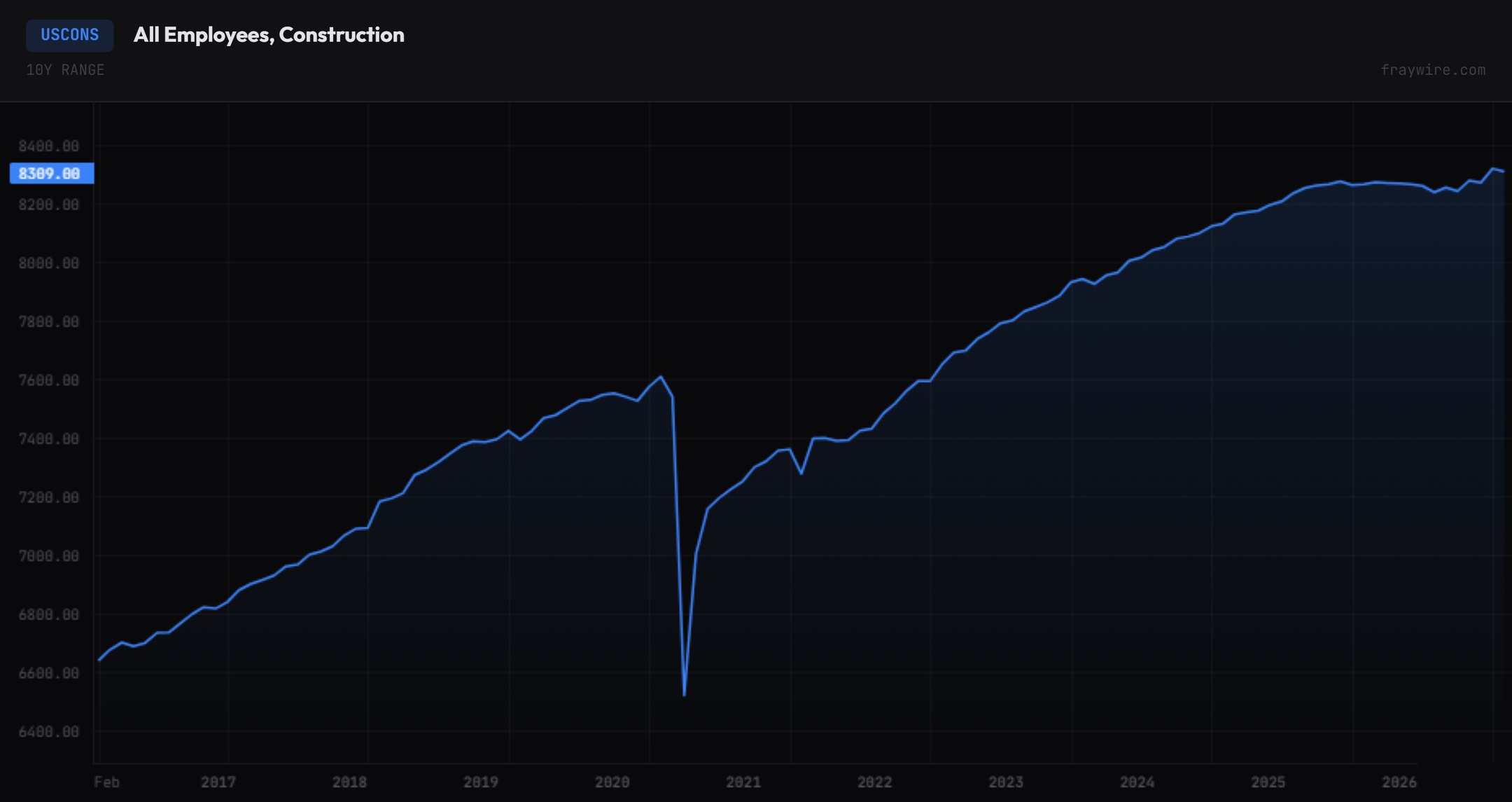
Defense contractors, infrastructure workers, and pipefitters. Their costs pass to someone with deep pockets and no choice but to pay. Price goes up, the bid goes up with it. The knowledge economy has no such mechanism. Construction employment just hit an all-time high of 8,389,000 while tech is on its third round of cuts. https://glideslope.ai/post/e7hyazk

USCONS_fraywire.png
gs-snap-banner-e7hyazk.png
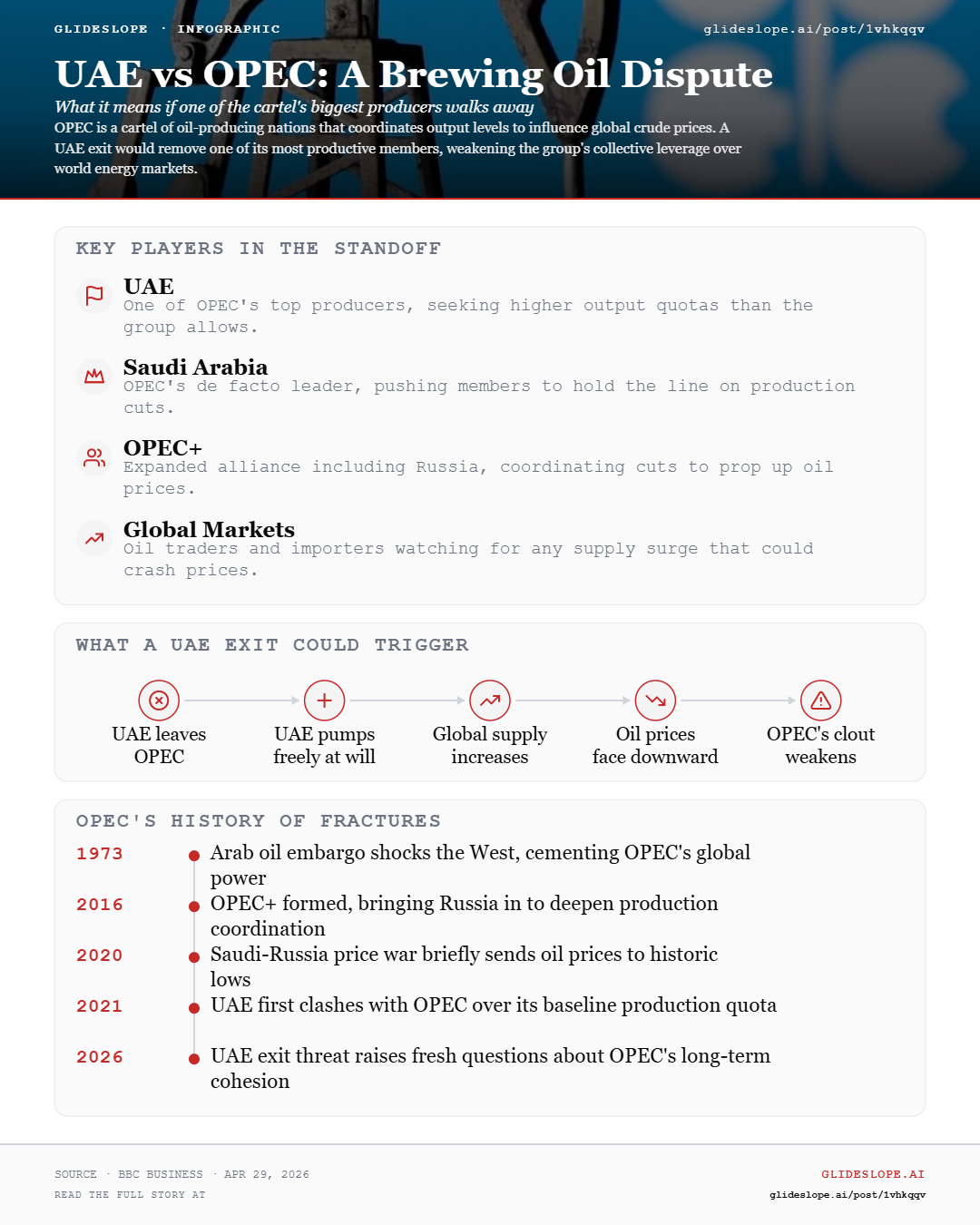
Meta shares jump 3% as Mark Zuckerberg reportedly mulls cutting 20% of workforce to offset AI spending
Meta CEO Mark Zuckerberg has told senior managers to prepare to cut more than 15,000 jobs, according to a report.
glideslope.ai

Three forces repriced the same advice simultaneously: energy scarcity, AI, and tariffs. The question isn't whether the rotation is real. It's whether you're positioned before the next leg.

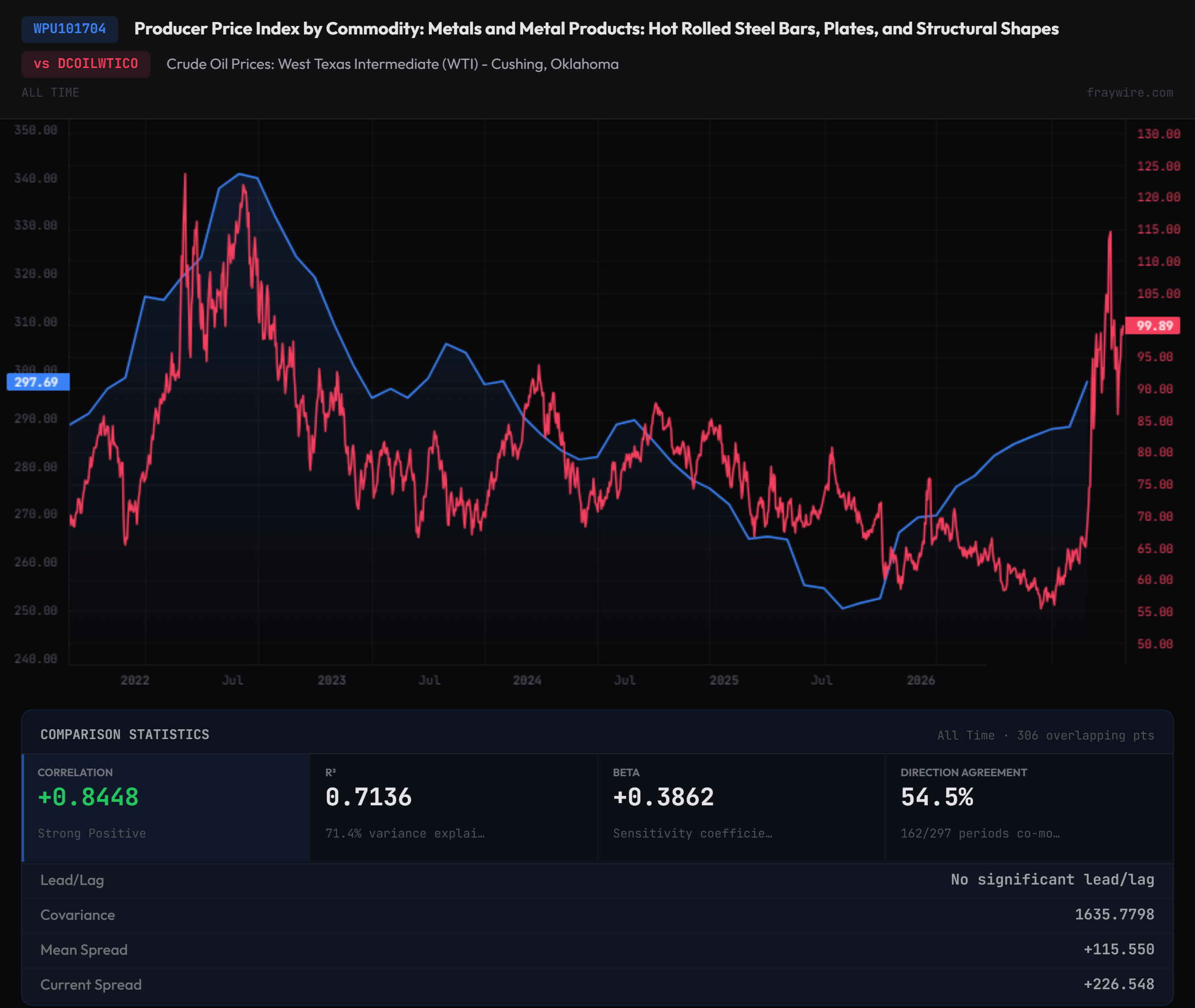
DCOILWTICO_fraywire.png
Internet_software_Services_industry_fraywire.png
Oil___gas_production_industry_fraywire.png

BM
@breakingmetrics
Mar 23, 2026 · 9:42 PM
iran

Iran closed the Strait of Hormuz and hit Yanbu in the same week. Everyone's asking who wins this war. In my line of work, when a dispute gets this far, the only question that matters is who has the leverage to walk away from the table. The answer might surprise you.

2-IMG_8162.jpg

Everyone thinks the US has no exit strategy. Iran thinks the same thing. But look at what's actually happened in four weeks. No Iranian Navy. No ballistic missile "stockpile". IRGC leadership systematically removed. The Ayatollah's successor nowhere to be found. That's hardly a negotiating position. It looks more like desperation wearing a uniform.

Meanwhile Iran is choking on its own strategy. Tanker volume through Hormuz is a fraction of what it was. The countries they're still allowing through won't tolerate the extortion toll much longer. Their neighbors hate them more now than before this started. Every day this continues, the world accelerates its plans to route around Iran permanently. They haven't closed the Strait. They've made themselves irrelevant to it.

wic-snap-2026-03-23T19-14-38.png

Iran was better off a month ago than it is today. When you come to the table with nothing but cheap drones and desperation, you don't set the terms. The off-ramp gets built on someone else's timeline. If you want to know what that means for energy prices and your money before it becomes obvious to everyone else, that's exactly what Breaking Metrics publishes every week.

Breaking Metrics — Real Economy Intelligence
Independent intelligence covering industry, construction, manufacturing, and energy. Newsletter, market tools, and data platforms.
www.breakingmetrics.com

BM
@breakingmetrics
Mar 20, 2026 · 7:58 AM
pipelines ★ Featured

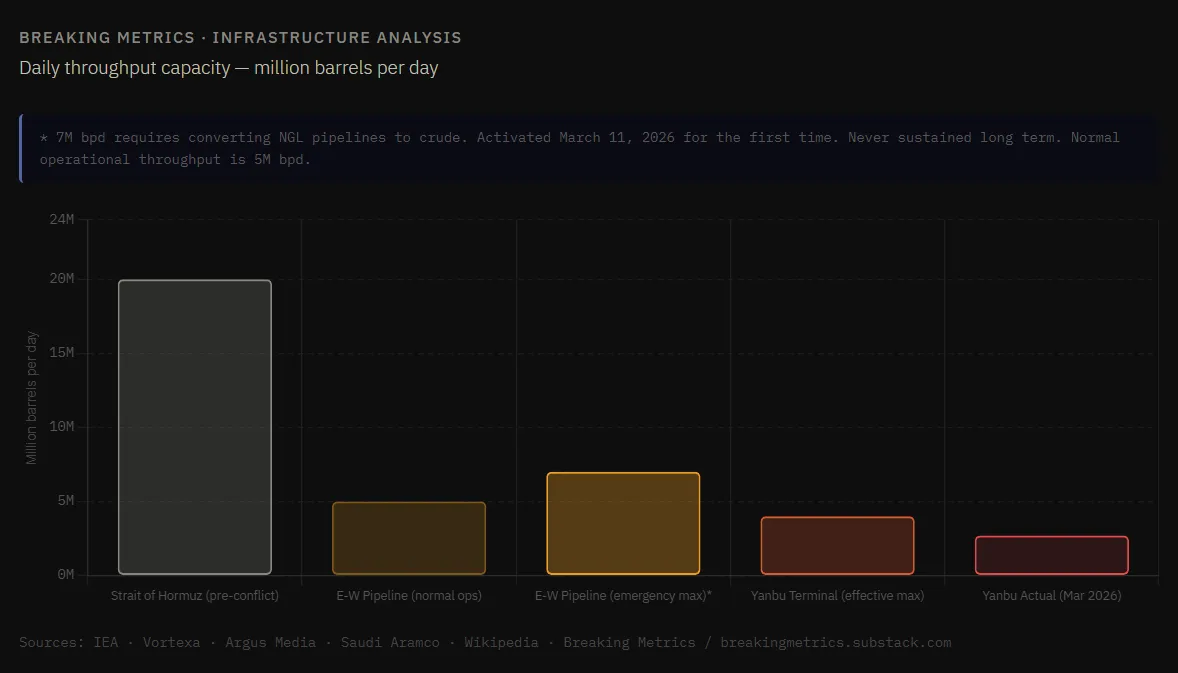
Everyone has been so focused on reopening the Strait of Hormuz that they forgot what's on the other side. The Saudi bypass pipeline was designed for 7 million barrels a day. The terminal at the other end wasn't built to match it. That gap is why $100 oil isn't a Hormuz problem. It's a construction problem. And it's solvable faster than anyone is saying.

post1_2.jpg

The market is pricing the pipeline number but pipeline isn't the bottleneck. 7 million barrels a day goes in to the harbor but only 3 million get to leave. That's the number that's moving oil prices and nobody is saying it out loud.

11d3dbc9-fda0-4ac2-bd47-2782f5df3fb5_1178x673.webp

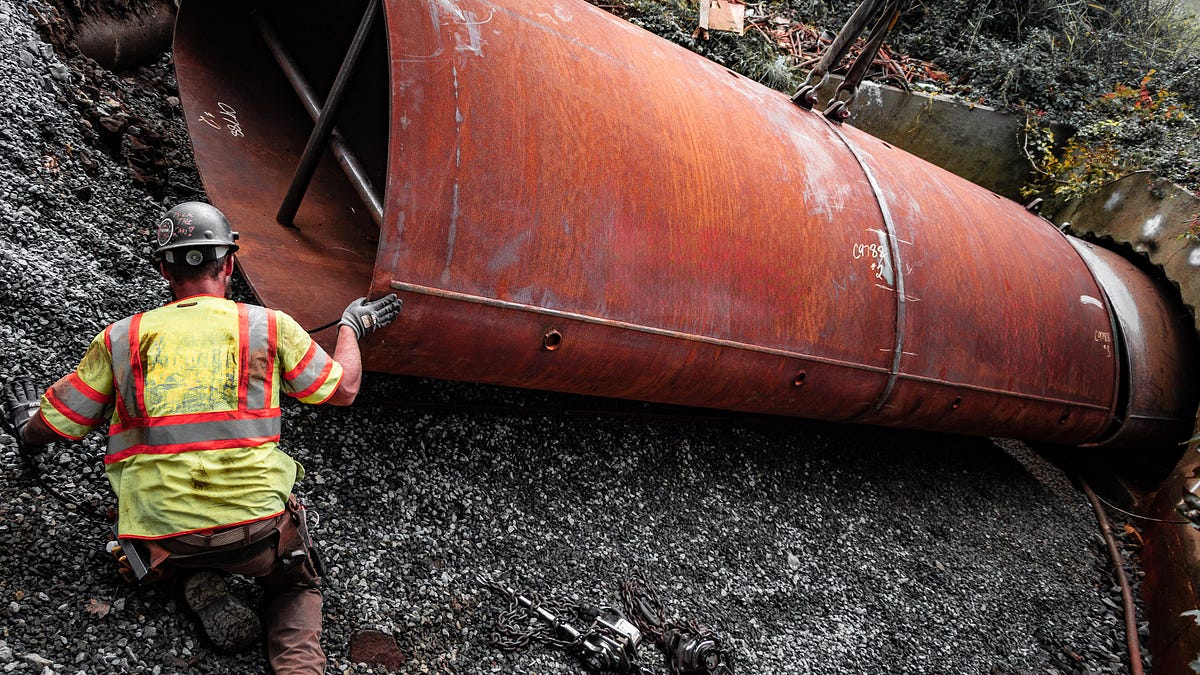
Most analysts are calling a full bypass solution a decade away. They're wrong. And they're wrong because not a single one of them has ever built anything. We rebuilt twenty city blocks of Metro rail infrastructure in New York City in three years. Live traffic. Union labor. Regulatory oversight at every stage. One of the most constrained construction environments in the world. A marine terminal expansion in the Saudi desert has none of those constraints.

be337408-64ec-4c25-b43b-5b0988c87fd9_2048x924.webp

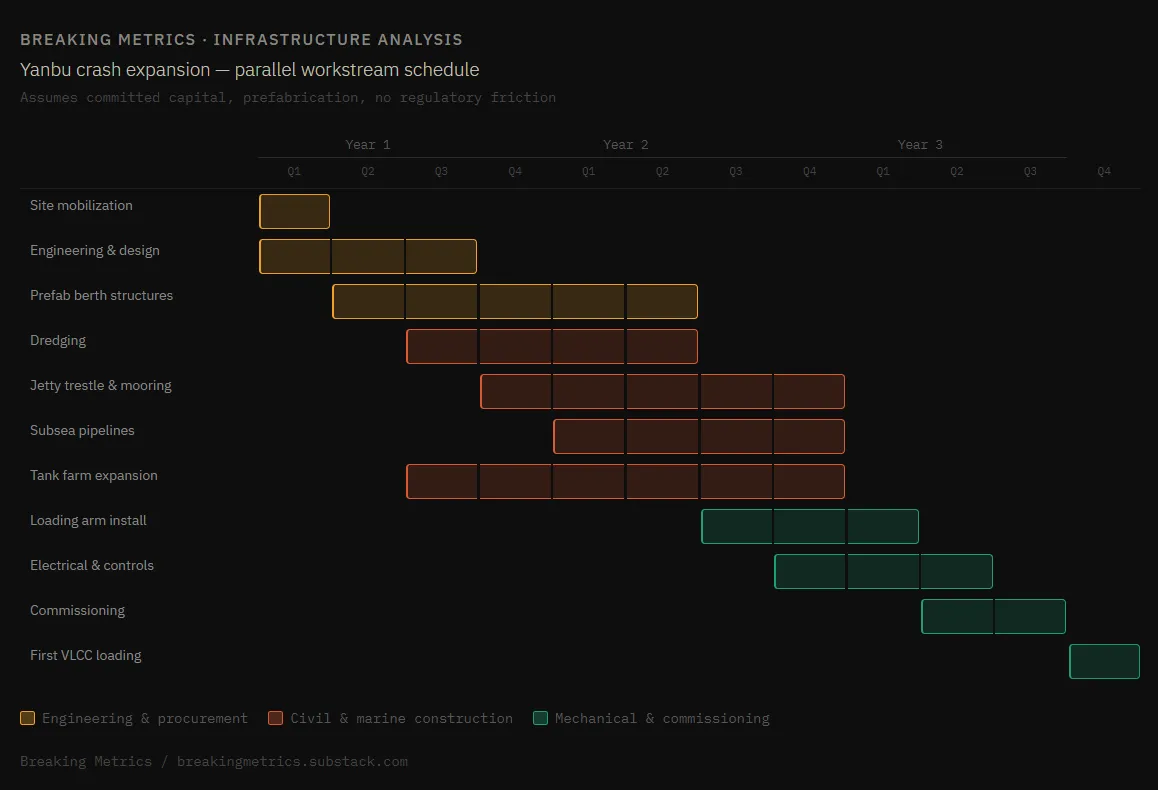
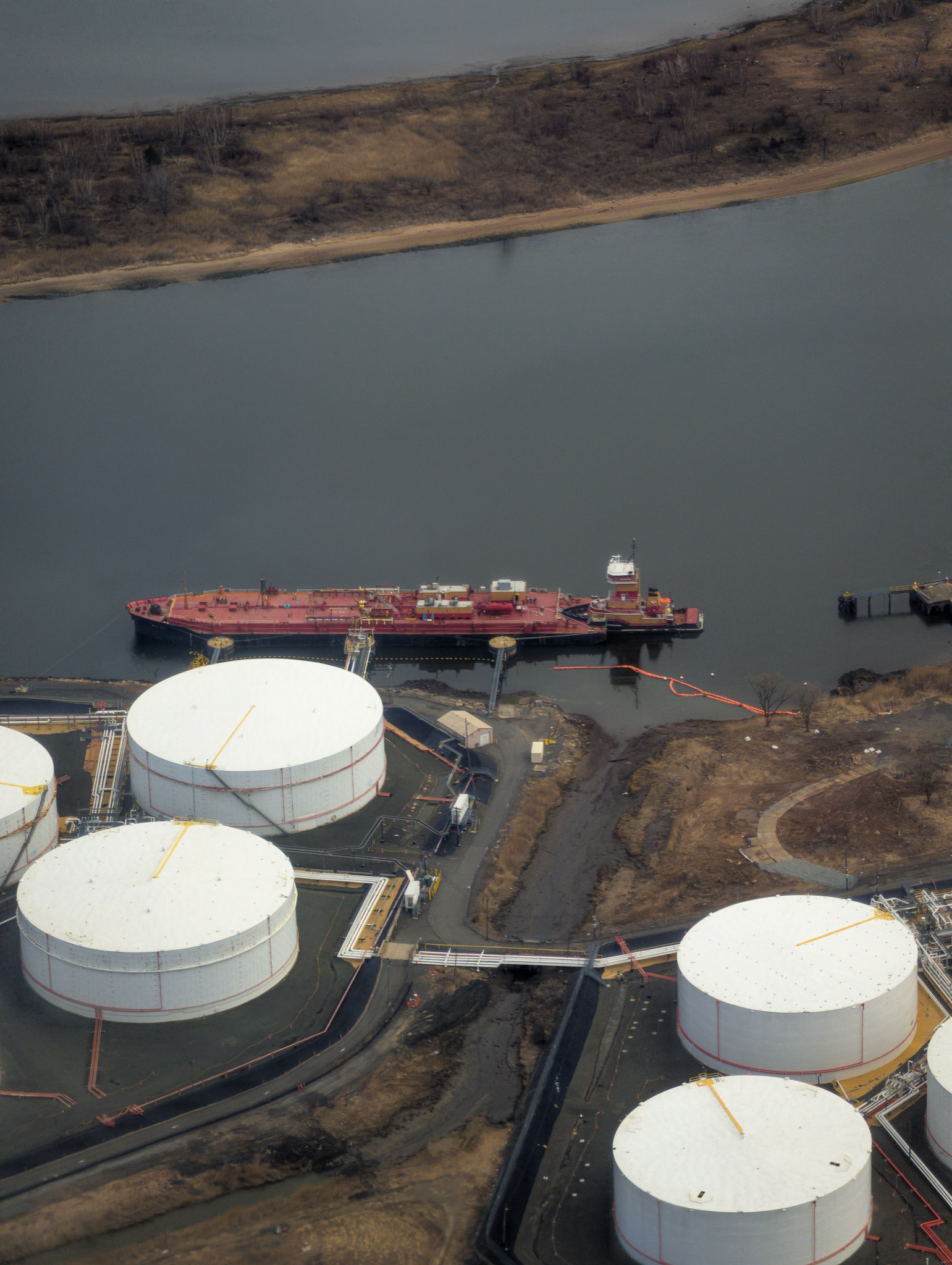
On a crash program with committed capital, meaningful Yanbu expansion is a 2 to 3 year program. Not a decade. Additional VLCC berths, expanded tank farm capacity, dredging; none of these things are experimental engineering. All of it can be prefabricated, modularized, and delivered in parallel workstreams. Every Gulf state has spent 40 years under the threat that Iran can close their only exit whenever it chooses. That threat is now being priced in real time at $100 a barrel.

8a07e450-577e-42b4-8804-fe630e74968d_1158x790.webp

Iran's real weapon isn't its missiles or its drones. It's the geography: 21 miles of water. The world had four decades to engineer around it. Every administration chose a carrier group over a construction project. The way you win this war isn't by escorting tankers through a kill box. You route around Iran and watch the leverage die. Read my full analysis here:

Spec Sheet Shitshow: Pipeline Capacities & Redundancies
Wartime problems have construction solutions.
breakingmetrics.substack.com

Oil Supply Chain oil Mar 19, 2026
BM
@breakingmetrics
Mar 19, 2026 · 8:00 AM
oil

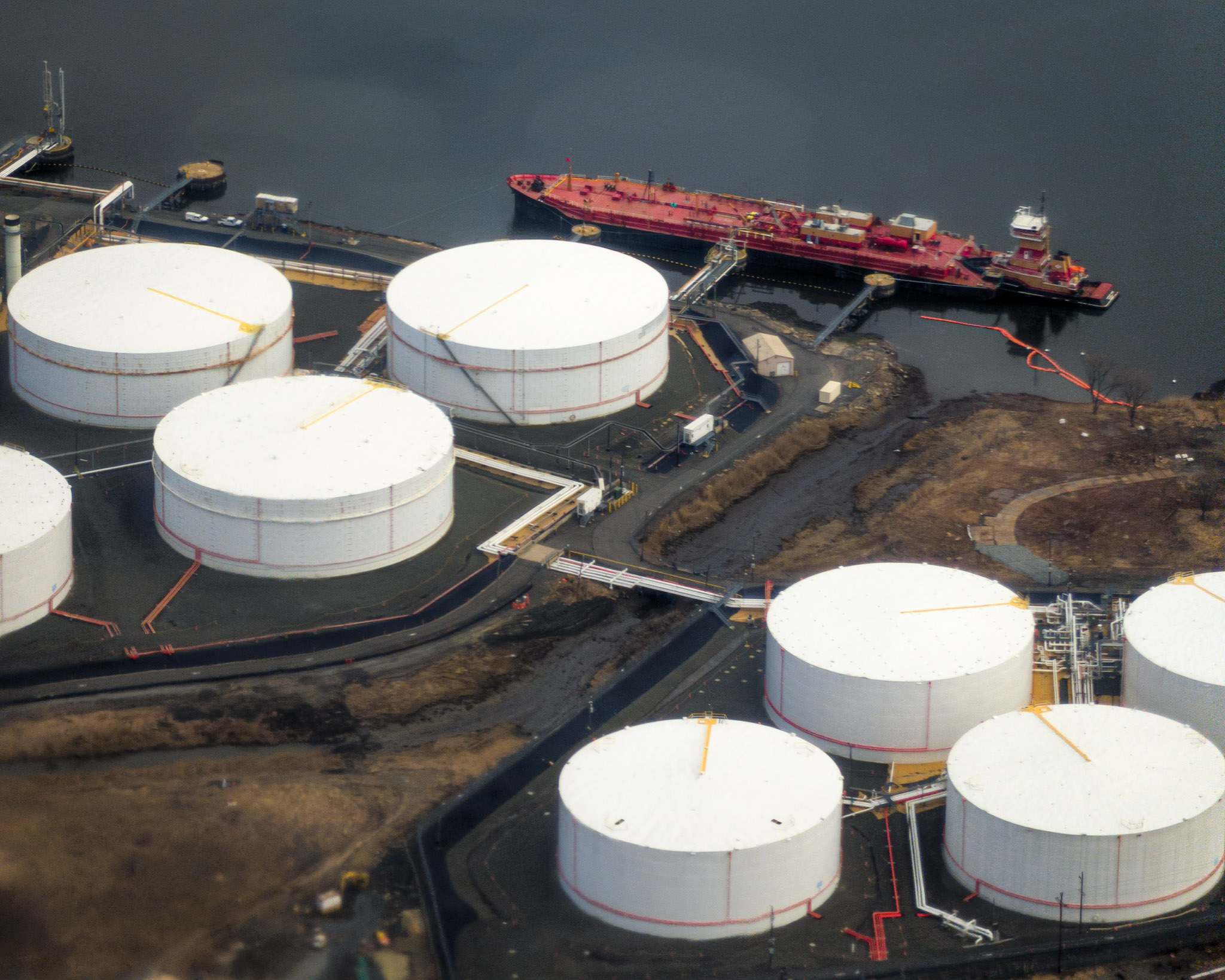
Every piece of infrastructure I've ever built has a rated capacity, and that number is a hard ceiling. The Saudi bypass pipeline was designed for 7 million barrels a day but the terminal at the other end wasn't. Right now the market is pricing the pipeline number and ignoring the terminal, and that's the wrong number to be watching.

PXL_20260318_170452564.jpg

It starts at the wellhead. Crude gets lifted, processed through a separation facility to strip out gas and water, and then moves into a gathering pipeline network that feeds a central export terminal. At every stage there's a design capacity and an operational reality, and they're rarely the same number because the system was never built to run at 100% from end to end.

PXL_20260318_164828619.jpg

The Strait of Hormuz is where all of those gathering systems converge. Saudi Arabia, Kuwait, Iraq, the UAE, and Qatar all funnel their export volumes through the same 21 miles of water. On a normal day that's roughly 20 million barrels of oil and condensate plus 20% of the world's LNG moving through a chokepoint that's two miles wide at its navigable channel. There's no redundancy built into that system because for 40 years no none decided it would be a good idea to have one.

wic-snap-2026-03-19T12-07-02.png

Saudi Arabia has a bypass. The East-West Pipeline runs 750 miles across the peninsula and terminates at the Red Sea port of Yanbu, and as of March 11th it's running at full rated capacity for the first time in its history. The problem is that Yanbu was never designed to be a primary export hub.

gs-snap-banner-mvknude.png

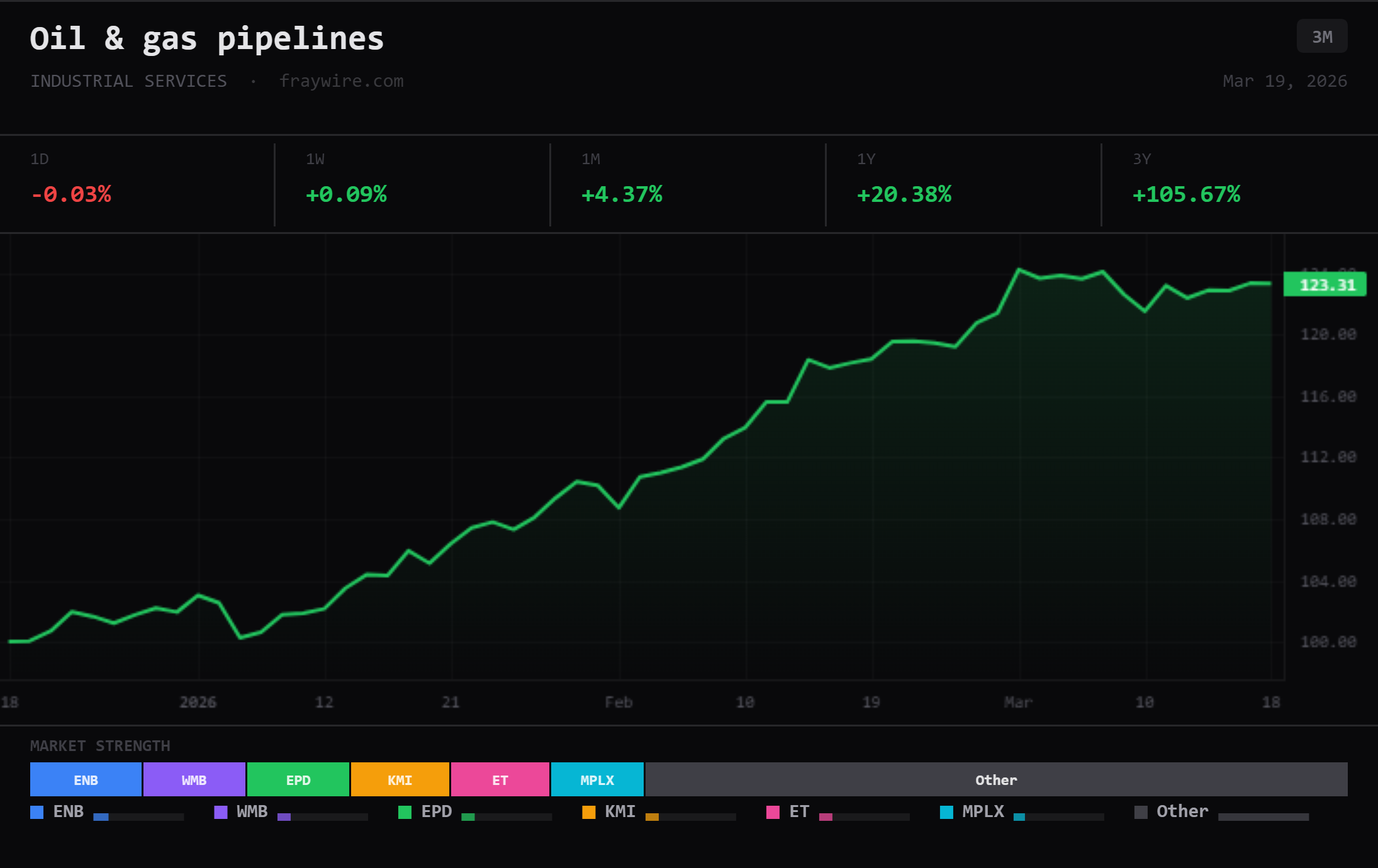
Oil and gas pipeline stocks on Fraywire are up 20% over the last year and 105% over three years, but they've been consolidating since the conflict started. The market ran these up on bypass capacity optimism and is now repricing around the terminal constraint. The pipeline isn't the problem; the exit ramp at the other end is.

Oil___gas_pipelines_industry_fraywire.png

The terminal's loading capacity, the number of berths, the tank farm volume, the loading arms, the approach channel depth for simultaneous VLCC traffic were never sized for what the pipeline can deliver. So the pipeline is bottlenecking to an ill-equipped port in need of upgrades. The infrastructure breakdown behind this story is in Saturday's piece: https://breakingmetrics.substack.com

Breaking Metrics | Substack
Civil engineer and investor writing about markets, geopolitics, and how real-world systems break. Click to read Breaking Metrics, a Substack publication with hundreds of subscribers.
breakingmetrics.substack.com

BM
@breakingmetrics
Mar 17, 2026 · 5:24 PM
game theory

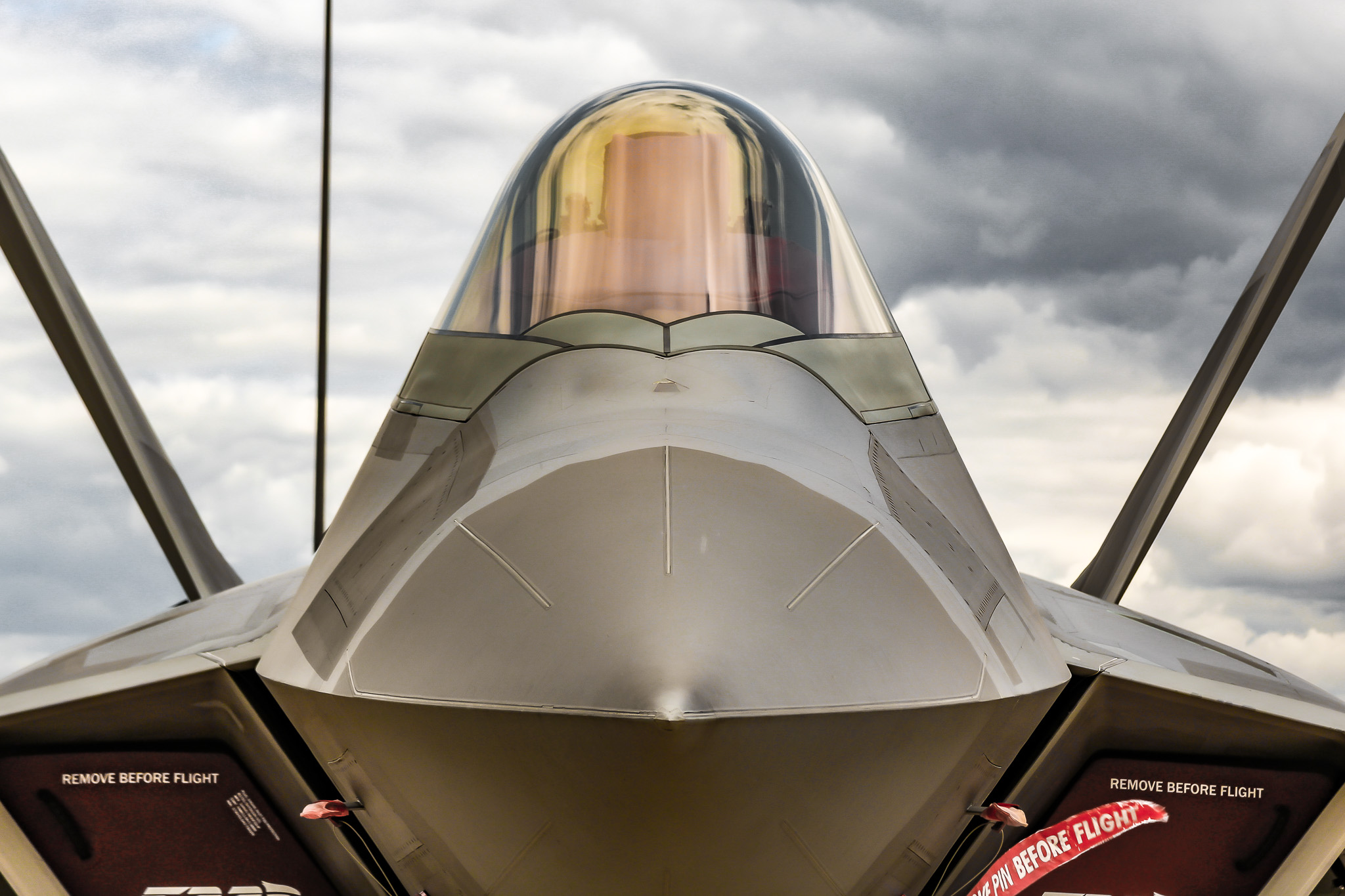
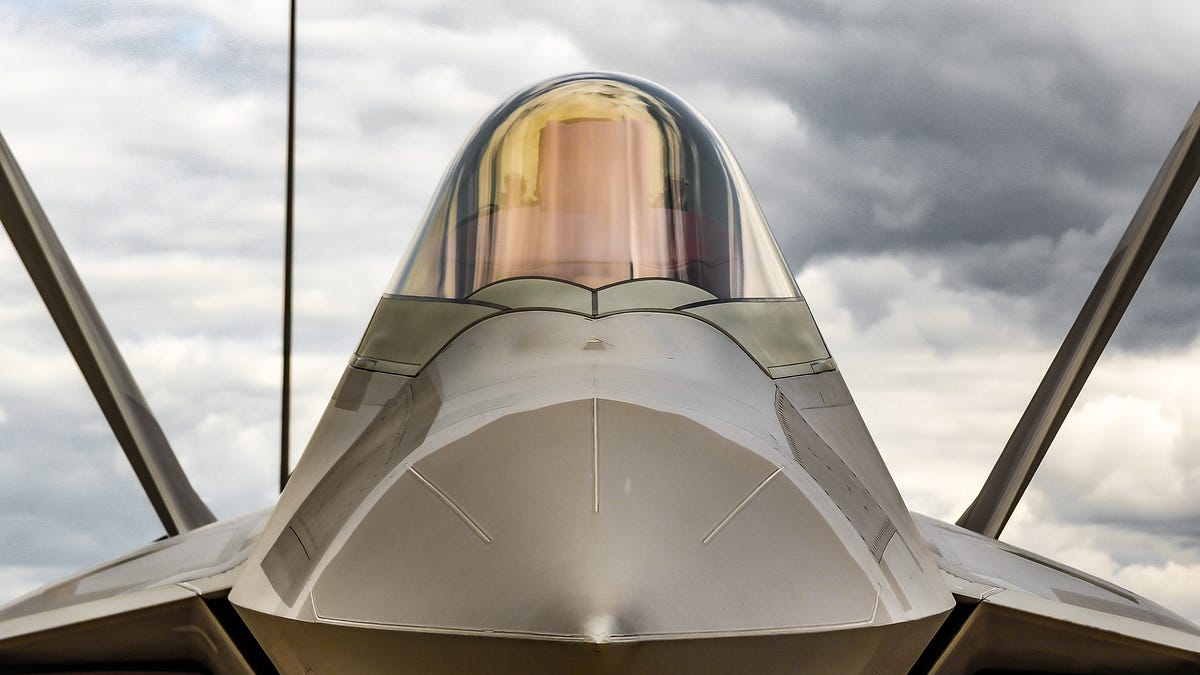
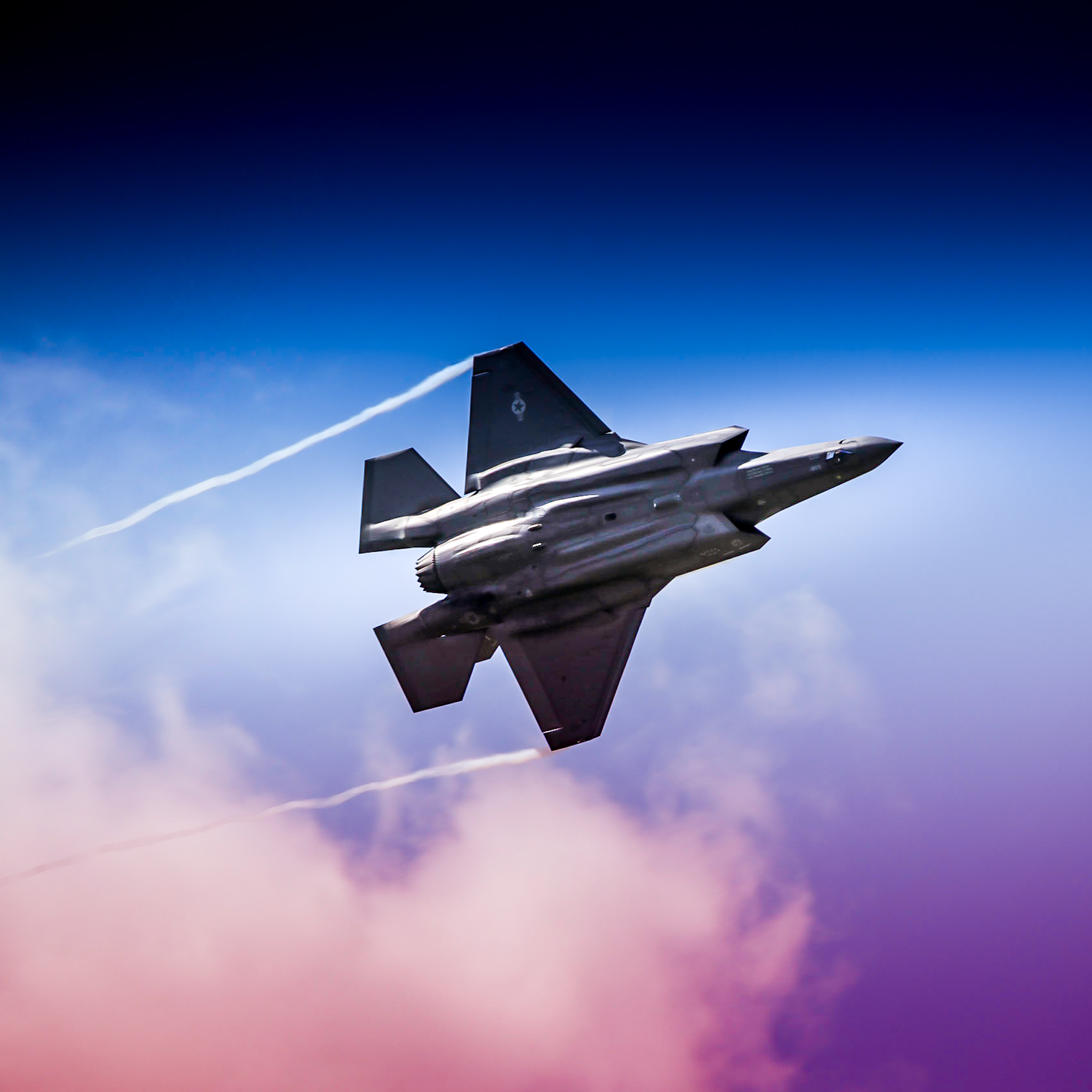
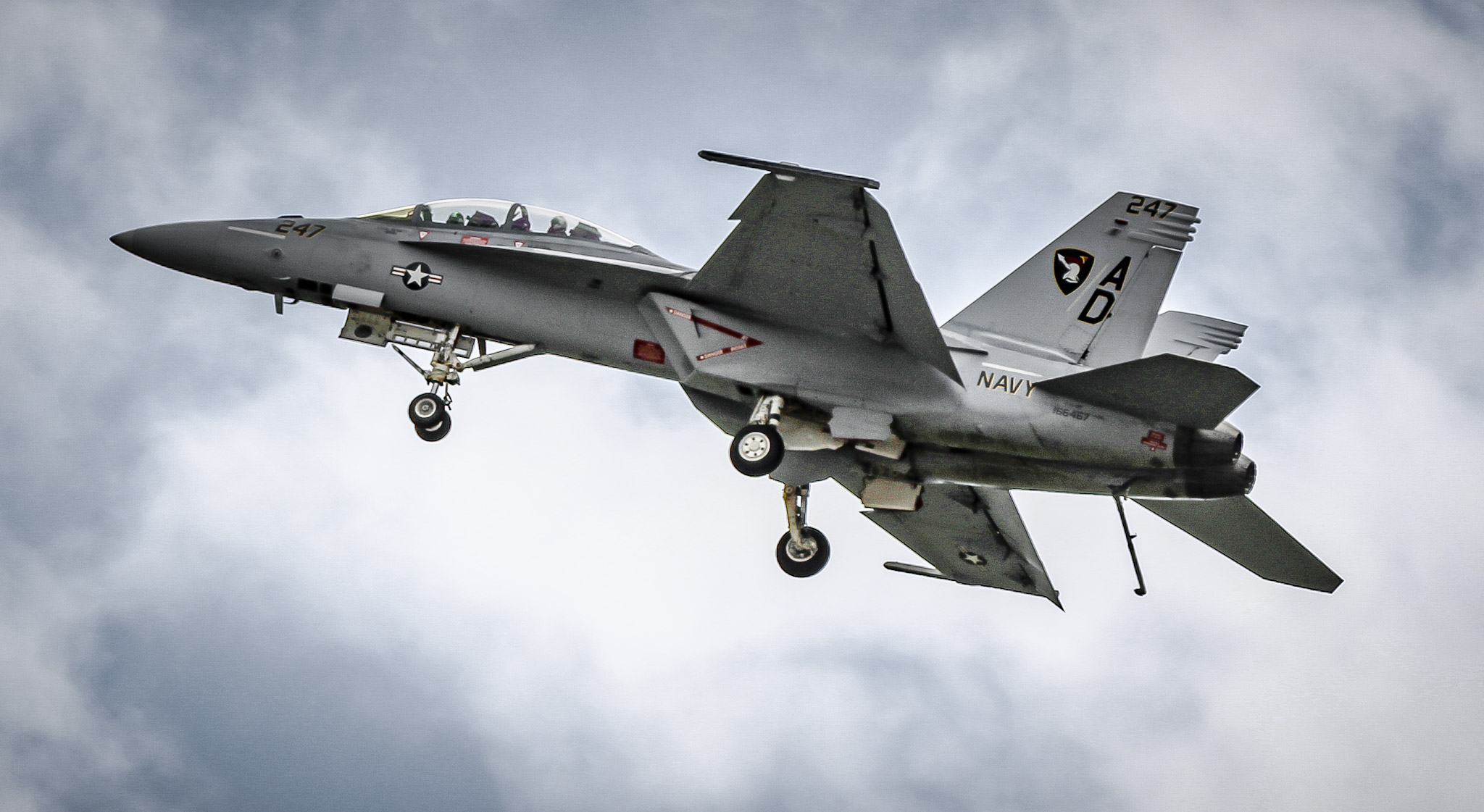
For 40 years this was America's answer to every Middle East energy crisis. Fast, lethal, and impossible to ignore. The problem is an F/A-18 can't load a supertanker and a carrier group can't patrol 21 miles of Iranian coastline indefinitely. The geometry doesn't work. Here's what that looks like right now.

IMG_5983.jpg

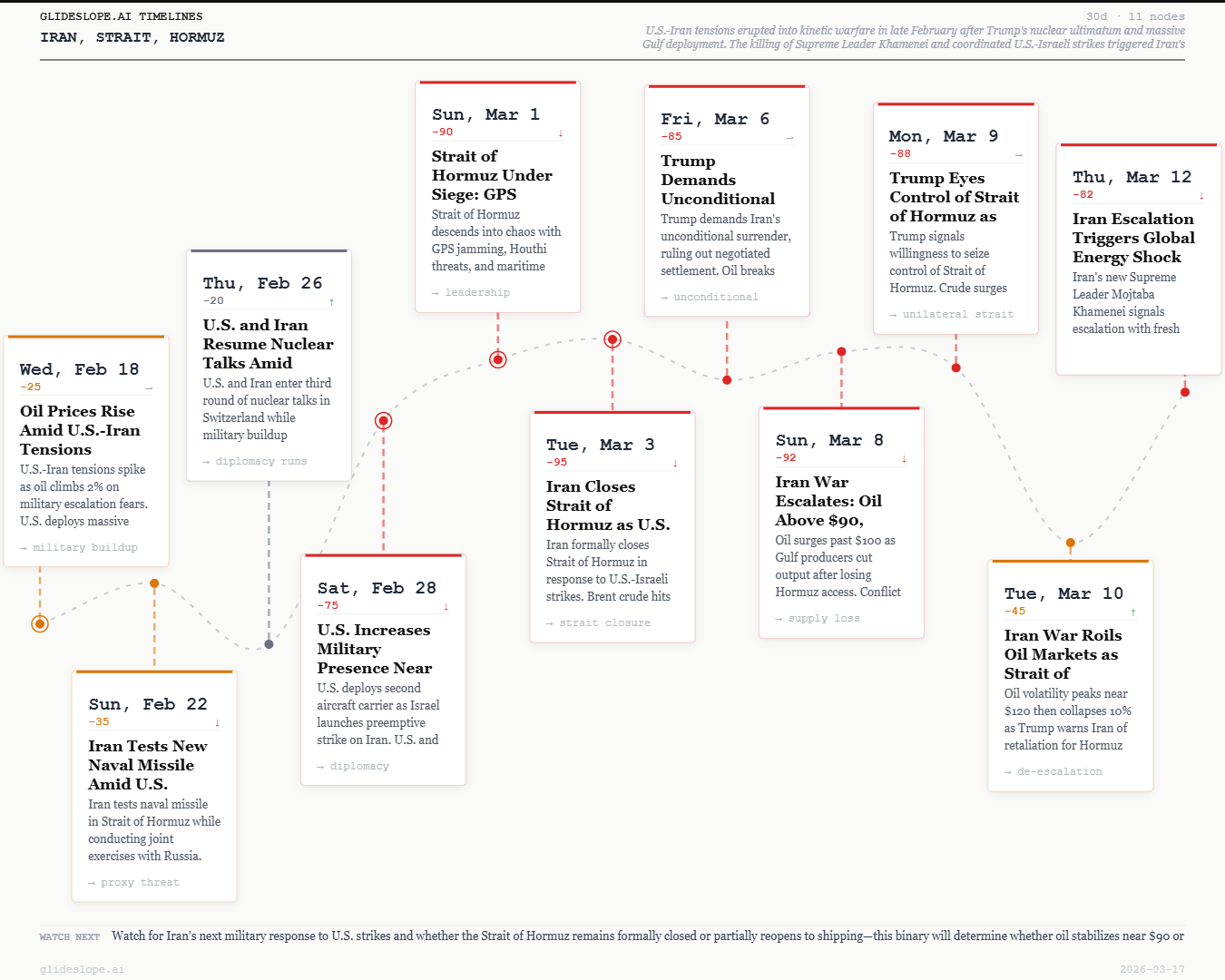
This war didn't start on February 28. It was telegraphed for weeks. Feb 18: massive Gulf military deployment. Feb 20: Trump issues a 10-15 day ultimatum. Feb 22: Iran tests a naval missile in the Strait. Feb 24: US orders staff out of Beirut. Iran watched every signal, got every warning, and didn't take the off-ramp. The strikes weren't a surprise. They were the end of a very public countdown.

timeline-iran-strait-hormuz-30d.png

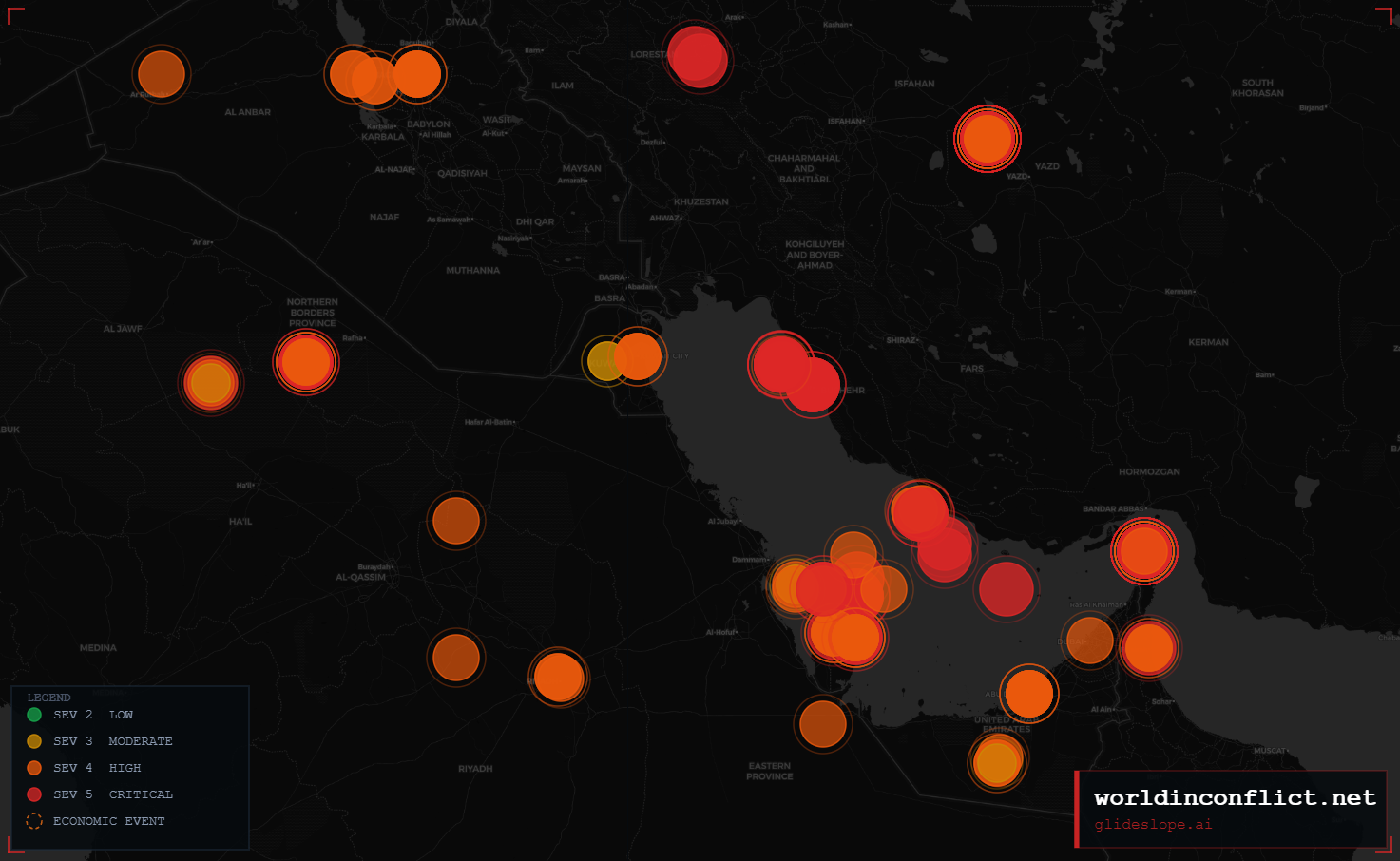
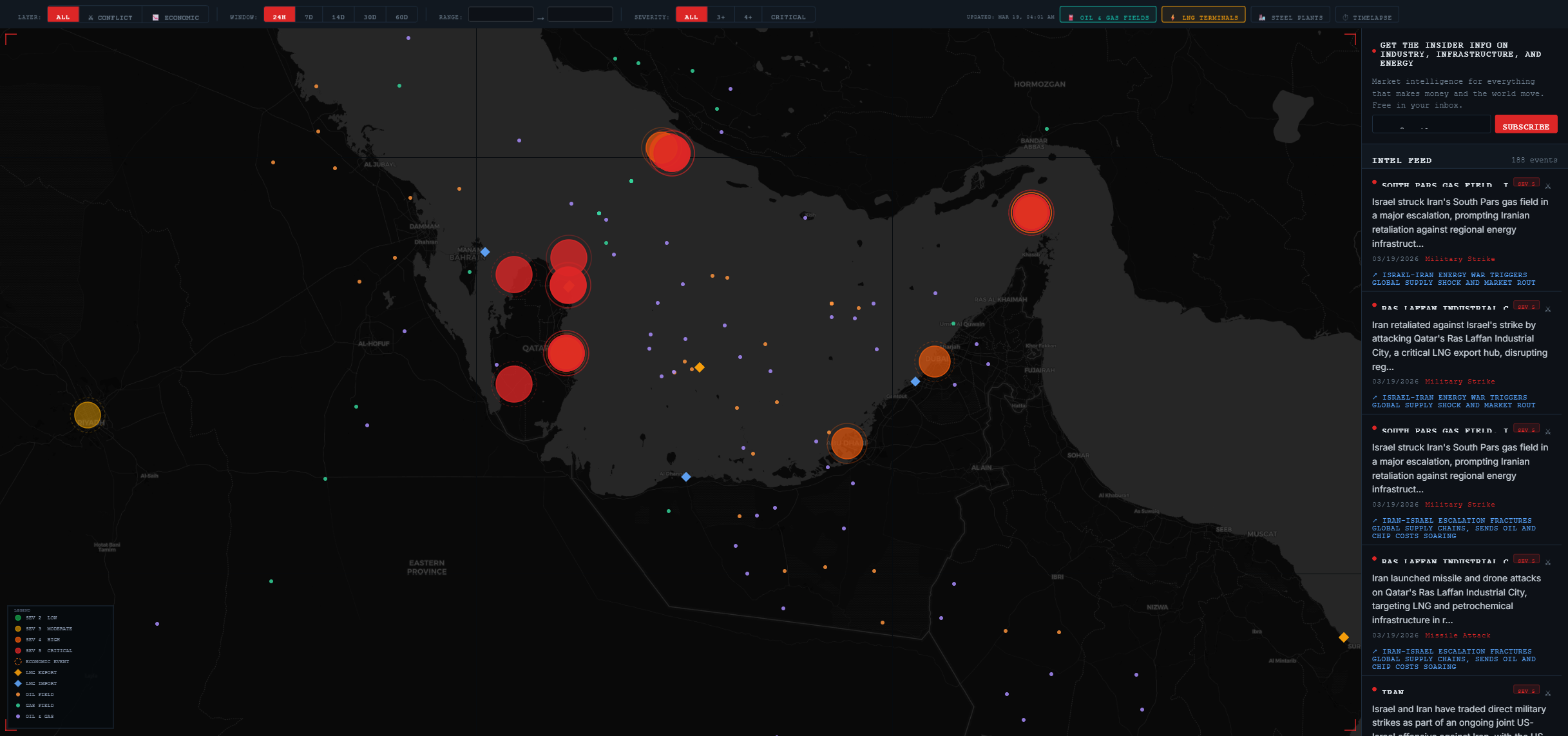
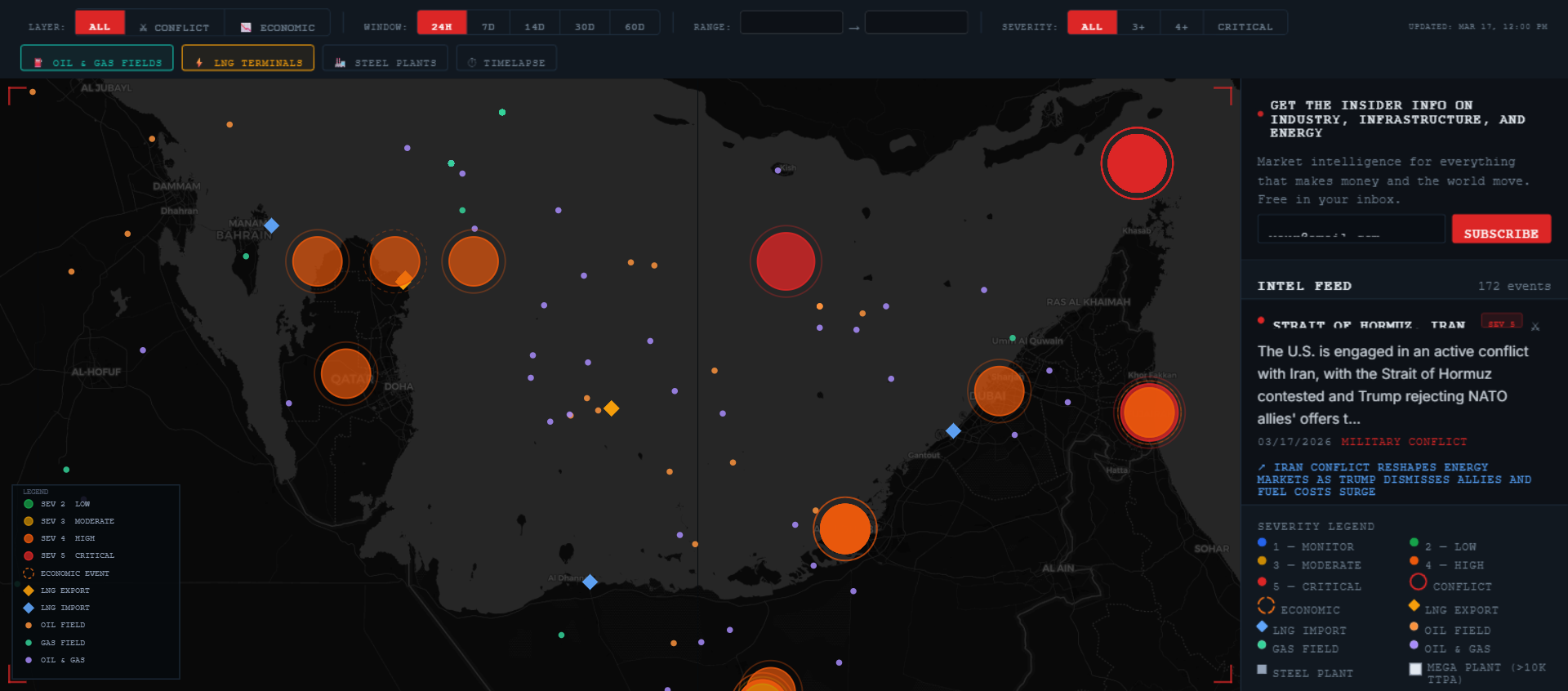
This is what the Gulf looks like right now. Every circle is a conflict event. Every diamond is an LNG terminal. Every dot is an oil field. All of it surrounding a 21 mile stretch of water with Iranian territory running the entire length of one side. No single navy patrols all of that. The geometry makes it impossible. I built worldinconflict.net to track exactly this in real time.

wic-snap-2026-03-17T20-24-32.png
World in Conflict — Global Crisis Map
Live geopolitical conflict and economic disruption map powered by AI intelligence analysis.
www.worldinconflict.net

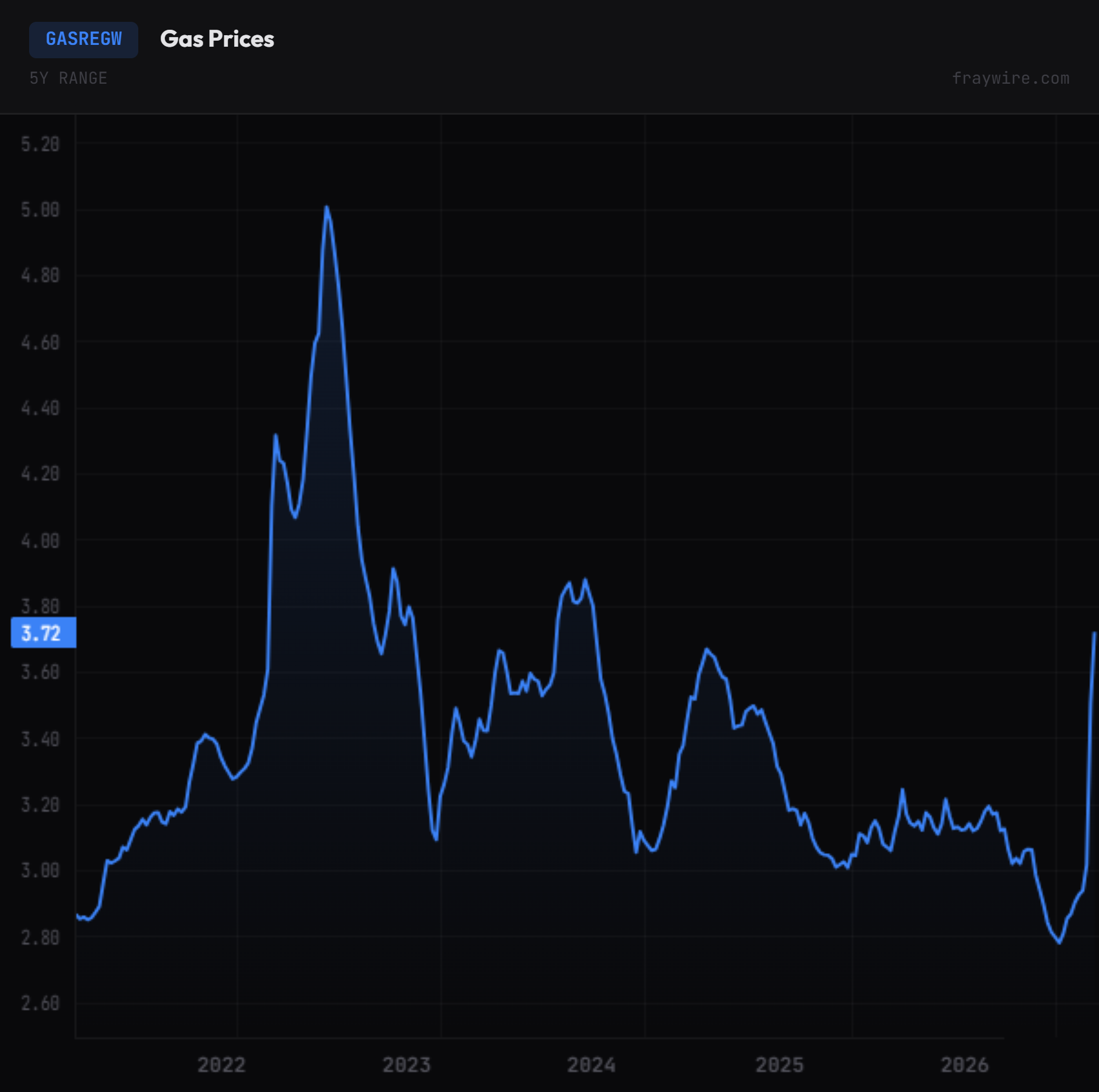
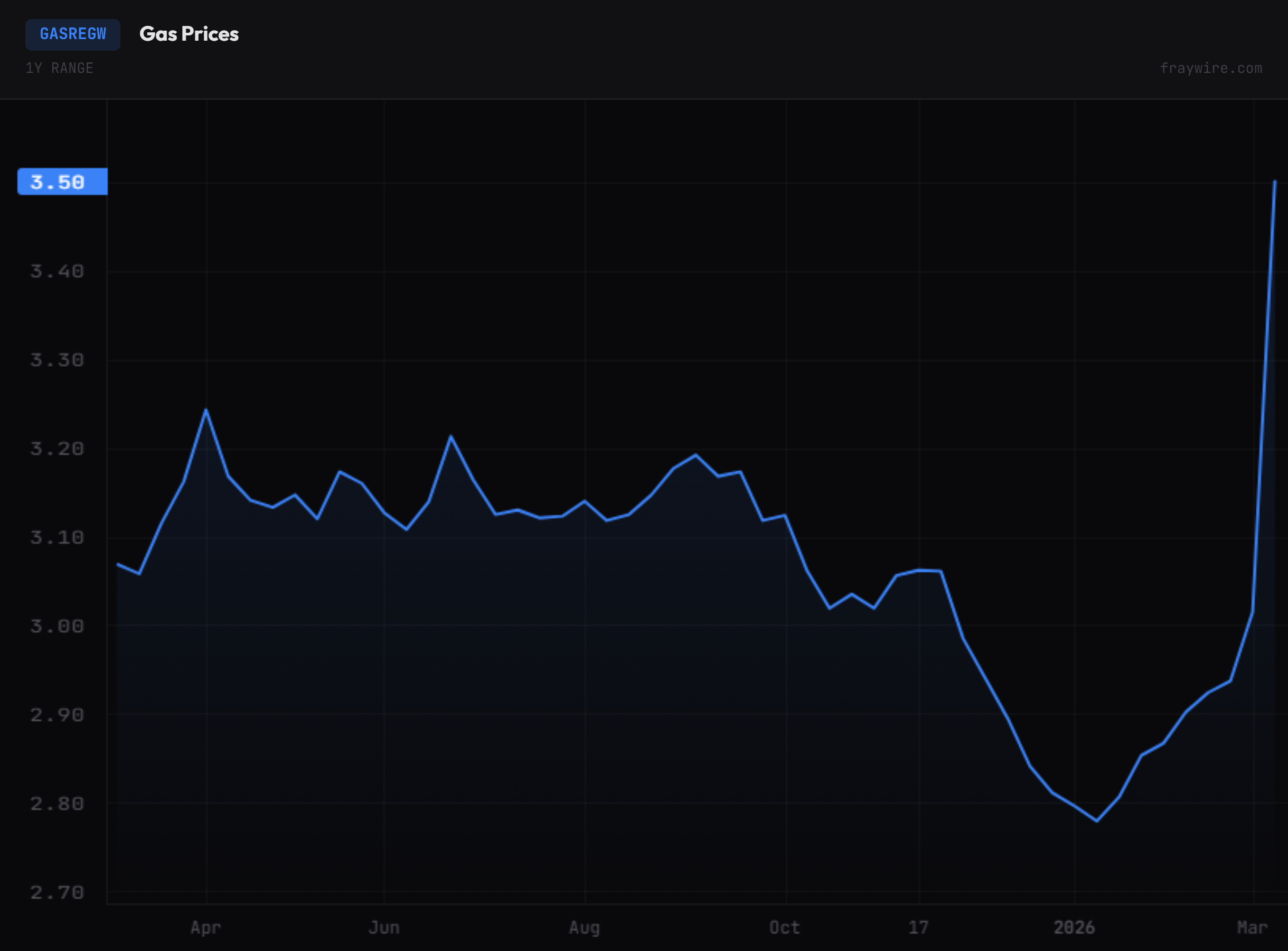
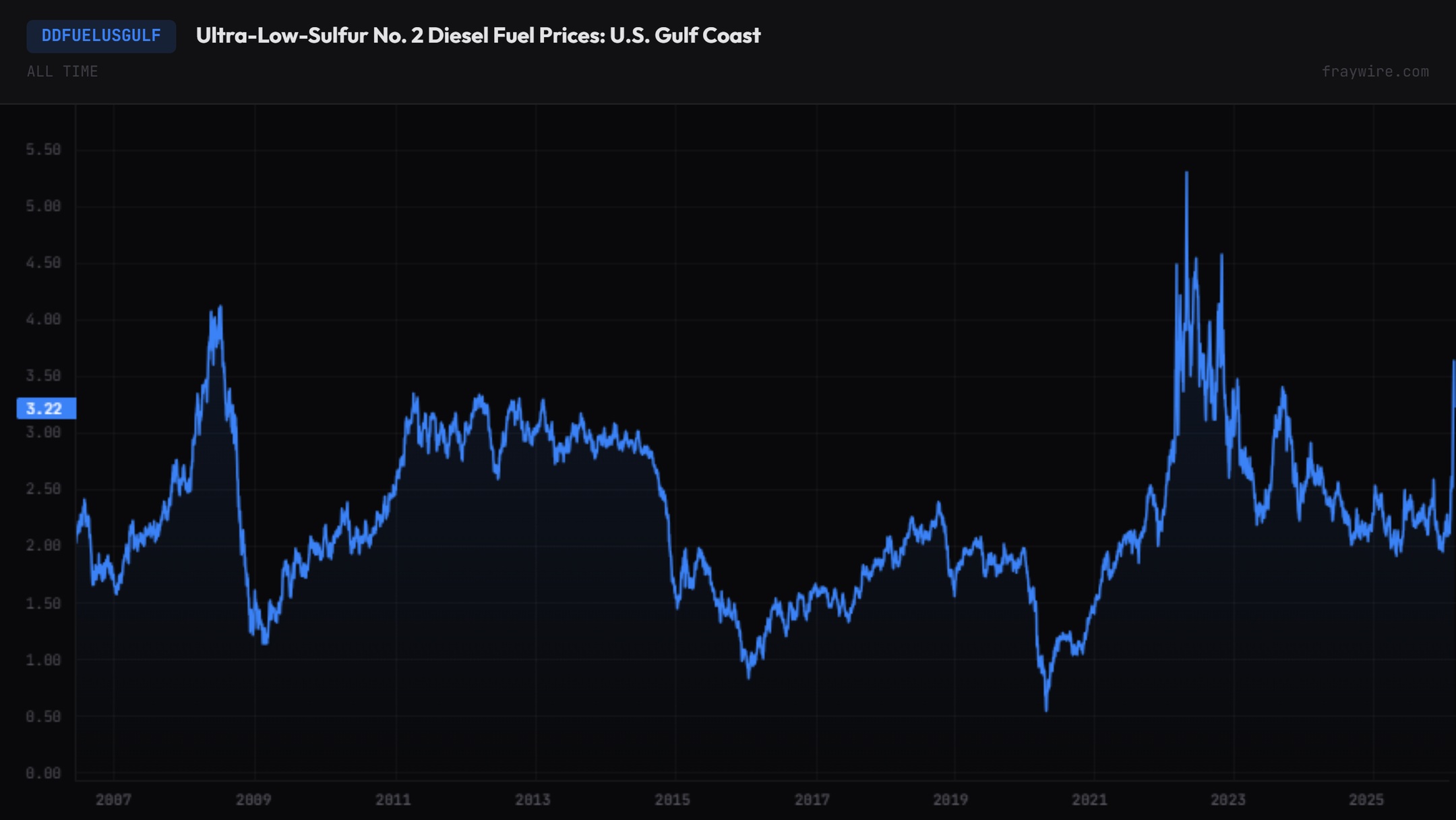
Here's why gas isn't at $5 yet. The Strategic Petroleum Reserve is being tapped. Gulf states are pushing oil through emergency bypass routes at record pace. Every lever is being pulled simultaneously. But those levers aren't infinite. Last time gas hit $5 governments did it to themselves. This time nobody chose this. Iran closed the Strait in 17 days and we're holding at $3.72. The question is how long that holds.

GASREGW_fraywire.png

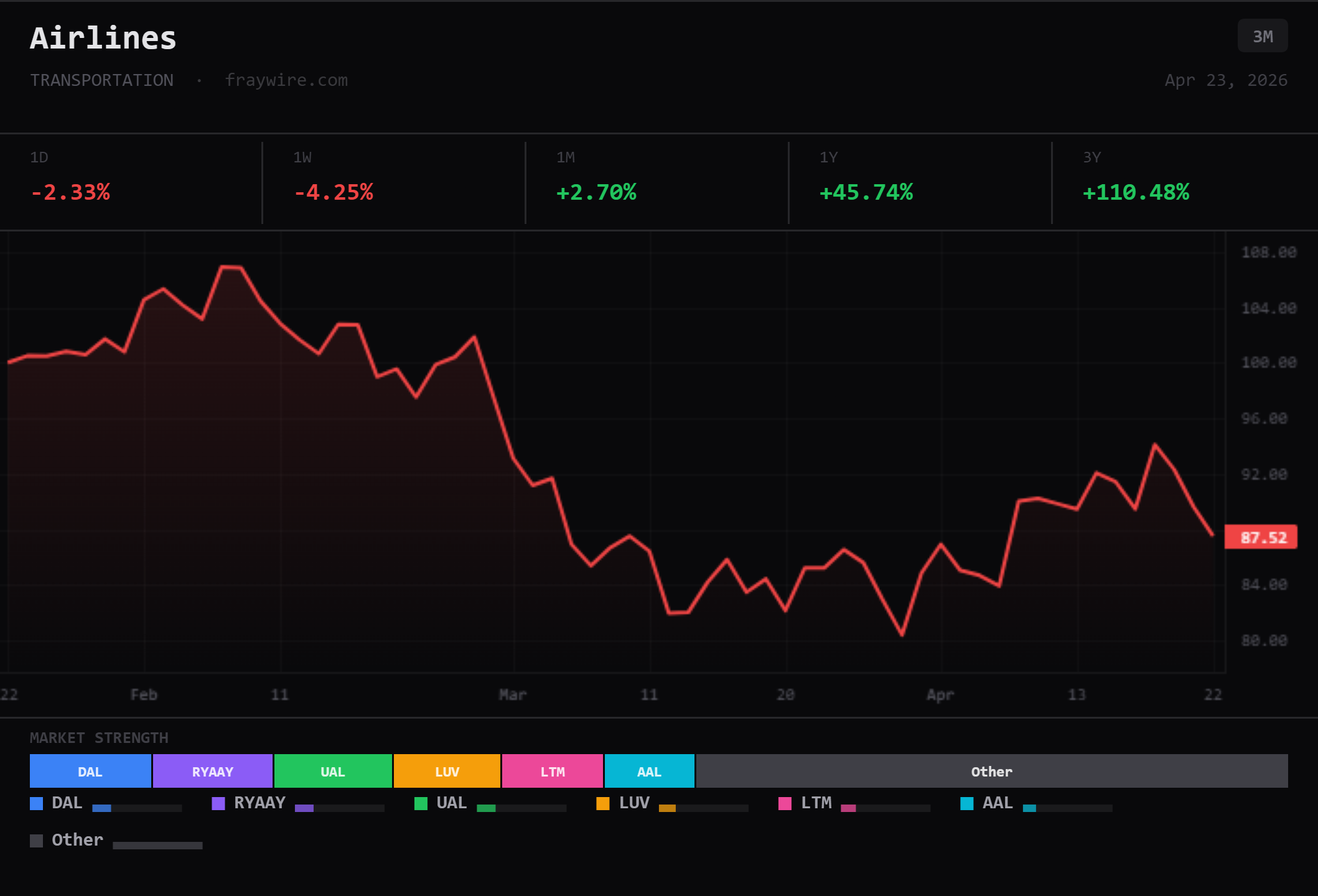
Airlines are raising fares. Shipping margins are compressed. Energy stocks up, everything else under pressure. The market knows this isn't over. Oil volatility persists until there's geopolitical clarity and right now there isn't any. This is what a contested chokepoint looks like in a portfolio at day 17. Stay updated on the latest hotspots and conflicts: https://www.glideslope.ai

Glideslope.ai — AI-Powered Market News
Real-time market news with AI-powered sentiment analysis, curated briefings, and Pulse — your intelligent financial news feed.
www.glideslope.ai

Saudi Pipeline pipelines Mar 15, 2026
BM
@breakingmetrics
Mar 15, 2026 · 4:29 PM
pipelines

The media telling you the Saudi pipeline solves the Hormuz closure. They read that number off a document. Not one of them has looked at what happens when that pipeline reaches the port. I've been building public infrastructure for over 16 years. Here's the first thing everyone should be checking.

IMG_4774 (1).jpg

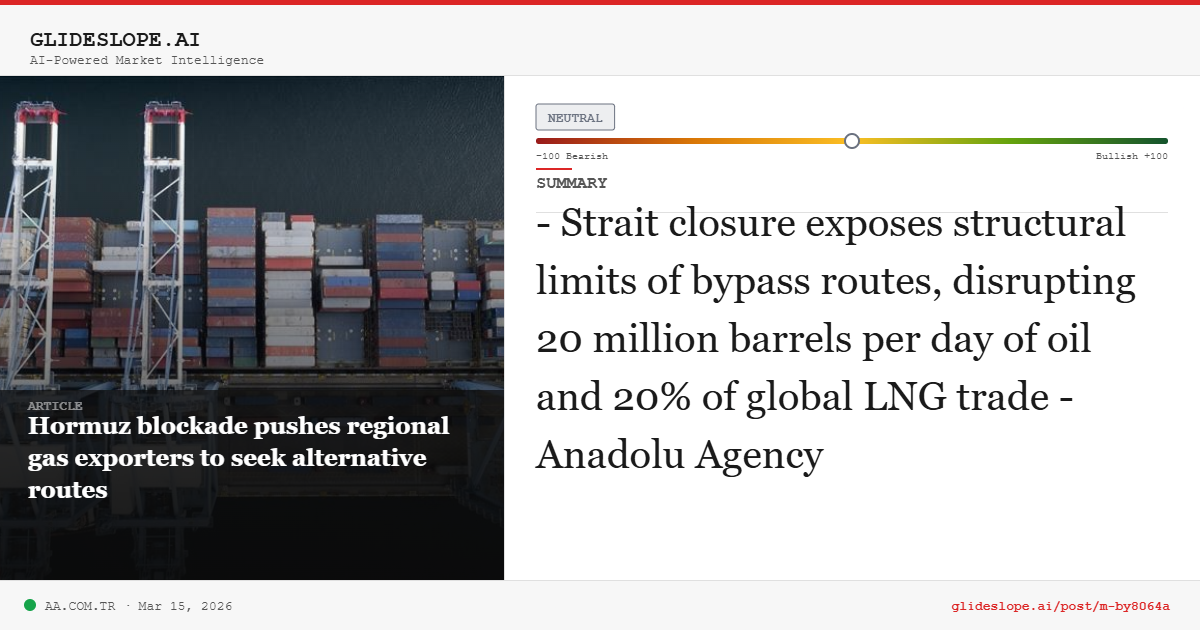
The Strait of Hormuz normally moves about 20 million barrels per day. The two pipeline bypasses that exist (Saudi Petroline and the UAE's Habshan-Fujairah line) can handle a combined 8.8 million barrels per day at their stated maximums. That's already a 55% gap before we even get to the terminal problem.

GASREGW_fraywire.png

The terminal problem is this: The Saudi pipeline ends at Yanbu on the Red Sea. Yanbu was never designed to be Saudi Arabia's primary export hub. Analysts estimate the port's actual loading capacity at around 3 million barrels per day. So you have a 7 million barrel pipeline feeding a 3 million barrel terminal. In construction we call that a bottleneck. In the oil market they're calling it a bypass.

gs-snap-banner-m-by8064a.png

To put that in context: Yanbu at maximum load capacity covers about 15% of what the Strait normally moves on any given day. The UAE's Fujairah terminal adds roughly another 1.5 million barrels per day and it has already been hit by Iranian drones. We're not talking about a detour. We are talking about a straw trying to drain a swimming pool.

wic-snap-2026-03-15T17-26-10.png

And that's just the oil. For liquefied natural gas there is no pipeline alternative at all. Qatar moves 93% of its LNG through the Strait. There is no overland route, no terminal workaround, and no plan B. Every BTU of Qatari gas destined for Europe and Asia has exactly one exit and Iran controls the door.

DCOILWTICO_fraywire.png

The world spent 40 years building redundancy into oil infrastructure after the Iran-Iraq war. Nobody built redundancy for LNG because nobody thought they needed to. That assumption is getting stress tested right now at $100 a barrel and climbing. The engineers knew the gap existed. The market is only now doing the math. If you want more insider takes from a civil engineer's perspective, consider subscribing to my Substack: https://breakingmetrics.substack.com

Breaking Metrics | Substack
Civil engineer and investor writing about markets, geopolitics, and how real-world systems break. Click to read Breaking Metrics, a Substack publication with hundreds of subscribers.
breakingmetrics.substack.com

Let Them Eat Crude oil Mar 14, 2026
BM
@breakingmetrics
Mar 14, 2026 · 8:43 PM
oil

America just became the only large-scale Western oil supplier left standing with clean title to its production and a secured western hemisphere corridor. That outcome was visible in January. Most people didn't see it because they were watching the wrong number.

IMG_7988-2.jpg

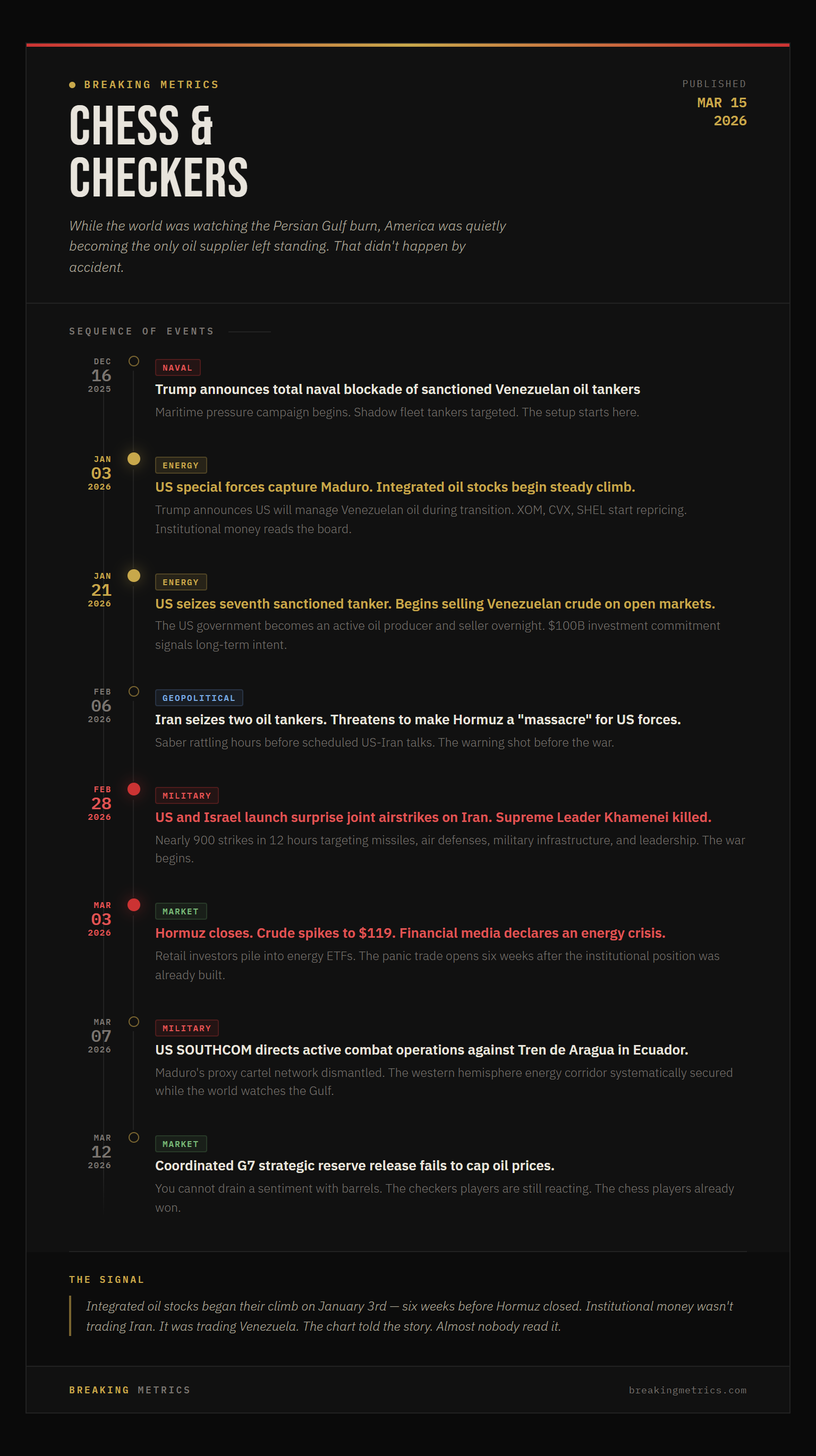
The sequence was never reported as one story. It was covered as isolated headlines. Read it as a single timeline: — Naval blockade: December — Maduro removed: January — Venezuelan infrastructure under American operational control: weeks later — Ecuador stabilized through direct military engagement: March — Hormuz closes: also March The board was set before the first missile left Iranian airspace.

_C__Users_Royan_Desktop_chess-checkers-timeline.html.png

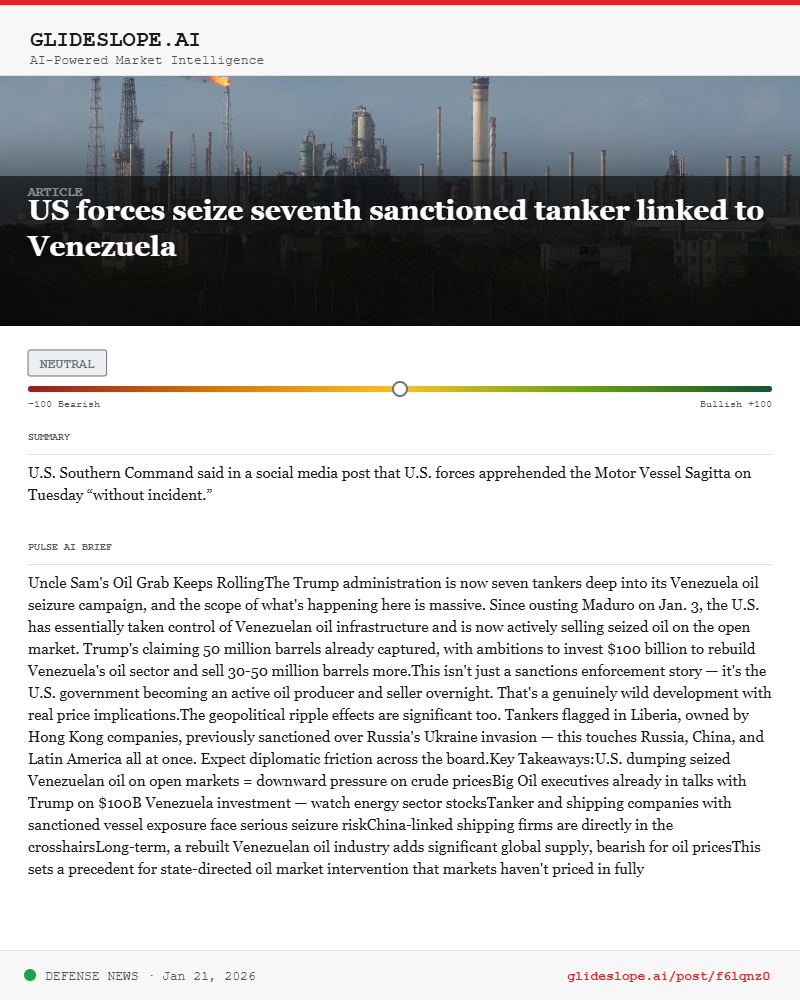
Venezuela holds the largest proven oil reserves on earth, roughly 300 billion barrels. Production had collapsed from 3.5M barrels/day in the late 1990s to under 900K today. The infrastructure is recoverable. The reserves are enormous. The single largest obstacle to American access had just been removed. Institutions read that sequence in January and moved accordingly.

gs-snap-post-f6lqnz0.png

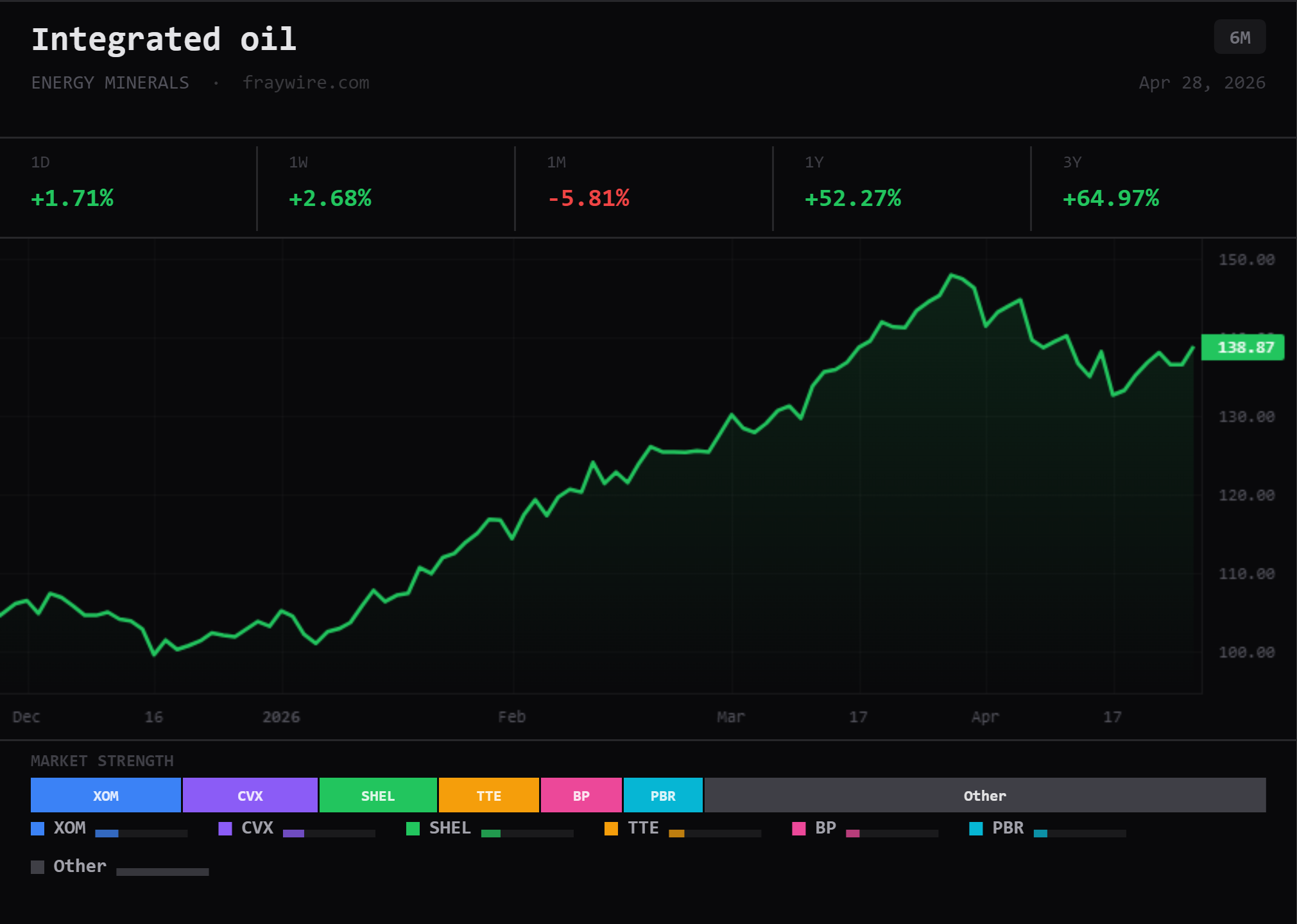
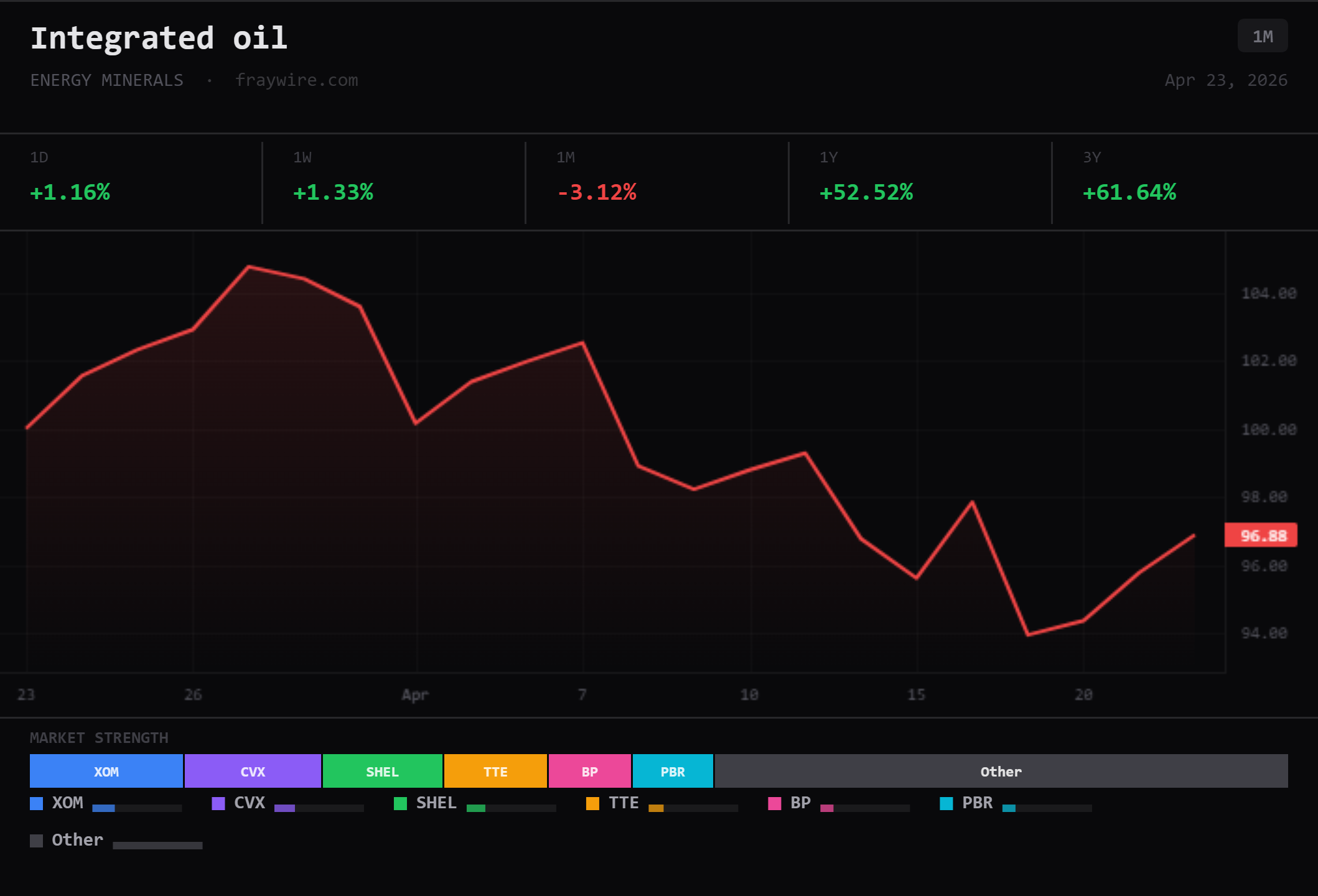
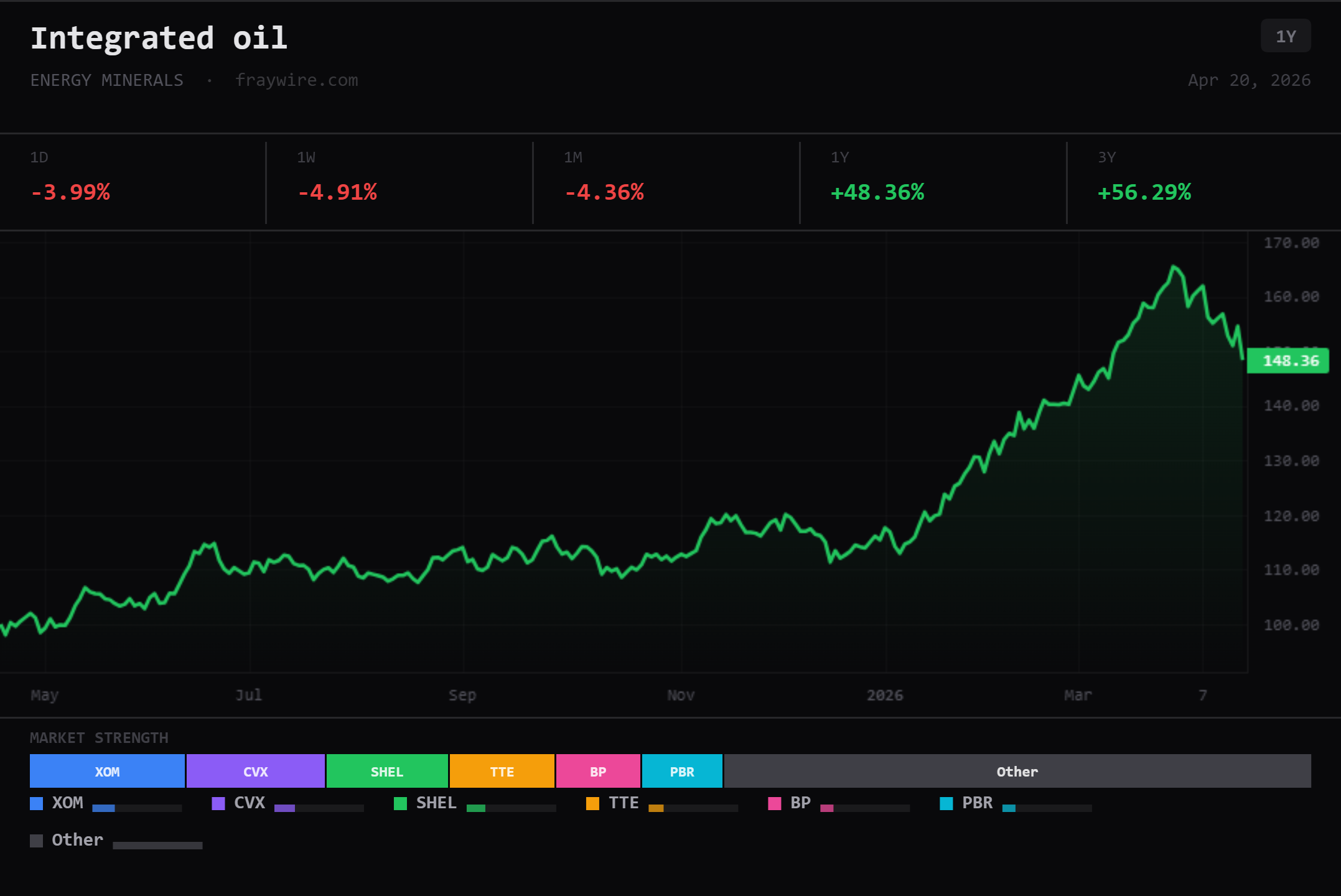
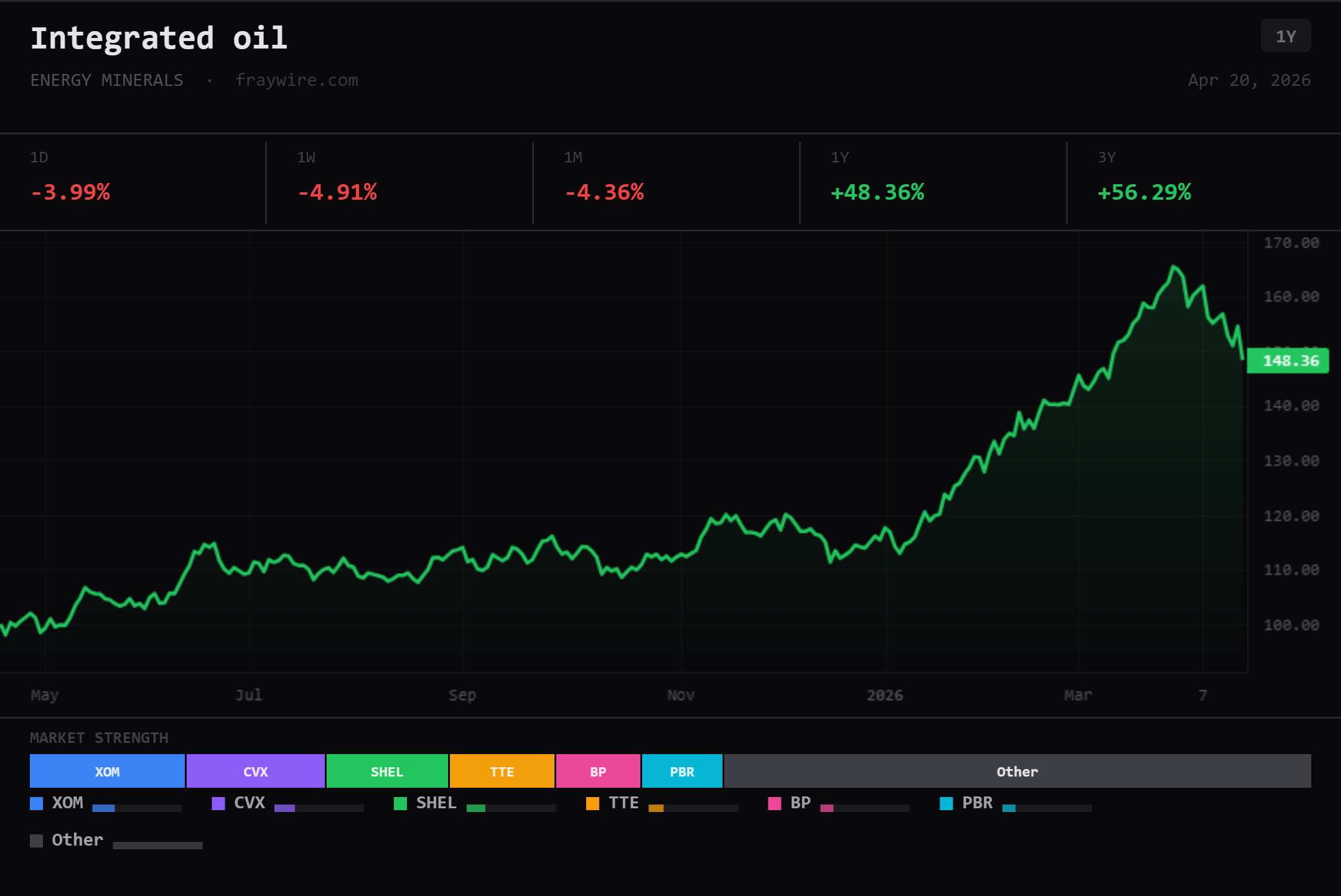
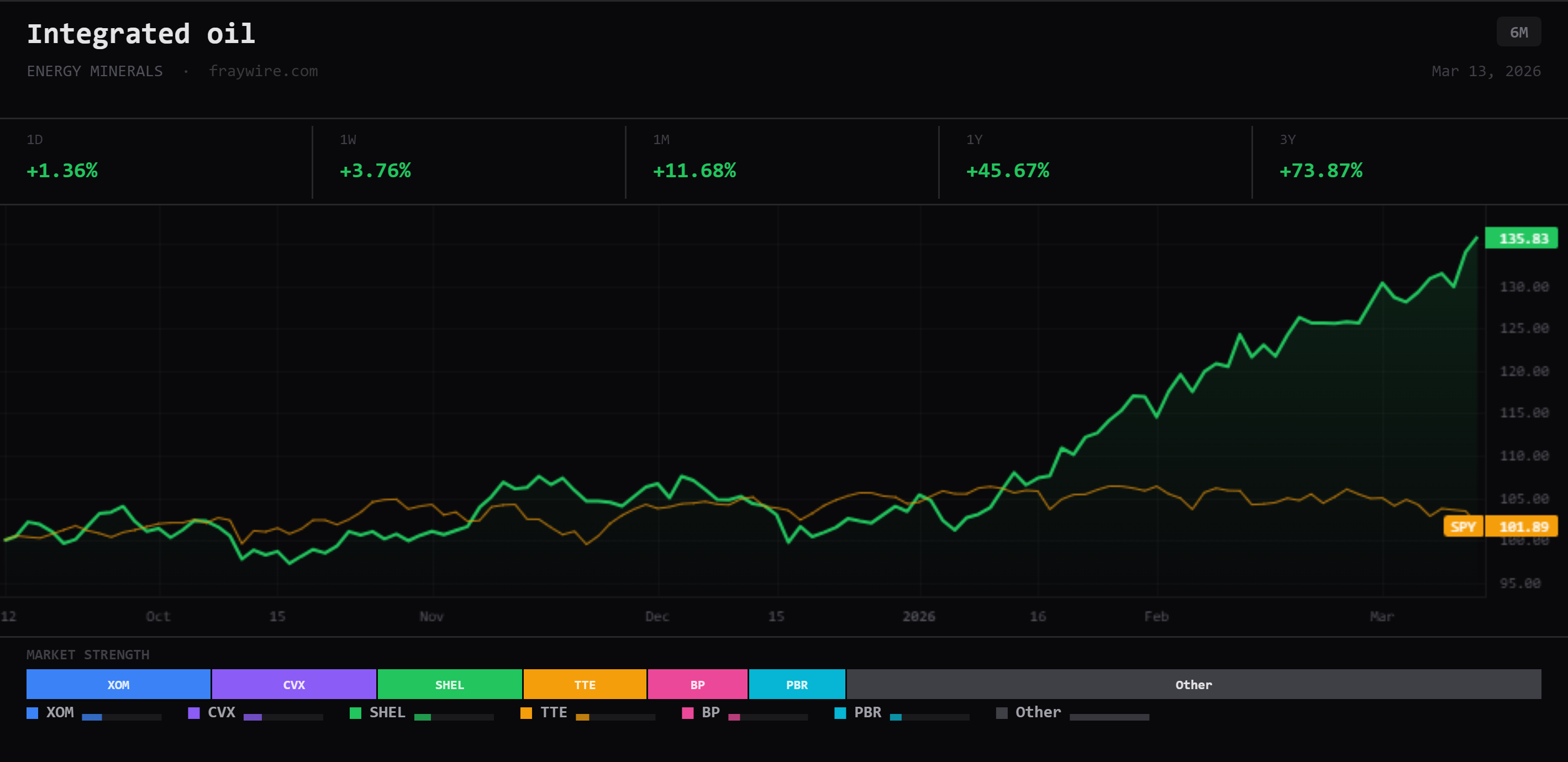
Retail found out in March when crude hit $119 and bought the top. Two completely different markets were operating simultaneously on the same commodity. Spot crude ran on fear and headlines. Integrated oil stocks ran on institutional strategy. Most retail investors couldn't tell the difference because they were watching the wrong number.

Integrated_oil_industry_fraywire.png

Integrated oil stocks started climbing January 3rd. Iran didn't close Hormuz until March 3rd. If the rally was about Iran, what exactly was the market pricing for those six weeks? Read the full breakdown: https://open.substack.com/pub/breakingmetrics/p/forcing-checkmate

Let Them Eat Crude
While retail was playing checkers, institutional money was already three moves into a forced checkmate.
open.substack.com

Everyone is watching Iran. infrastructure Mar 13, 2026
BM
@breakingmetrics
Mar 13, 2026 · 10:21 AM
infrastructure

Everyone is watching Iran. That is exactly where Washington wants your attention. While the Strait of Hormuz dominates every headline, the United States has been executing a methodical campaign to secure every strategic chokepoint and energy asset in the Western Hemisphere. Panama, Venezuela, Ecuador. The moves are connected and the timing is not a coincidence.

IMG_3764 (1).jpg

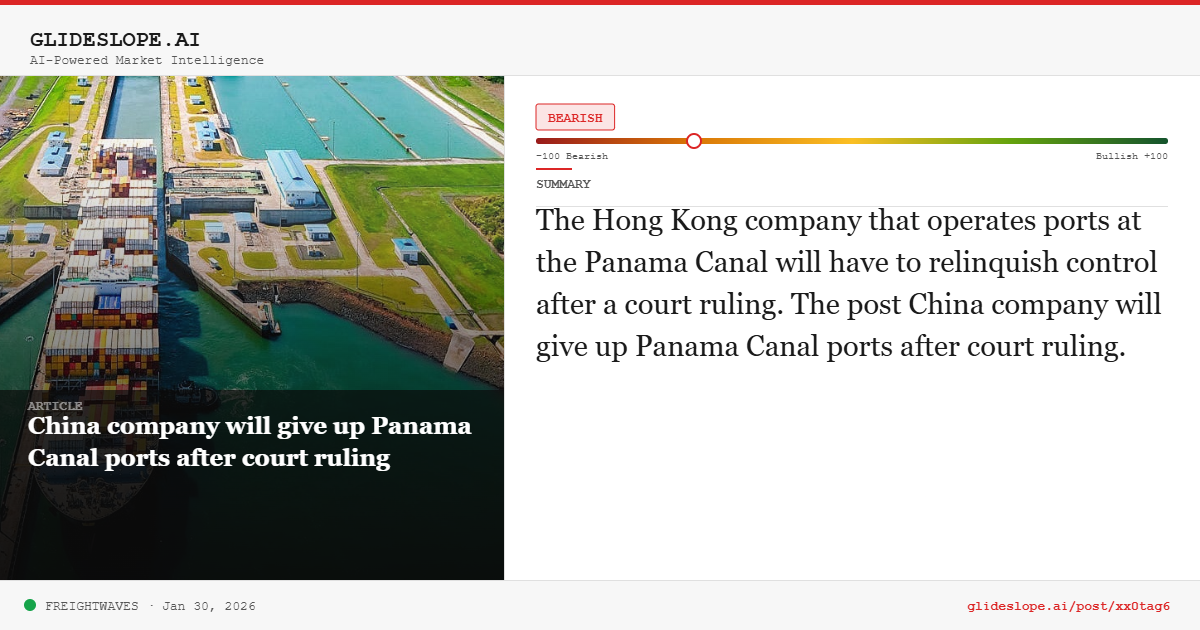
Panama's Supreme Court ruled CK Hutchison's port concessions unconstitutional, ending Chinese operational control over both entrances to the Panama Canal. Maersk steps in as interim operator. Washington got what it wanted through the courts instead of a boardroom, and Beijing has no legal recourse.

gs-snap-banner-xx0tag6.png

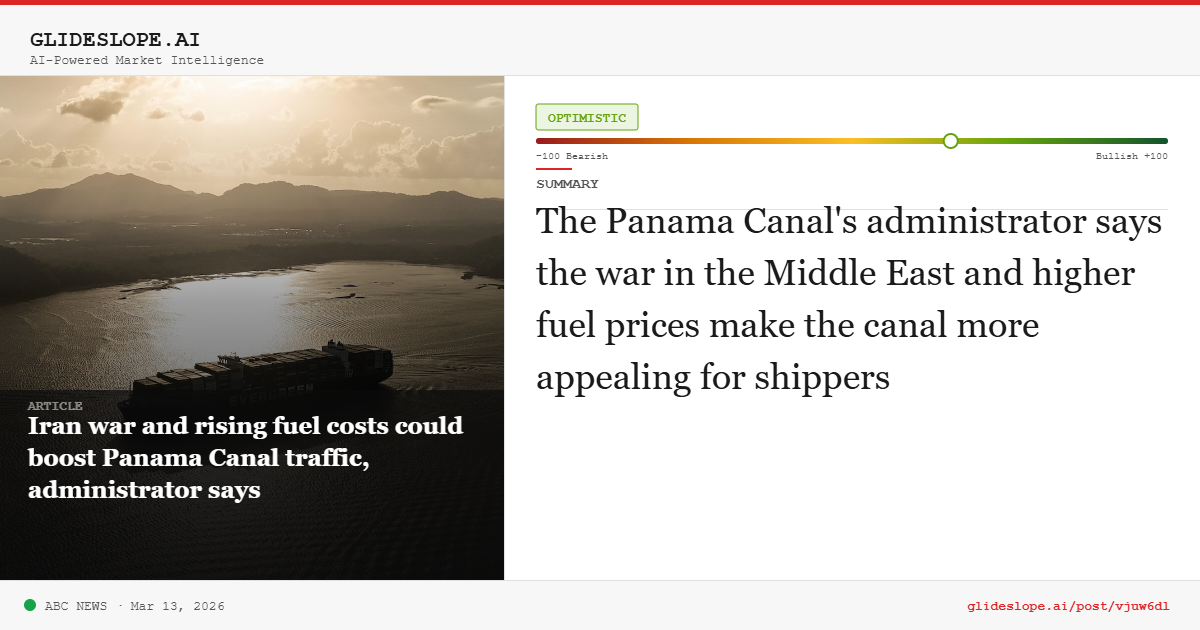
The timing is the story. Hormuz closed in early March, making Panama the most critical alternative trade corridor on earth practically overnight. China just lost operational control of that corridor at the precise moment the world needed it most.

gs-snap-banner-vjuw6dl.png

Venezuela's oil infrastructure is under American operational control, Ecuador's cartel networks are being dismantled by SOUTHCOM, and Panama's canal ports are being transferred to Western operators. None of this was reported as a single connected strategy because the moves happened weeks apart across three different countries. Tomorrow's full breakdown is on my Substack: https://breakingmetrics.substack.com

Breaking Metrics | Substack
Civil engineer and investor writing about markets, geopolitics, and how real-world systems break. Click to read Breaking Metrics, a Substack publication. Launched 2 years ago.
breakingmetrics.substack.com

BM
@breakingmetrics
Mar 12, 2026 · 10:23 AM
oil

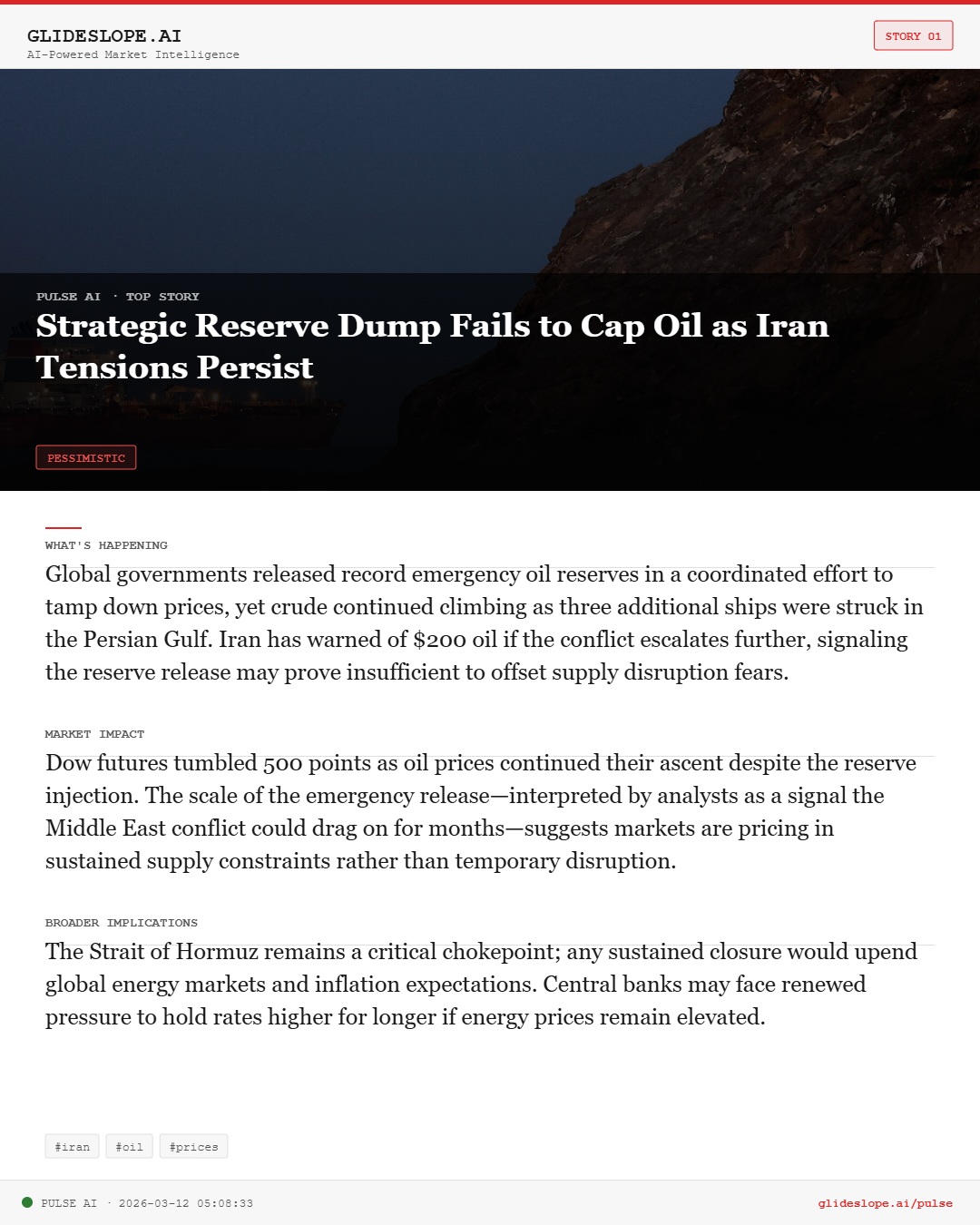
Global governments released record emergency oil reserves overnight in a coordinated effort to cap prices. Crude went up anyway. Three more ships were struck in the Persian Gulf this morning. The SPR dump failed. Here is what that actually means.

650855324_17953773774099555_3020726563415948514_n.jpg

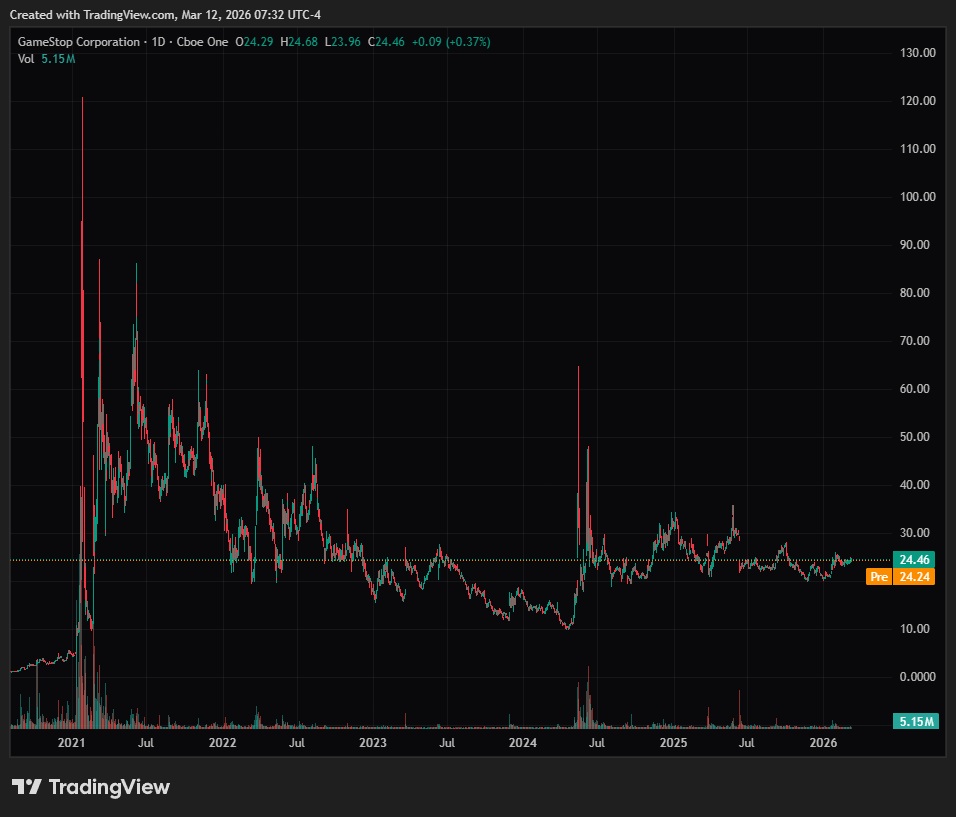
I've watched this pattern since COVID. GameStop had no fundamentals. AMC had no fundamentals. Crypto had no fundamentals. Gold is up 40% on what exactly. Now oil ignores a coordinated G7 reserve dump because Iran said $200. Markets aren't pricing reality anymore. They're pricing the story people tell about reality.

650900652_17953773795099555_8922484407724347155_n.jpg

This isn't new. It's just more visible now. When sentiment drives price, the traditional tools stop working. Reserve releases, rate decisions, earnings reports — none of it matters if the narrative is stronger than the data. The most powerful pricing mechanism in human history has become a sentiment machine.

What that means practically: oil stays elevated not because supply is actually constrained, but because nobody believes the constraint is going away. That's a different problem than the one governments are trying to solve with reserve dumps. You can't drain a sentiment with barrels. Is there any policy tool left that actually works on a sentiment-driven market, or have we just accepted that vibes set the price now?

650753199_17953773822099555_6964105246974596456_n.jpg

$90 Oil oil Mar 11, 2026
BM
@breakingmetrics
Mar 11, 2026 · 11:29 PM
oil

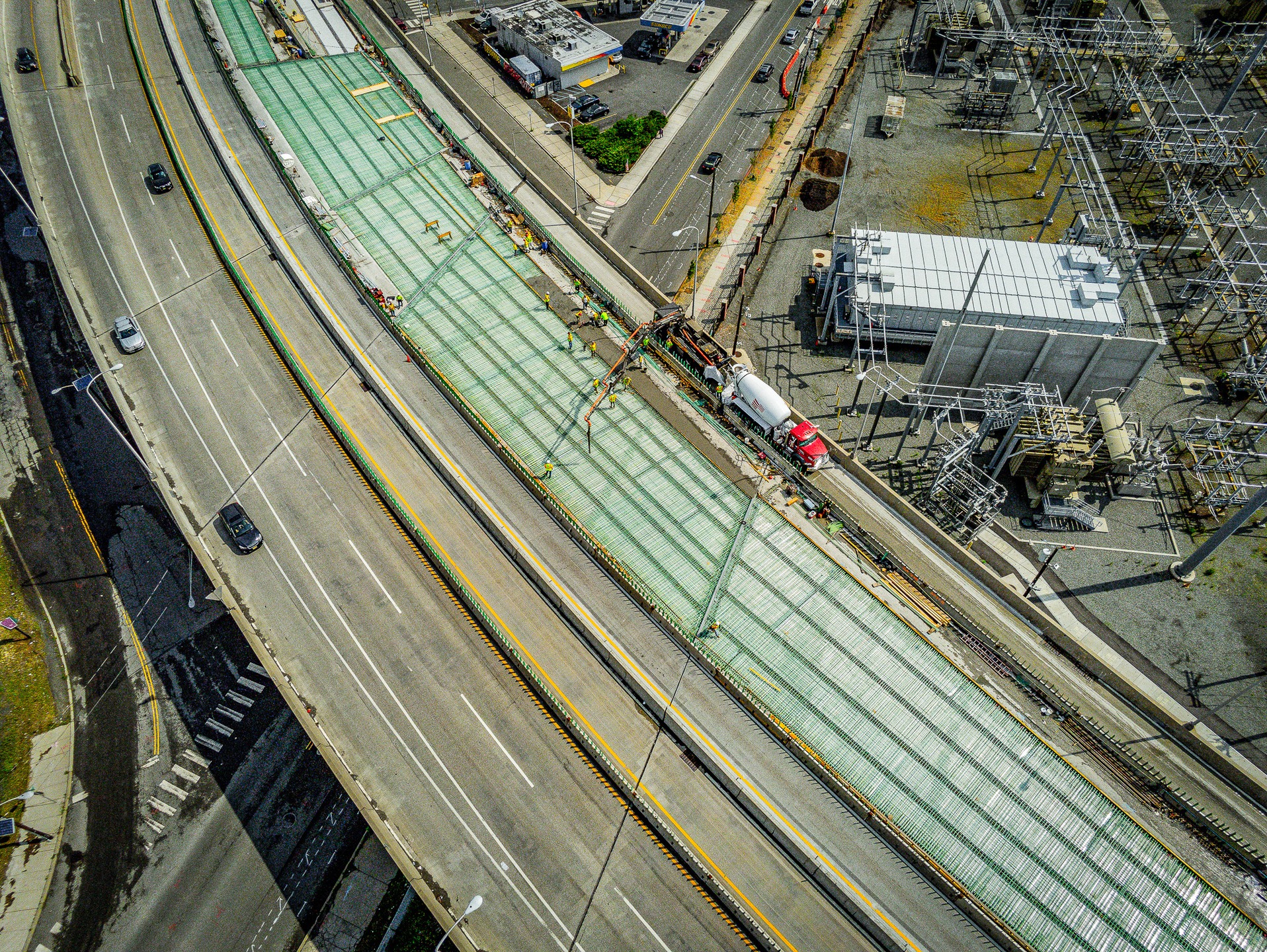
The media wants you to believe $90 oil is breaking the construction industry. I've spent 16 years managing heavy civil contracts in the NYC metro area and I'm telling you it isn't. Here is what actually drives project costs, and fuel isn't high on the list.

649237941_17953642284099555_1019195772506526191_n.jpg

The costs that actually determine whether a job makes money or loses it are labor and insurance. Labor is one of the few variable costs a contractor can actually control. It's where project managers earn their keep. Insurance premiums are negotiated well before the first shovel hits the ground. Neither has anything meaningful to do with the price of crude oil trading on a Monday morning.

651205817_17953642833099555_3232232041104261812_n.jpg

Material costs are where people assume oil exposure is highest. By the time oil pricing works its way through a steel fabricator or a concrete supplier and reaches the project budget, the connection is so many degrees removed that the difference on a $50 million contract is negligible.

650041149_17953642614099555_427309496754186377_n.jpg

Vendor and Subcontractor costs are locked in at buyout. PO's and vendor contracts get executed before the job starts. Escalation clauses exist precisely because everyone in the industry already knows this argument will come up.

649461142_17953643223099555_3075047742770844557_n.jpg

We saw $4 to $5 gasoline during the Iraq War. Public infrastructure jobs got built, private development continued, and money got made. The construction industry didn't collapse then and it won't now. Equipment fuel costs on a typical heavy civil job amount to a rounding error on a capital project budget. The insurance industry will find creative reasons to raise premiums regardless of what oil does, and that is the cost contractors actually lose sleep over.

651013519_17953643175099555_8494043069963275766_n.jpg

The one place oil genuinely matters in construction is in petrochemical-derived products like certain coatings, sealants, and specialty applications. Those costs get absorbed, spread across multiple parties, or repriced at the next contract cycle. Investors pricing in a construction industry doomsday because crude hit $90 are reading the wrong cost drivers entirely. The jobs will get built.

Fraywire Terminal
www.fraywire.com

Oil Spike in 72 Hours oil Mar 10, 2026
BM
@breakingmetrics
Mar 10, 2026 · 11:38 PM
oil

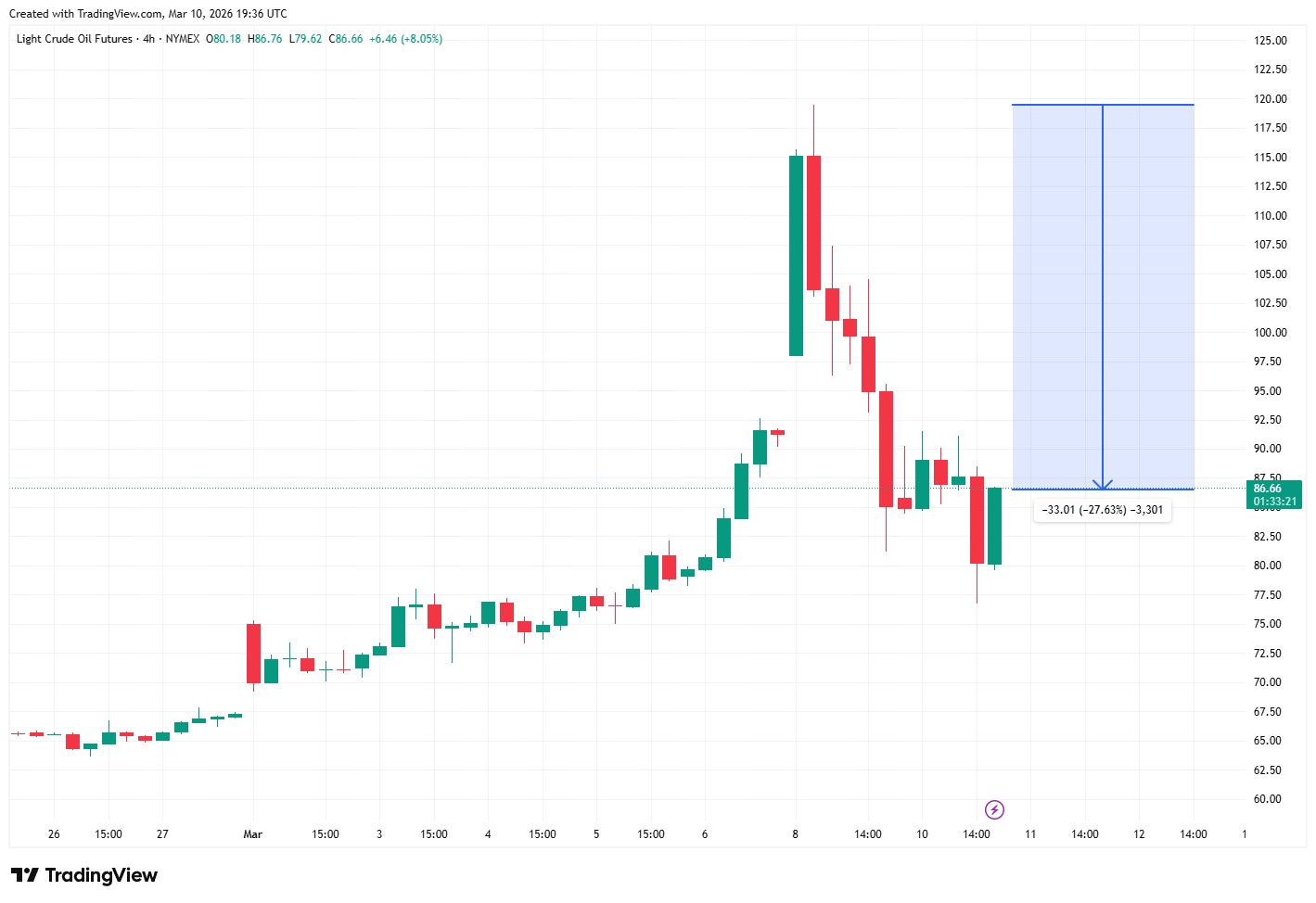
Oil spiked 27% in 72 hours and the financial media declared an energy crisis. The same media is now scrambling to explain why it gave most of it back in 48 hours. I've been watching this unfold all week and the real story isn't the price. It's who didn't panic.

650998074_17953442592099555_824760569573527609_n.jpg

Crude oil futures peaked at $119 per barrel on Monday and are trading at $86.66 today. That is a 27.63% drawdown from the weekly high in less than 48 hours. The media covered the spike extensively but the collapse is a footnote. A move of this magnitude isn't normal market behavior. It's a fear premium being priced in and then priced back out as the underlying reality became clearer. Iran's military capabilities are deteriorating.

649855902_17953442904099555_6142597283502797960_n.jpg

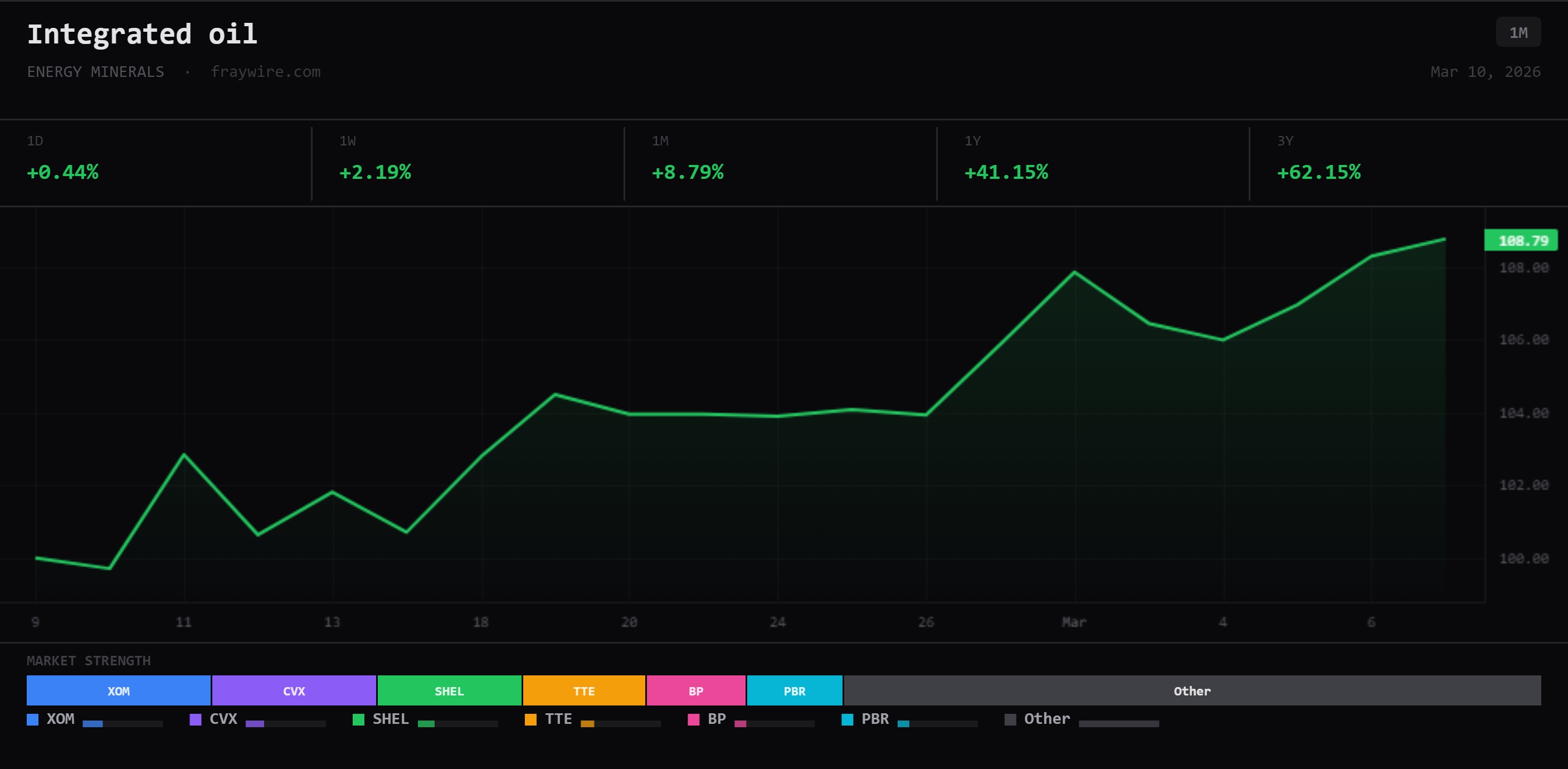
If professional money believed $119 oil was the new reality, integrated oil stocks would have spiked with it except they didn't. The Fraywire chart on integrated oil shows a steady, orderly climb — up 8.79% over 30 days and 41.15% over the past year. No vertical move. No panic buying at the top. XOM, CVX, and SHEL held their positions and didn't flinch when crude hit $119. Institutional money never believed the spike was real.

649244525_17953442967099555_3285073700064923016_n.jpg

The retail trade chased $119 oil but institutions waited. That divergence between commodity price and equity positioning is exactly the signal that gets missed when you're only reading headlines. The fear premium is unwinding because the American military has systematically degraded Iran's ability to threaten the strait. People underestimate what 19 warships and full air superiority actually means.

649531989_17953443012099555_8517024434036311785_n.jpg

To those who disagree, just look at the charts. Numbers scream. Oil took 48 hours to stabilize and oil stocks stayed buoyant. Nothing here signals panic except for the headlines. Institutional money outsmarted retail once again. If you like analysis like this and want more about industry, construction, and energy, consider subscribing to the newsletter and try our AI-powered news aggregator for free at glideslope.ai

Glideslope.ai — AI-Powered Market News
Real-time market news with AI-powered sentiment analysis, curated briefings, and Pulse — your intelligent financial news feed.
www.glideslope.ai

BM
@breakingmetrics
Mar 9, 2026 · 12:09 AM
iran

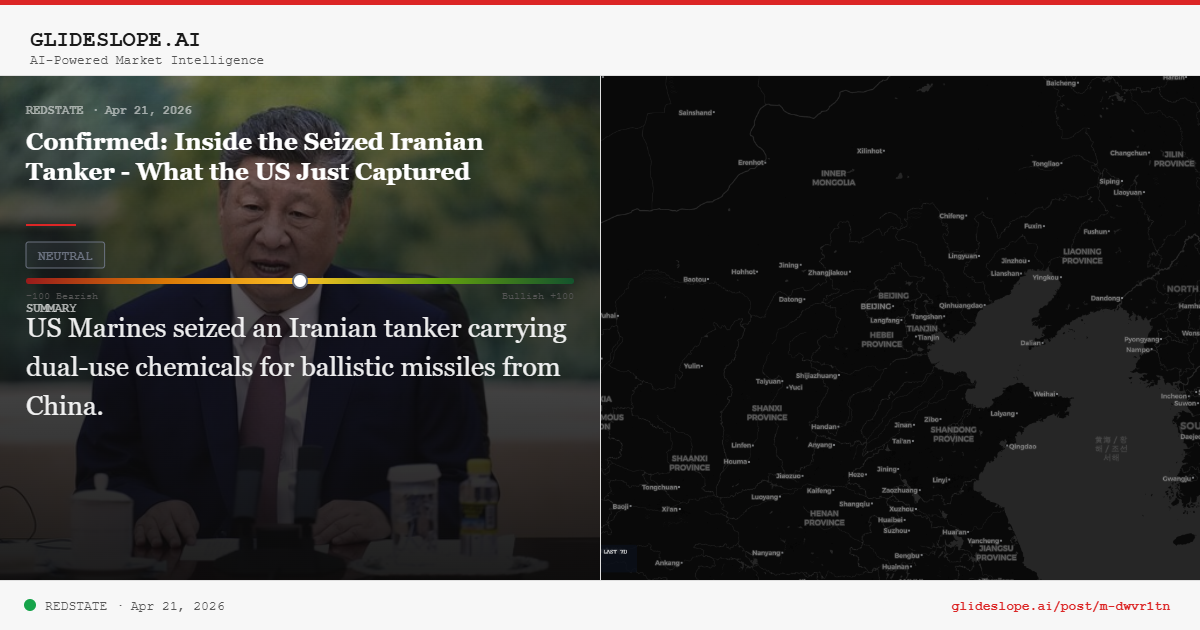
Over 200 vessels are anchored in the Persian Gulf right now and nobody is moving. Every operator is running the same calculation: "if I go first and get hit, I become the example that keeps everyone else docked for another two weeks. If I wait and someone else goes first, I follow with little risk." It's rational at the individual level and a total disaster in aggregate. No insurance policy fixes that.
649701450_17953124208099555_9189560275493281182_n.jpg

And here's the part nobody is talking about. The ships aren't even safe at anchor. Iran already struck a tanker sitting stationary in Kuwaiti waters, the northernmost attack of the entire conflict. There is no safe zone. They are rationing strikes deliberately to maintain leverage, not to cause maximum destruction all at once. The threat doesn't need to be everywhere to paralyze everyone.

649549328_17953125123099555_2648539447890100301_n.jpg

Iraq has already cut 1.5 million barrels per day because storage is filling up with oil that has nowhere to go. When Gulf storage hits capacity, producers have no choice but to shut wells. That's the moment this stops being a logistics disruption and becomes actual supply destruction. The Strait is closed by a game nobody wants to play first, and the clock is running.

649520854_17953125825099555_968521125806919031_n.jpg

If you want to track how this develops, I've been following the maritime and geopolitical data closely over at breakingmetrics.com. The World in Conflict console at worldinconflict.net is also live and mapping the escalation in real time.

World in Conflict — Global Crisis Map
Live geopolitical conflict and economic disruption map powered by AI intelligence analysis.
www.worldinconflict.net

BM
@breakingmetrics
Mar 9, 2026 · 12:00 AM
iran

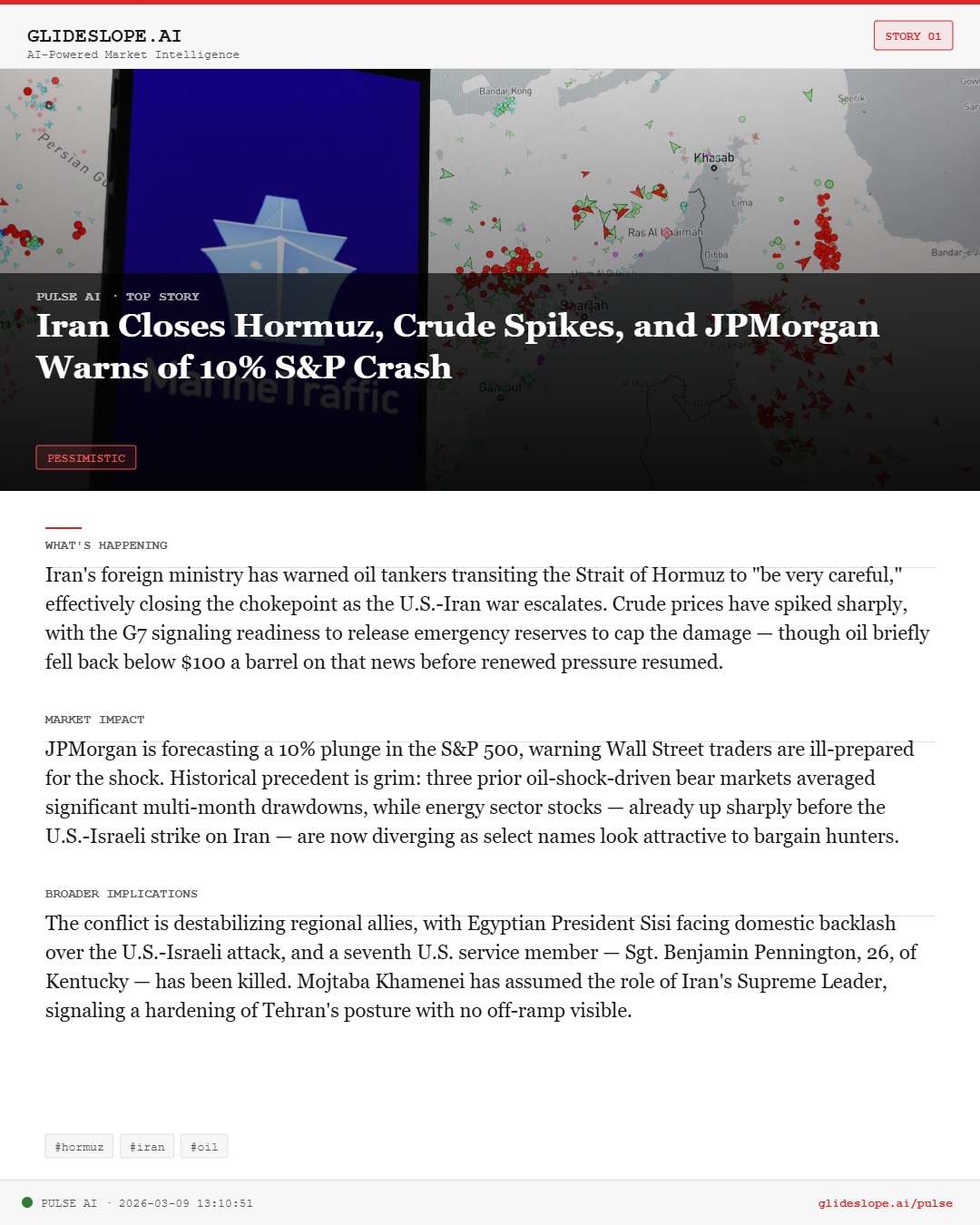
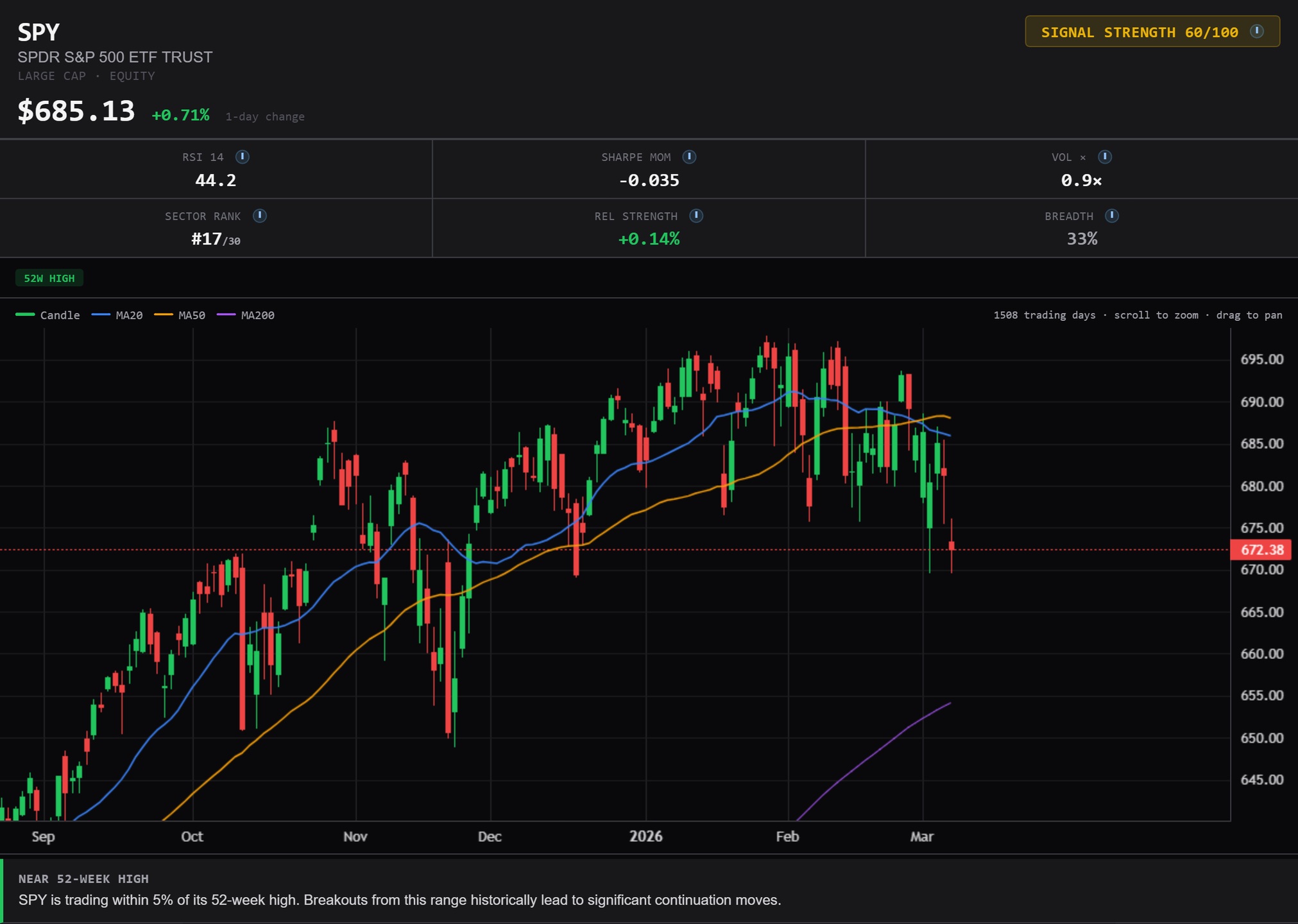
The U.S. Navy has 19 warships inside or adjacent to the Persian Gulf right now. JPMorgan is forecasting a 10% plunge in the S&P 500 and warning that Wall Street traders are ill-prepared for the shock. Those two facts are the same story. Here is what the market hasn't fully priced in yet.

649736371_17953190832099555_4839627217269912672_n.jpg

The Strait of Hormuz carries 20% of the world's daily oil supply. Iran's foreign ministry has told tankers transiting the strait to "be very careful," which is the diplomatic version of a closure. Private insurers already exited the Gulf before the first missile landed. The U.S. Navy stepped in as the insurer of last resort. When a government has to backstop commercial shipping insurance, the risk does not disappear. It transfers to the public balance sheet.

649882231_17953231689099555_3314712970470471680_n.jpg

JPMorgan's base case assumes the market hasn't finished repricing that history. Mojtaba Khamenei has assumed the role of Supreme Leader with no off-ramp visible and a harder posture than his predecessor. The market priced in a short war. That assumption is getting more expensive by the day.

649699071_17953231698099555_3076113360586369494_n.jpg

Oil and energy stocks are running. Defense contractors (Lockheed, Northrop, Raytheon) were re-rated by investors long before this conflict began and are now getting preferred contractor treatment as the DoD looks to quadruple its arsenal. Domestic energy producers with no Gulf exposure, pipeline infrastructure, and defense supply chains three tiers deep are the names printing right now.

643148873_17953231713099555_527621004788975576_n.jpg

Oil and energy stocks are running. Defense contractors (Lockheed, Northrop, Raytheon) were re-rated by investors long before this conflict began and are now getting preferred contractor treatment as the DoD looks to quadruple its arsenal. Domestic energy producers with no Gulf exposure, pipeline infrastructure, and defense supply chains three tiers deep are the names printing right now.

648745339_17953231728099555_3970059681783480357_n.jpg

The G7 has signaled readiness to release emergency reserves, which briefly pulled crude below $100 before renewed pressure resumed. That ceiling may not hold. Mojtaba Khamenei has assumed leadership of Iran with no off-ramp visible. This is not a short war setup. If you got this far, consider subscribing to the Breaking Metrics newsletter at breakingmetrics.com and get free access to my research tools and full analysis.

Breaking Metrics — Welcome to the Real Economy
Independent intelligence covering industry, construction, manufacturing, and energy. Newsletter, market tools, and data platforms from Breaking Metrics.
www.breakingmetrics.com

BM
@breakingmetrics
Mar 3, 2026 · 12:14 AM
ai

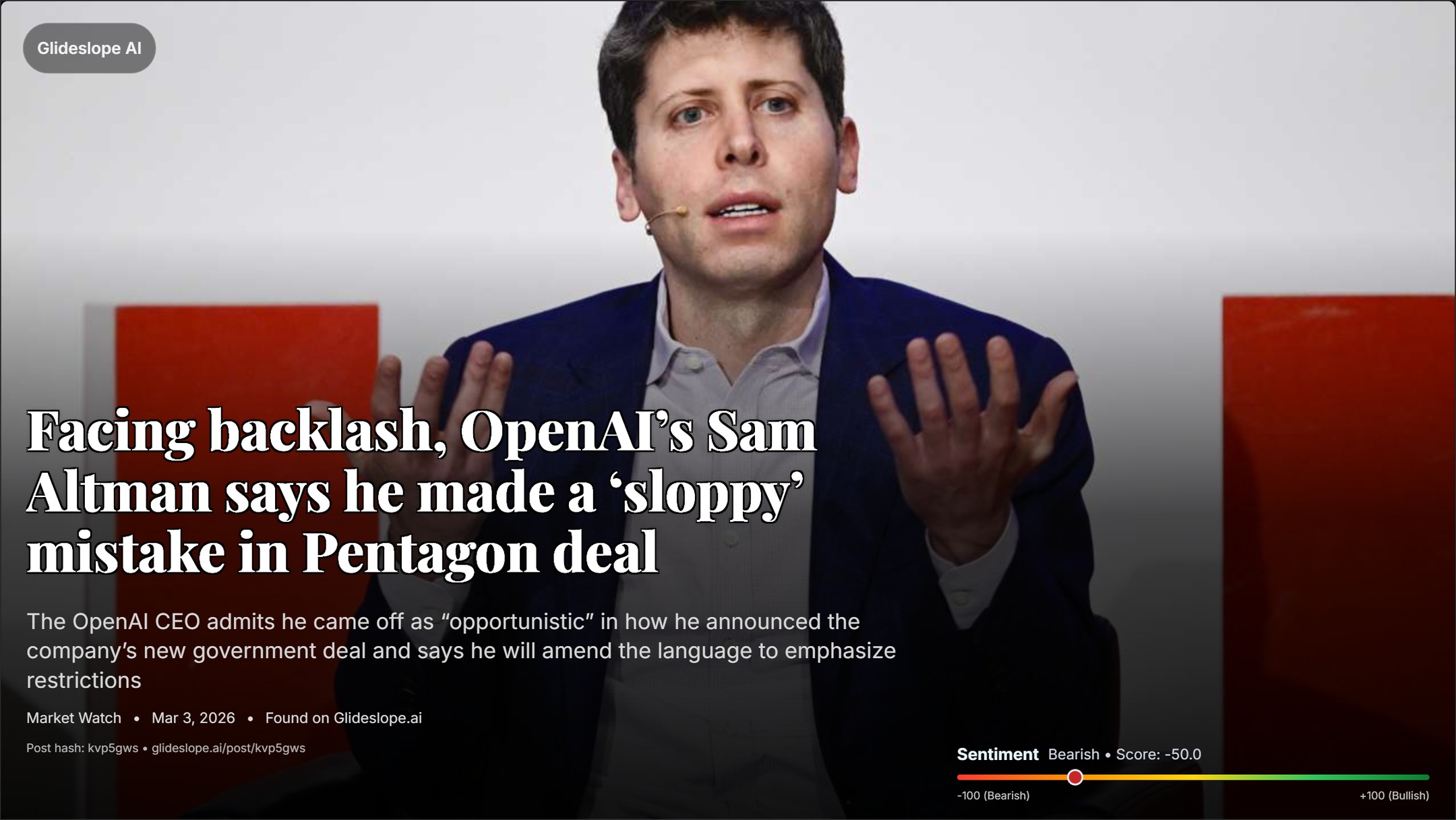
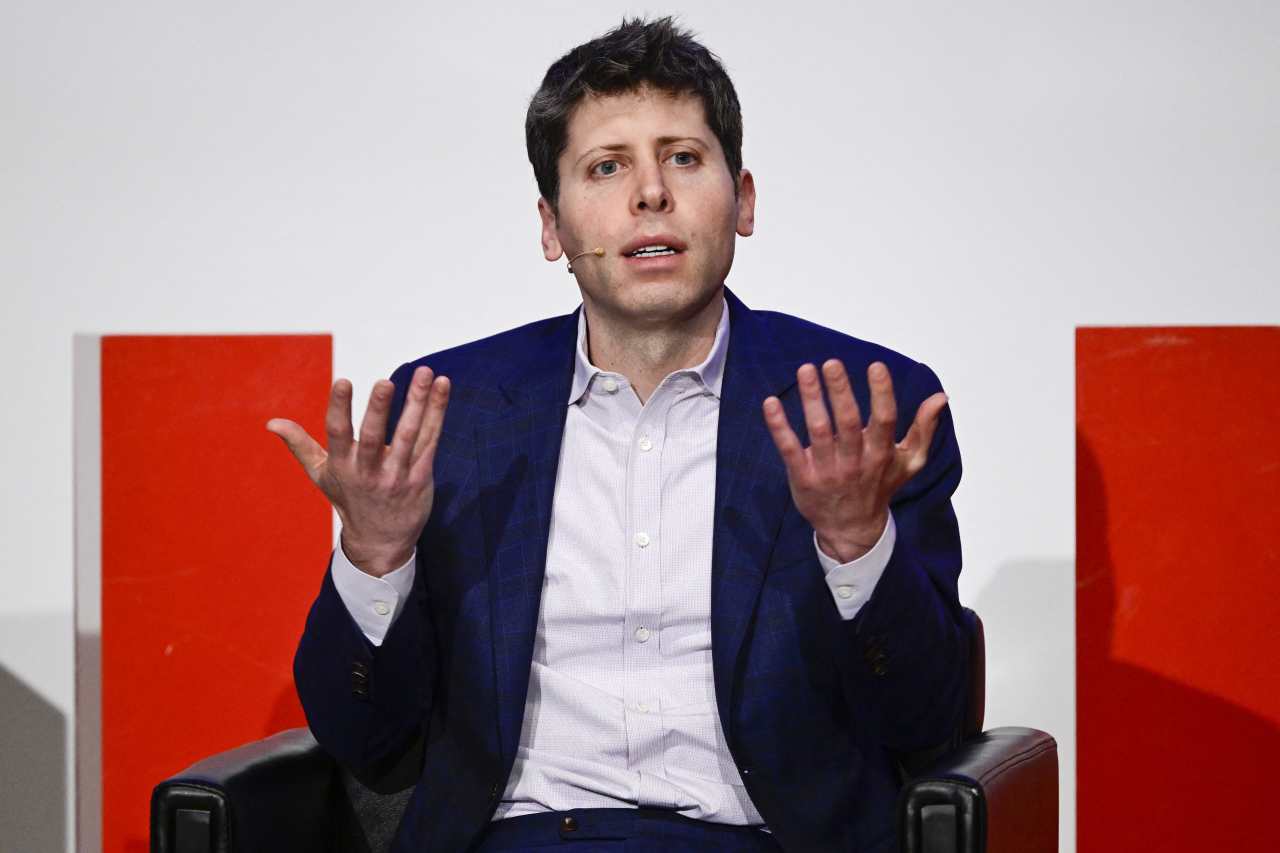
Sam Altman just admitted he was "sloppy" and "opportunistic" securing a $200M Pentagon AI contract. The language is being amended. What the contract already permits is not. Those permissions are being stress tested in live combat over Iran right now.

640437381_17951872023099555_3015641652168475807_n.jpg

I've built bridges and managed nine-figure infrastructure contracts for government agencies across the NYC metro area. The first thing every experienced contractor learns is that silence in a contract is not neutrality. Agencies don't leave ambiguity in specs by accident. They leave it on purpose.

OpenAI signed a national security contract with language Altman now admits was careless. Government agencies have entire legal teams dedicated to contract language. A CEO focused on closing a $110 billion funding round the same week was not reading the fine print.

The U.S. military is now running AI targeting systems processing strike decisions faster than human commanders can review them. Anthropic refused to remove human oversight conditions from their contract. OpenAI removed them to close the deal.

The conditions Anthropic refused to remove are now central to how AI is being used in live combat. The military used Anthropic for strike planning in Iran even after the contract dispute. The question of who sets the boundaries on autonomous targeting - the vendor or the Pentagon - remains unanswered.
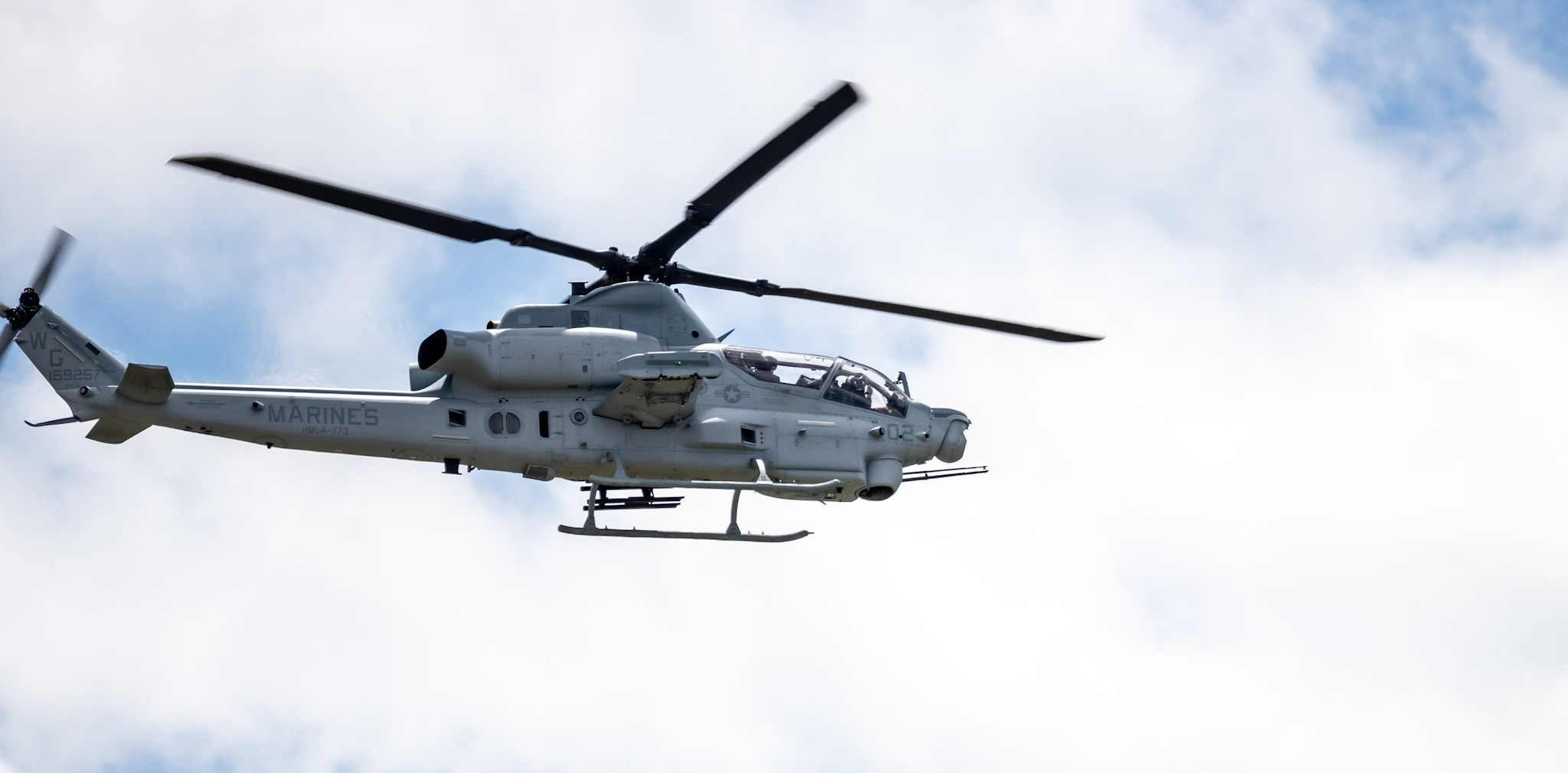
Facing backlash, OpenAI’s Sam Altman says he made a ‘sloppy’ mistake in Pentagon deal
The OpenAI CEO admits he came off as “opportunistic” in how he announced the company’s new government deal and says he will amend the language to emphasize restrictions
glideslope.ai

BM
@breakingmetrics
Mar 2, 2026 · 12:16 AM
ai

The Pentagon just handed a $200M AI contract to a company TechCrunch says is unequipped to handle national security responsibilities. I've spent 16 years watching government agencies pick vendors. This is what happens when urgency overrides due diligence.

642660545_17951768406099555_7888644703649426081_n.jpg

Transportation agencies figured this out decades ago. Public-private partnerships use a slow, structured interview process to select design-build teams precisely because the cost of picking the wrong vendor is catastrophic. The DoD just skipped that entire playbook to move fast on AI.

When a government agency is under pressure to move fast, vetting goes out the window. The contract gets awarded to whoever says yes first, compliance conditions get stripped and the ethical guardrails get negotiated away. The agency gets what it needs today and inherits the risk tomorrow.

Anthropic walked away because they understood the weight of it. OpenAI walked in because the money was right. The real question nobody is asking: can OpenAI actually build a model capable of handling national security operations at the level this requires? It appears the military has just bet hundreds of millions on the answer being yes.
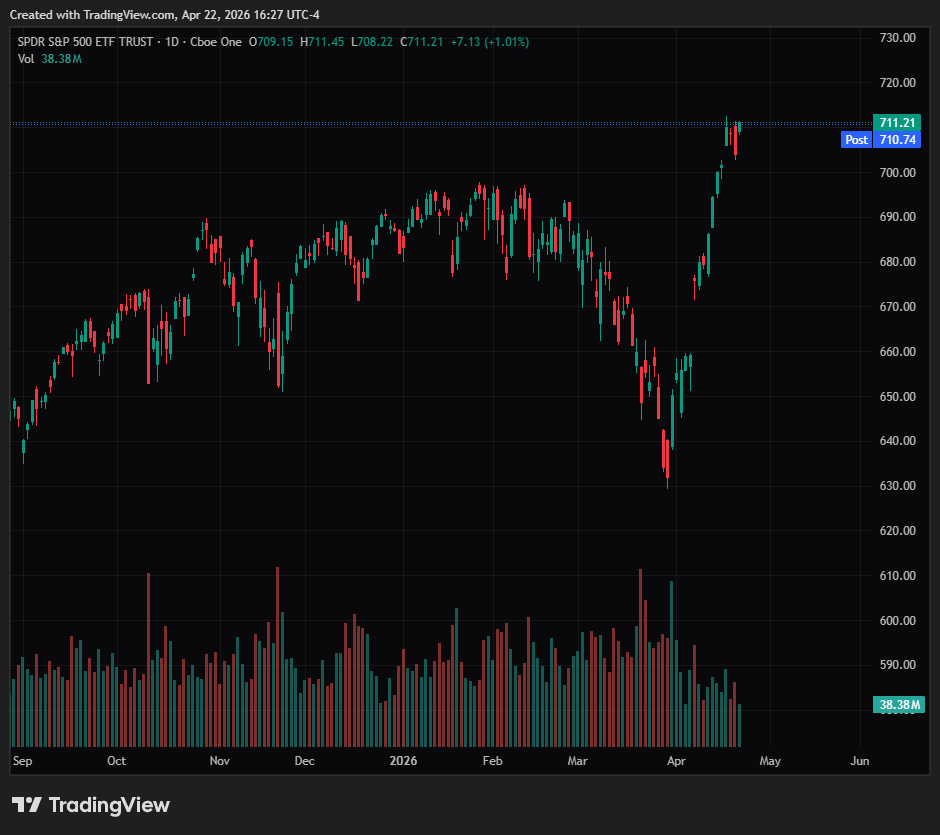
No one has a good plan for how AI companies should work with the government
As OpenAI transitions from a wildly successful consumer startup into a piece of national security infrastructure, the company seems unequipped to manage its new responsibilities.
glideslope.ai

BM
@breakingmetrics