← All threads
BM
@breakingmetrics
Mar 27, 2026 · 7:22 AM
economics

I spent three years installing Chinese steel

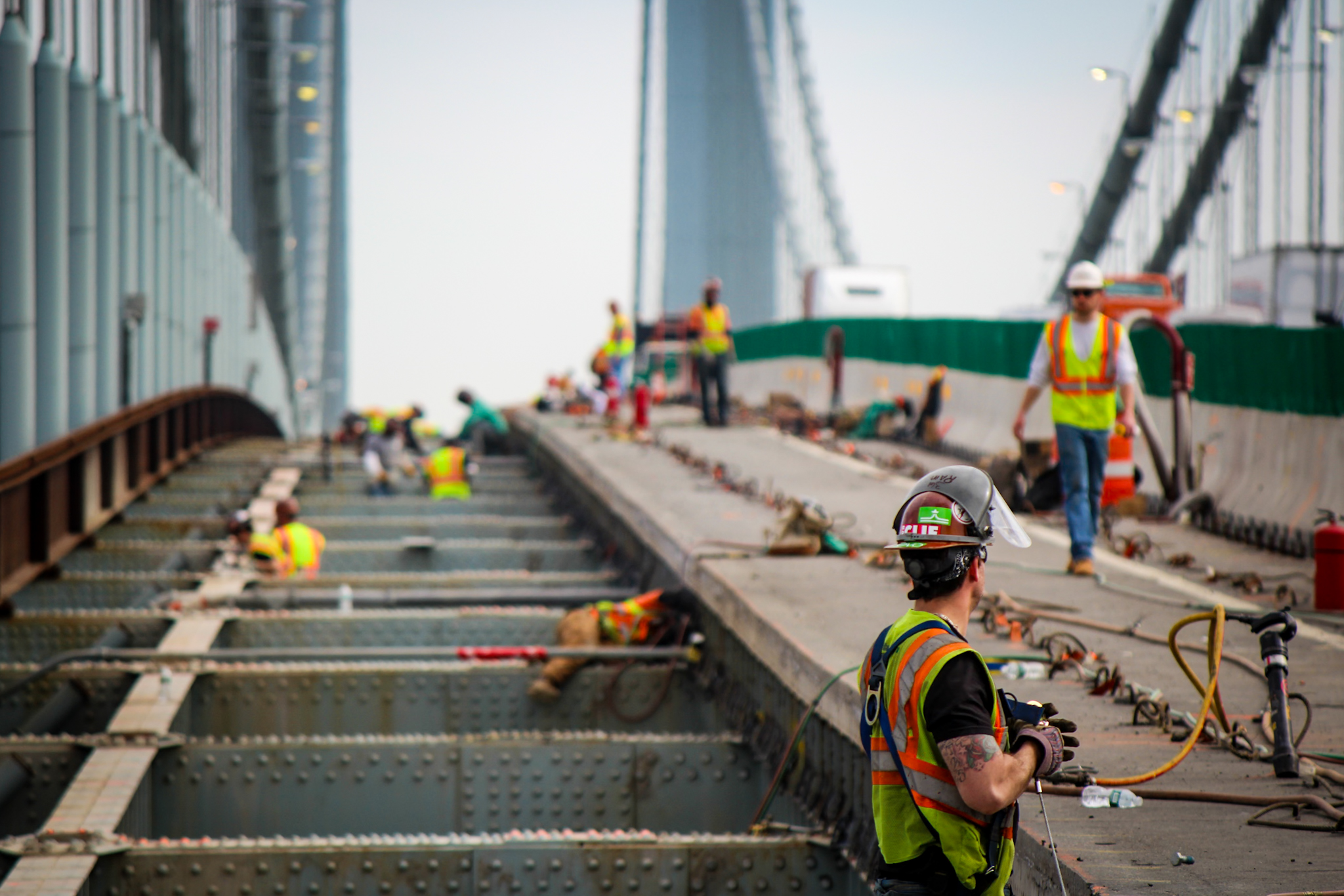
I spent three years installing Chinese steel on the Verrazano-Narrows Bridge. Not because anyone preferred it. Because the procurement rules made it impossible to do anything else. Trump's tariffs and his military pressure on global energy chokepoints are a direct response to exactly that problem. Here's the connection nobody's making.
16192.jpg

The vessel was the Chipolbrok Galaxy, delivering panels fabricated by a Chinese state-owned enterprise for the Verrazano-Narrows Bridge. Every contractor bidding that job ran the same numbers and reached the same conclusion: carry an American fabricator and you lose. The procurement rules didn't require domestic steel, so the only move was go foreign. We were forced to hand it to the Chinese.

IMG_1032 (1).jpg

And here's the part nobody wants to admit. The American public demanded a cheaper bridge and got one. If that contract had gone to an American fabricator, the cost would have been astronomical and the same public complaining about Chinese steel would have been complaining about the bill instead. The problem is that cheap public works and a strong American industrial base are mutually exclusive, and we spent twenty years pretending otherwise.

IMG_1093 (1).jpg

Here's what that pier taught me that nobody talks about. China didn't win on price alone. They won because their manufacturing ran on subsidized energy and that energy came from three specific places: Venezuela. The Strait of Hormuz. Russia. Those three supply lines are what made Chinese steel cheap enough to beat American shops on American bridges for twenty straight years.

Now look at what's happened in the last few months. Venezuela's supply to China: disrupted. Hormuz: under active military siege. Russian pipeline access: constrained. Three simultaneous hits on the exact three energy nodes that subsidized Chinese manufacturing. You think that's a coincidence?

gs-snap-banner-3xr0f65.png

This didn't start in 2026. Trump's first term put 25% tariffs on Chinese steel in 2018 under Section 232, then expanded to tariffs on $360 billion in Chinese goods under Section 301, and framed all of it as a national security matter rather than a trade dispute. The administration's position was unambiguous: Chinese industrial dominance isn't a pricing problem, it's a structural threat to American capacity. The Coordinated Squeeze is that same argument, just now with military reach.

What most analysts are missing is that tariffs were never going to be enough on their own, because slowing the bleeding isn't the same thing as treating the wound. Chinese manufacturing was cost-competitive because it ran on cheap subsidized energy flowing in from Venezuela, Russia, and through the Strait of Hormuz. Cut off that energy and you change the underlying cost structure that made American fabricators uncompetitive in the first place, which is exactly what's happening right now.

wic-snap-2026-03-27T14-34-18.png

The window isn't unlimited though. China holds about 120 days of crude storage, which means this strategy has to produce results before that buffer runs out, and a China that feels genuinely cornered with no diplomatic off-ramp stops calculating rationally and starts acting on other options. Xi Jinping's December speech made those options explicit: reunification of Taiwan by force if necessary. The current administration is threading a needle that gets harder to thread the longer it takes.

gs-snap-banner-yni3ti9.png

I counted those panels off a Chinese ship at Red Hook because the rules made it the only rational choice, and thousands of American workers paid in lost revenue for that rationality. Those rules are finally changing. Whether they stay changed depends on whether Americans understand why they needed to change in the first place. Full breakdown at Breaking Metrics.

Breaking Metrics — Real Economy Intelligence
Independent intelligence covering industry, construction, manufacturing, and energy. Newsletter, market tools, and data platforms.
www.breakingmetrics.com
BM
@breakingmetrics