BM
@breakingmetrics
Apr 15, 2026 · 6:40 PM
infrastructure

The damage is real. So is the opportunity - but not for Iran.

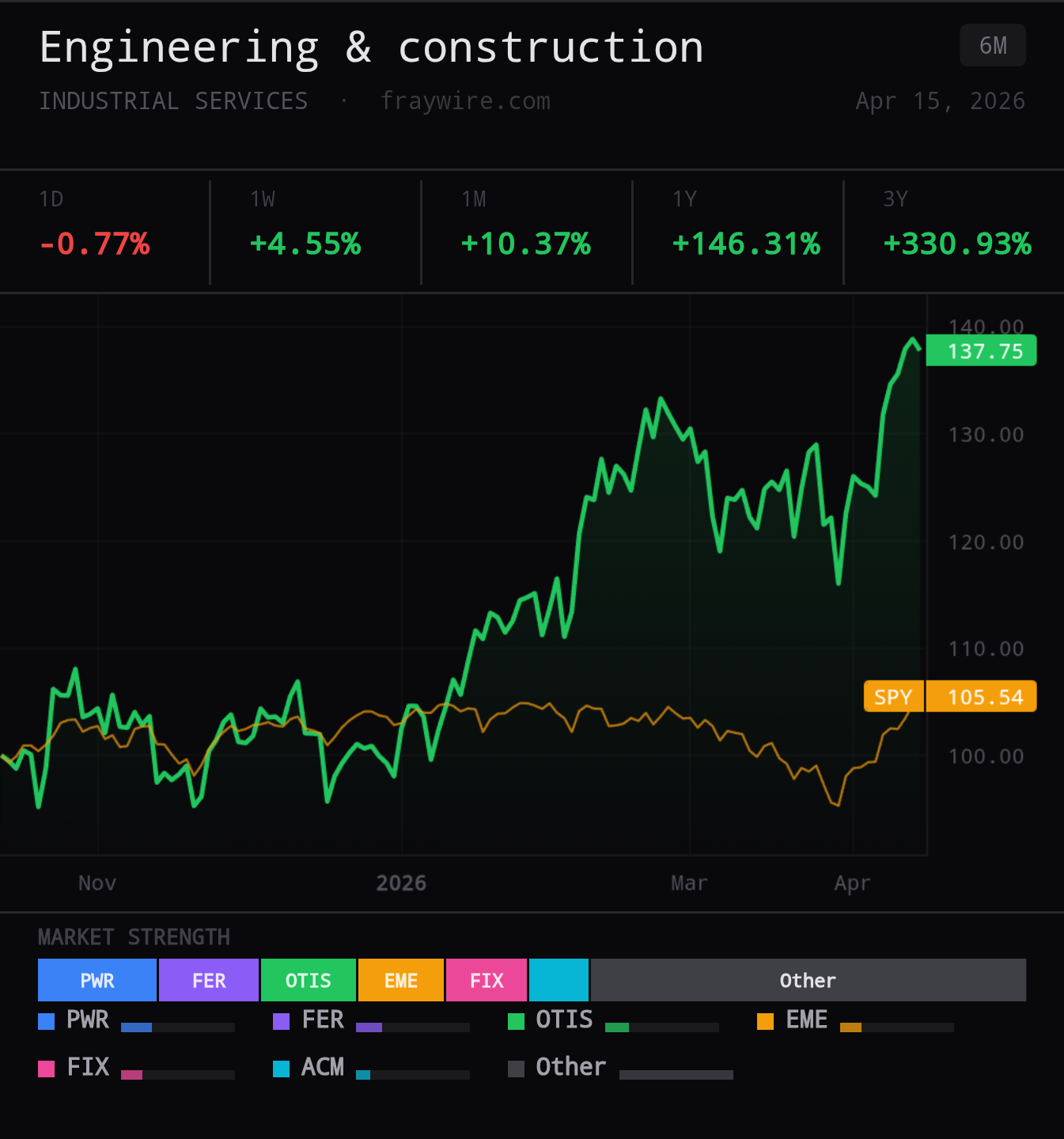
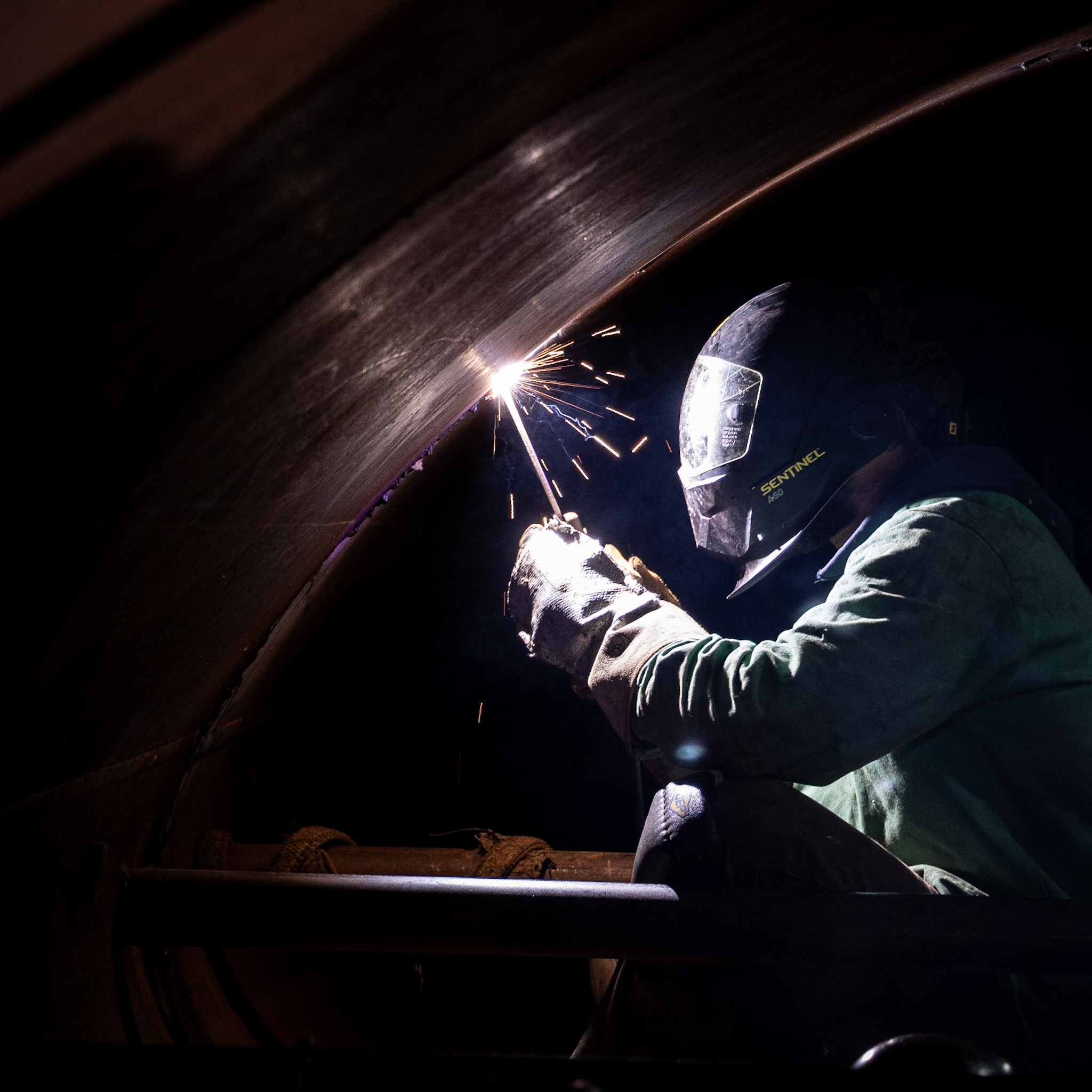
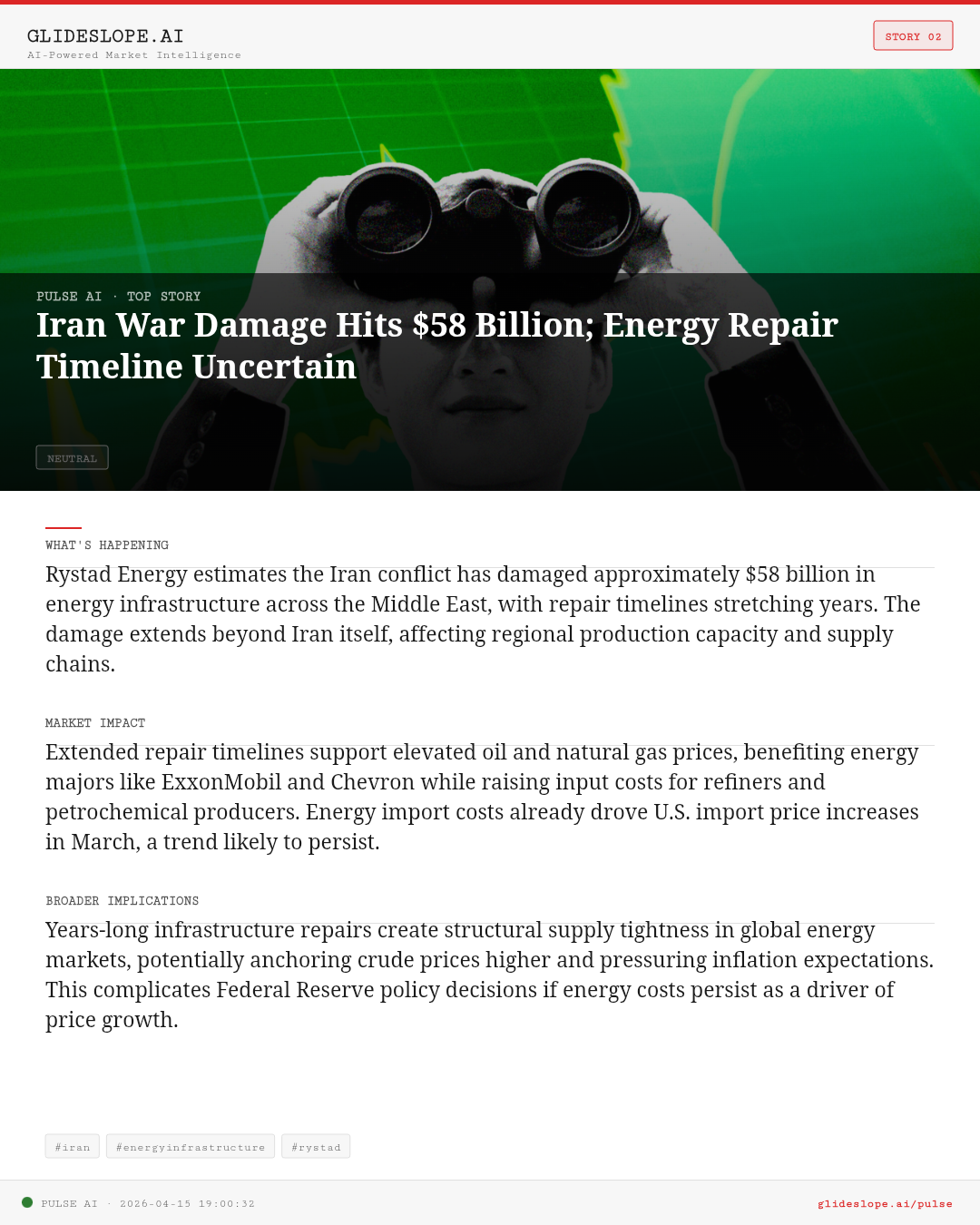
Rystad put the Iran war energy repair bill at $58 billion. The headlines are calling it a crisis. It's not. $58 billion is a wave of capital flowing into an energy services industry that has been waiting for work since the 2014 oil crash. Fresh equipment orders, EPC backlogs, modernized Gulf infrastructure on the other side. The damage is real and so is the opportunity - but not for Iran.
17232.jpg

Rystad's own breakdown: $30-50 billion for oil and gas facilities, another $3-8 billion for power, desalination, and heavy industry. Iran takes the largest share at roughly $19 billion. Qatar's Ras Laffan needs complex repair work that overlaps with their LNG expansion already underway. Only problem is Iran doesn't put work out for bid and their primary revenue source is currently being blockaded.

17227.png

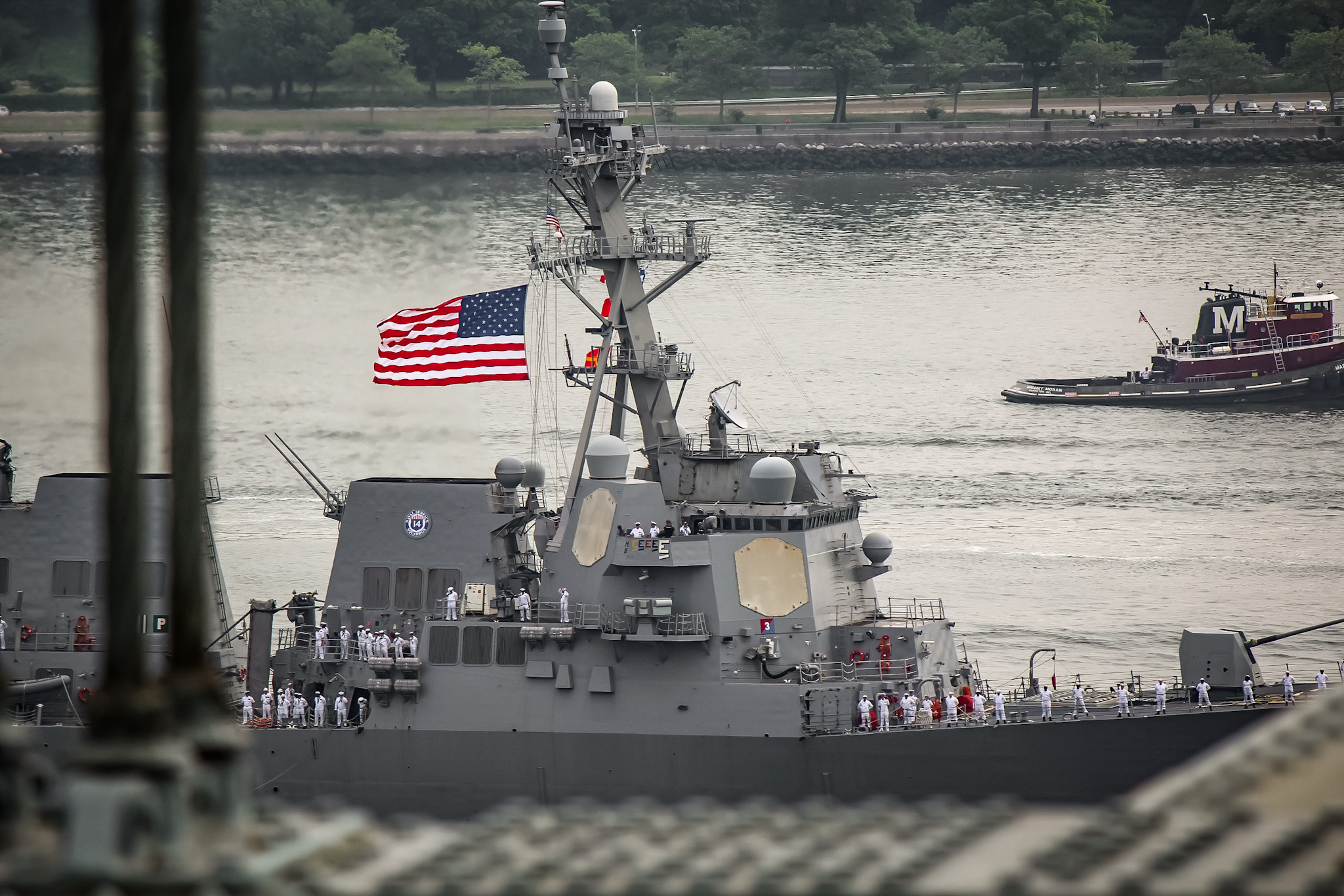
Three things worth watching as the rebuild kicks off. 1. Which Western EPC firms get the contracts and which get shut out by sanctions politics. 2. How Gulf modernization spending lands on top of the LNG buildout already in motion. 3. And what a multi-year capex cycle in Middle East energy means for the broader oil and gas trade.

17229.png

What if the US lifted sanctions on Iran and invited Western firms to bid on reconstruction as part of the deal? What if opening its markets to the West eventually brings regime change to Iran? Could this be Europe's moment to re-enter the world stage being useful for something?

16106.jpg

If you follow me, you probably saw last week's thread where I revealed the top American contractors of choice that Gulf States turn to for large scale infrastructure work. If you want more insider info like this, subscribe now: https://www.breakingmetrics.com

← All threads
BM
@breakingmetrics