Skip to content

The Macro Brief

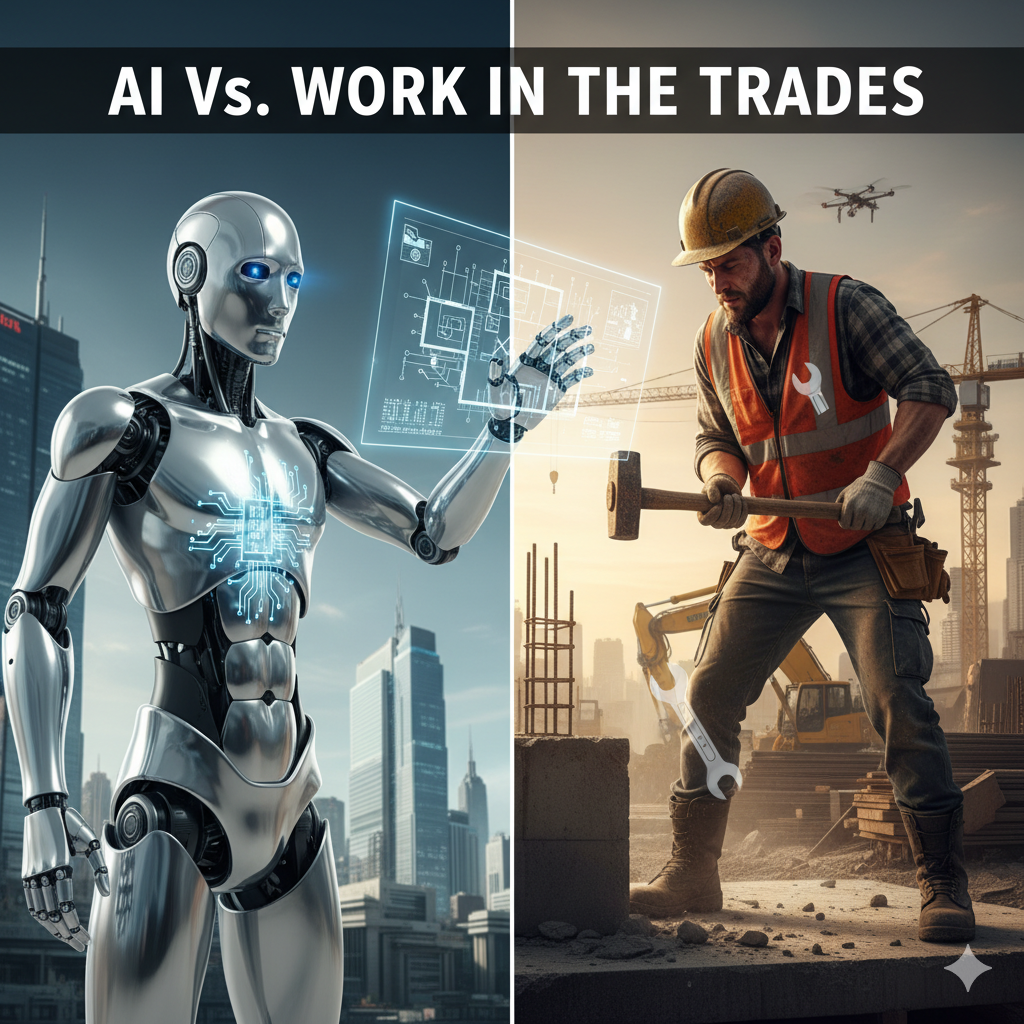
The Trades vs. the Tech Nerds: How America Abandoned the People Who Build It

The U.S. is betting its future on AI and data centers while ignoring a trillion-dollar physical collapse beneath its feet. A Warning from the Sky When a 34-year-old UPS cargo plane crashes in a fireball, it should not be seen as a freak accident — but as a preview of what’s to come. The incident
Markets Hold Their Breath as Shutdown Drags On

Rising bearish sentiment signals growing unease across markets and Main Street alike. Overview The ongoing government shutdown is increasingly impacting public sentiment and economic forecasts. Recent polling indicates a growing concern among Americans regarding the shutdown’s effects on the economy, with President Trump and both political parties receiving negative ratings for their handling of the

The Next Stage of the Trade War: The Stuff Inside Your Phone

Overview China expanded export controls on rare-earth materials and technologies, including permanent magnets, and extended restrictions to parts, components, and assemblies. These resources are foundational to AI datacenters, quantum hardware, EV drivetrains, and defense systems. In response, the U.S. has threatened to impose a 100% tariff on Chinese imports unless restrictions are reversed. China weaponized

The Market as a Weapon

Trump’s tariff gambit shows that volatility isn’t collateral damage — it’s foreign policy. Tariffs Are No Longer Temporary Trump’s latest 100 % tariff threat wasn’t improvisation — it was the next step in a year-long escalation. China’s decision to restrict rare-earth exports cornered Washington politically, and Trump responded in the only way his administration knows

Shutdown Without Shock: The Market That Stopped Caring

Why Markets Don’t Care (Yet) 🧭 Overview Washington may be closed for business, but Wall Street barely noticed. The government shutdown—now entering its second week—has done little to dent investor confidence. Stocks hover near record highs, tech megacaps lead gains, and volatility remains historically low. It’s a striking divergence between political paralysis and market calm,

Divided Demand: Are “Parallel Economies” Taking Shape?

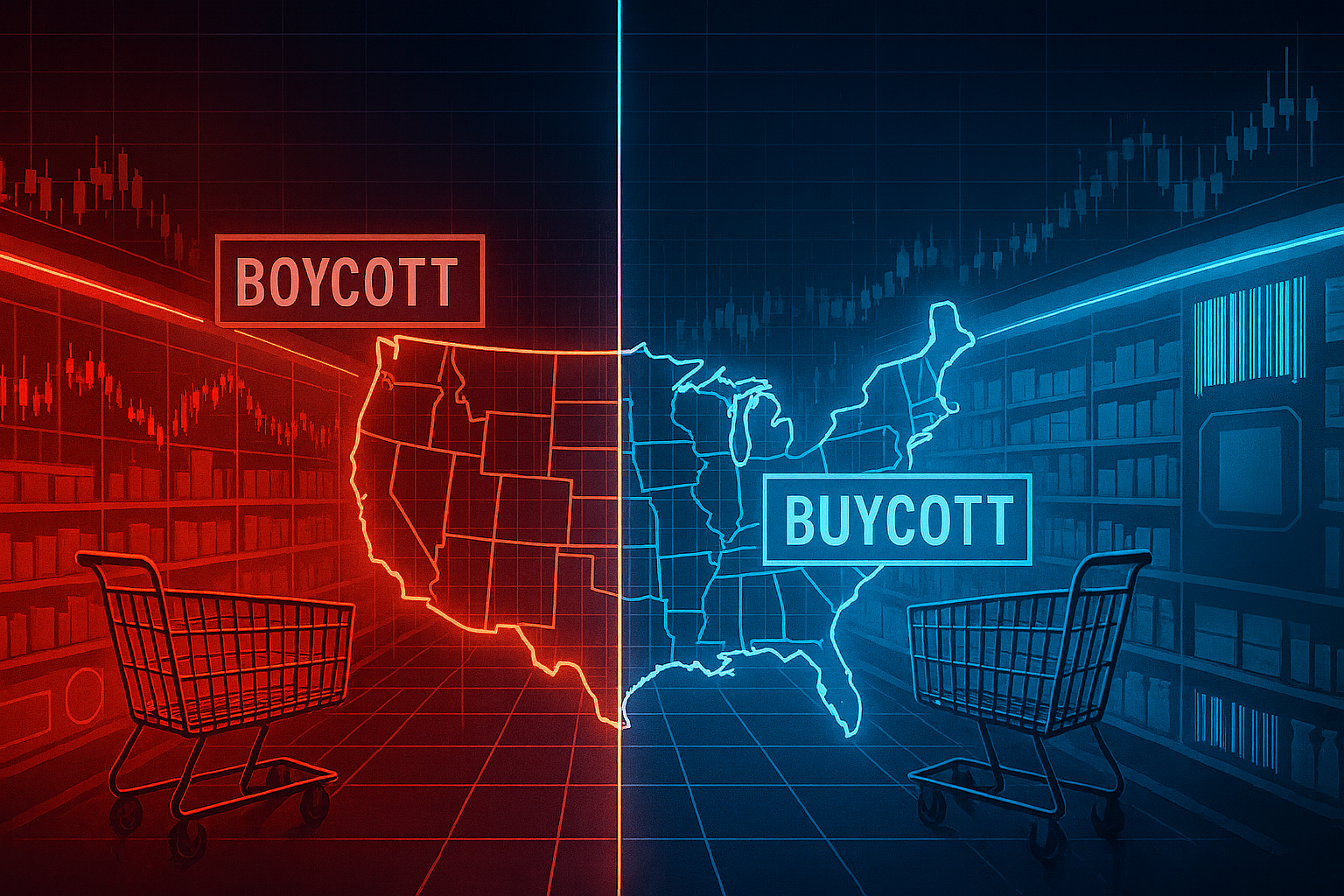
U.S. consumption is fragmenting along political lines. Boycotts/buycotts are flowing into real sales, “values-aligned” channels are scaling, and more shoppers say they spend with their politics. The risk isn’t a full economic split—it’s thicker, semi-segregated niches that shift pricing power, margins, and valuations. Identity is showing up at the register. Expect brand-level winners/losers more than

From Assassination to Escalation: Protests, Power and a New Order Emerging

A decade of frustration culminates in political violence, military tension and energy leverage — signaling a possible realignment of the world order. Currency debasement, rising costs of living, emergency powers, and culture-war policies have left many citizens feeling disenfranchised. Charlie Kirk’s assassination has become a flashpoint for a broader backlash just as Eastern Europe faces

The Macro Brief — Stagflation “Lite”: How to Survive the Squeeze

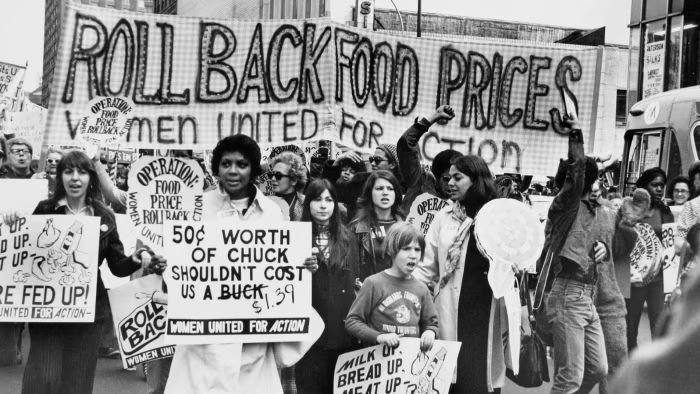
When most people hear stagflation, they think of the 1970s: gas lines, 15% mortgages, and stock markets that went nowhere for a decade. Today isn’t that — but the warning signs are flashing again. Economists are calling it stagflation lite: slow growth, sticky inflation, and policymakers running out of easy answers. The U.S. economy is

China’s PMI Slips, Trade Tensions Rise: Who Feels the Heat?

China’s latest data offered another red flag for the global economy. The country’s official manufacturing PMI came in at 49.4 for August, marking the fifth straight month of contraction. At the same time, U.S.–China trade tensions are dragging on, with tariff threats and stalled talks casting a shadow over markets. Together, these forces are reverberating

Fraywire+ | Brazil’s Weather Brews Market Turbulence

The Setup Coffee is one of the most volatile commodities, and Brazil is the epicenter. As the world’s largest arabica producer, its weather and harvest patterns ripple across global markets. This summer alone, markets saw both extremes: These swings show how commodities can shift sharply on a single data point: rainfall, temperature, or a harvest