All ai construction economics energy game theory infrastructure iran oil pipelines
BM
@breakingmetrics
Mar 27, 2026 · 7:22 AM
economics

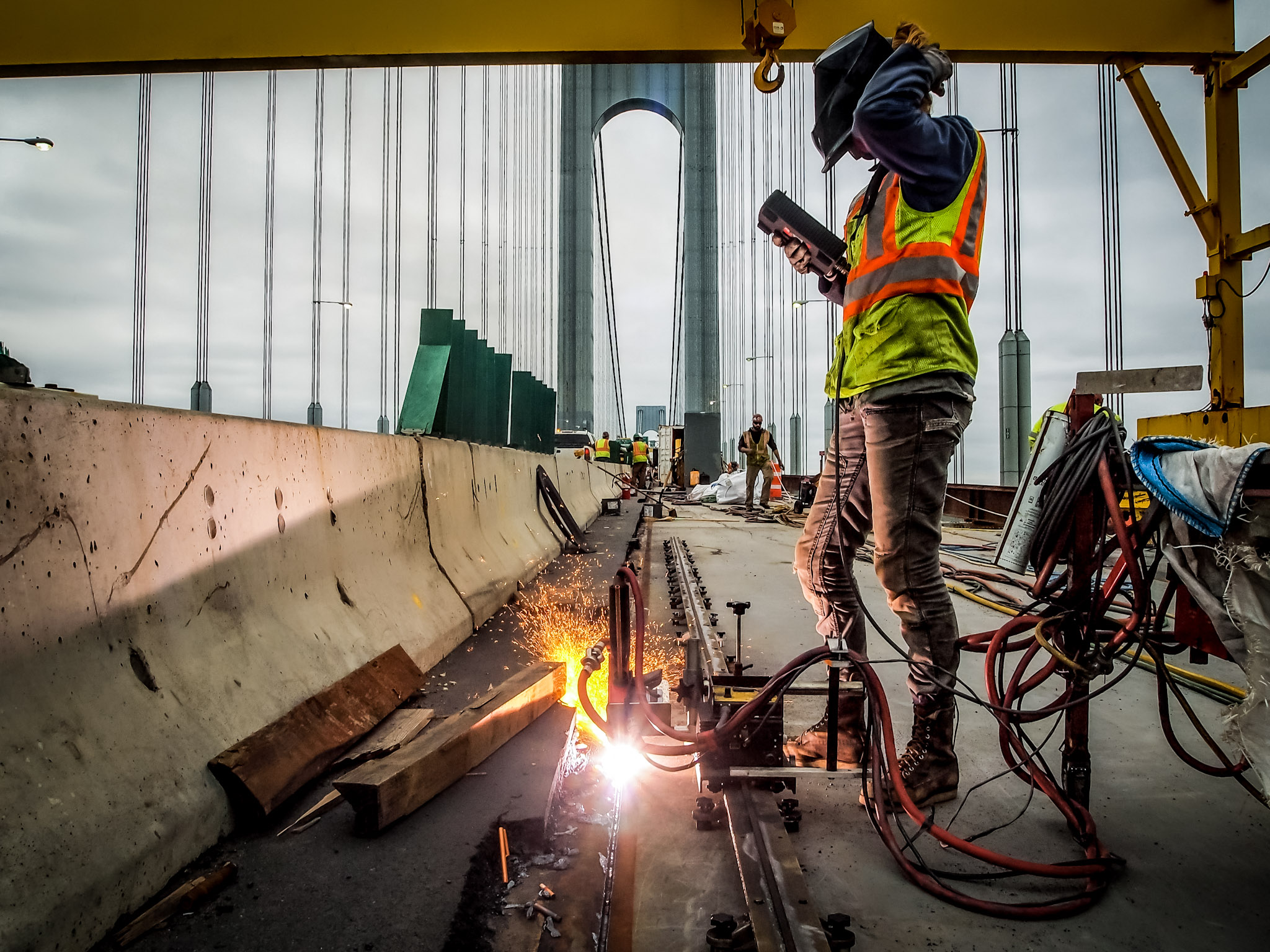
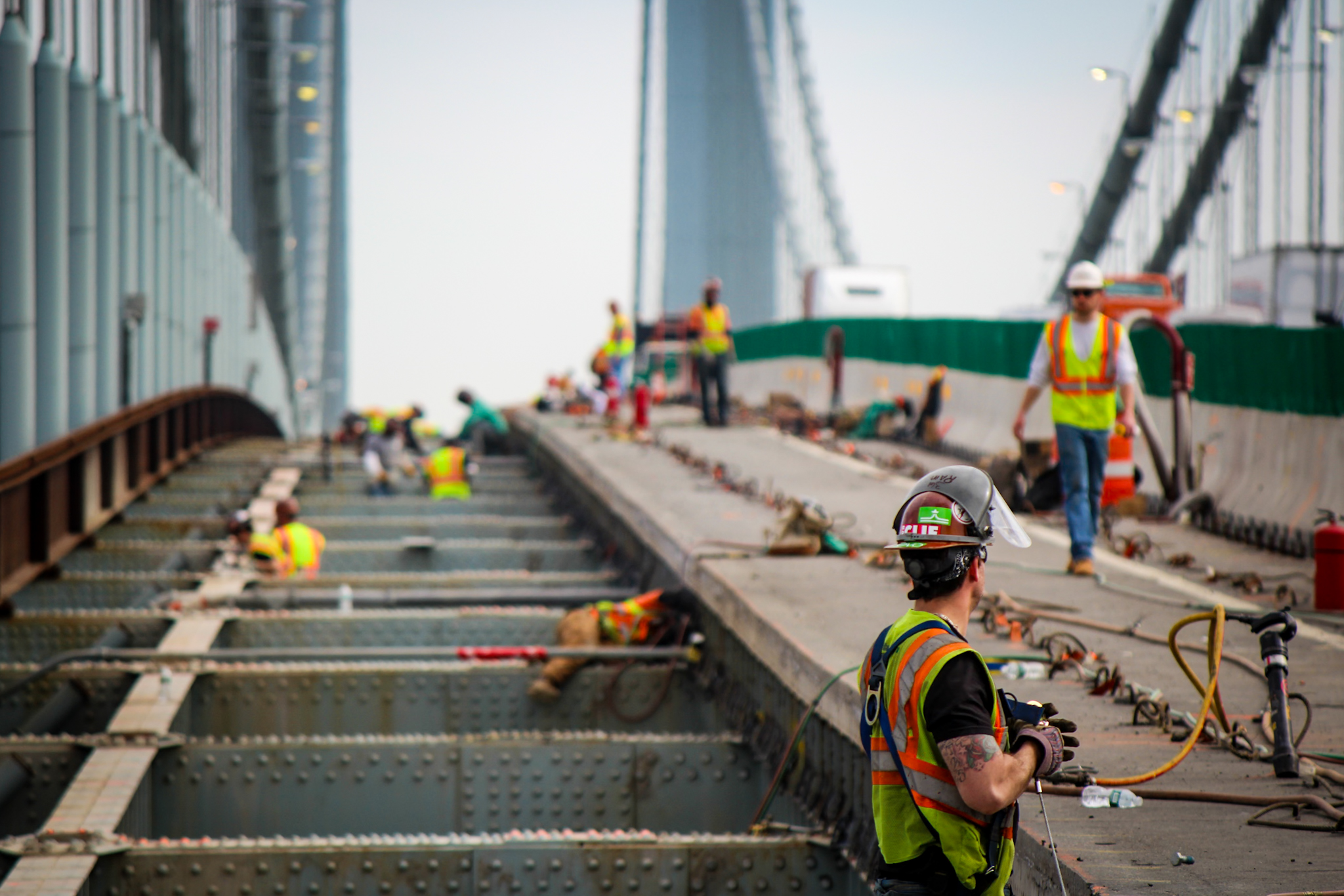
I spent three years installing Chinese steel on the Verrazano-Narrows Bridge. Not because anyone preferred it. Because the procurement rules made it impossible to do anything else. Trump's tariffs and his military pressure on global energy chokepoints are a direct response to exactly that problem. Here's the connection nobody's making.
16192.jpg

The vessel was the Chipolbrok Galaxy, delivering panels fabricated by a Chinese state-owned enterprise for the Verrazano-Narrows Bridge. Every contractor bidding that job ran the same numbers and reached the same conclusion: carry an American fabricator and you lose. The procurement rules didn't require domestic steel, so the only move was go foreign. We were forced to hand it to the Chinese.

IMG_1032 (1).jpg

And here's the part nobody wants to admit. The American public demanded a cheaper bridge and got one. If that contract had gone to an American fabricator, the cost would have been astronomical and the same public complaining about Chinese steel would have been complaining about the bill instead. The problem is that cheap public works and a strong American industrial base are mutually exclusive, and we spent twenty years pretending otherwise.

IMG_1093 (1).jpg

Here's what that pier taught me that nobody talks about. China didn't win on price alone. They won because their manufacturing ran on subsidized energy and that energy came from three specific places: Venezuela. The Strait of Hormuz. Russia. Those three supply lines are what made Chinese steel cheap enough to beat American shops on American bridges for twenty straight years.

Now look at what's happened in the last few months. Venezuela's supply to China: disrupted. Hormuz: under active military siege. Russian pipeline access: constrained. Three simultaneous hits on the exact three energy nodes that subsidized Chinese manufacturing. You think that's a coincidence?

gs-snap-banner-3xr0f65.png

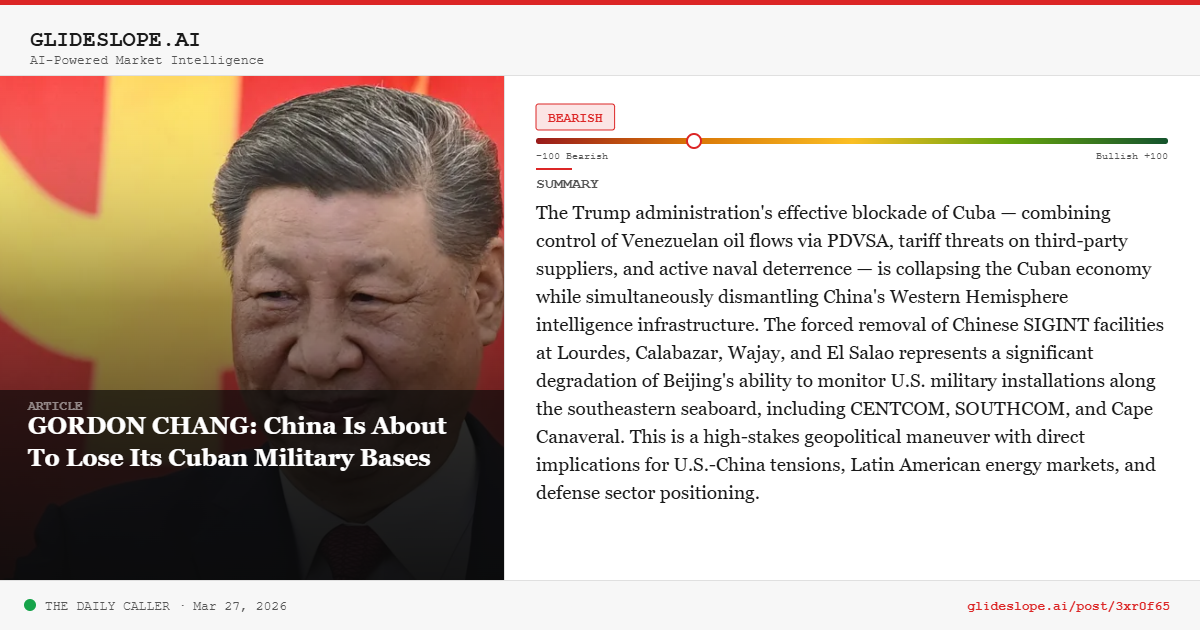
This didn't start in 2026. Trump's first term put 25% tariffs on Chinese steel in 2018 under Section 232, then expanded to tariffs on $360 billion in Chinese goods under Section 301, and framed all of it as a national security matter rather than a trade dispute. The administration's position was unambiguous: Chinese industrial dominance isn't a pricing problem, it's a structural threat to American capacity. The Coordinated Squeeze is that same argument, just now with military reach.

What most analysts are missing is that tariffs were never going to be enough on their own, because slowing the bleeding isn't the same thing as treating the wound. Chinese manufacturing was cost-competitive because it ran on cheap subsidized energy flowing in from Venezuela, Russia, and through the Strait of Hormuz. Cut off that energy and you change the underlying cost structure that made American fabricators uncompetitive in the first place, which is exactly what's happening right now.

wic-snap-2026-03-27T14-34-18.png

The window isn't unlimited though. China holds about 120 days of crude storage, which means this strategy has to produce results before that buffer runs out, and a China that feels genuinely cornered with no diplomatic off-ramp stops calculating rationally and starts acting on other options. Xi Jinping's December speech made those options explicit: reunification of Taiwan by force if necessary. The current administration is threading a needle that gets harder to thread the longer it takes.

gs-snap-banner-yni3ti9.png

I counted those panels off a Chinese ship at Red Hook because the rules made it the only rational choice, and thousands of American workers paid in lost revenue for that rationality. Those rules are finally changing. Whether they stay changed depends on whether Americans understand why they needed to change in the first place. Full breakdown at Breaking Metrics.

Breaking Metrics — Real Economy Intelligence
Independent intelligence covering industry, construction, manufacturing, and energy. Newsletter, market tools, and data platforms.
www.breakingmetrics.com

America is running a wartime economy. economics Mar 25, 2026
BM
@breakingmetrics
Mar 25, 2026 · 1:52 PM
economics

America is running a wartime economy whether you like it or not and domestic political theater isn't built to absorb that cost. Headlines right now are scattered, pulling you in different directions, but they're all just telling you one story. This tanker is carrying the cost of a war 7,000 miles away and it's already docking at your front door.

IMG_8043.jpg

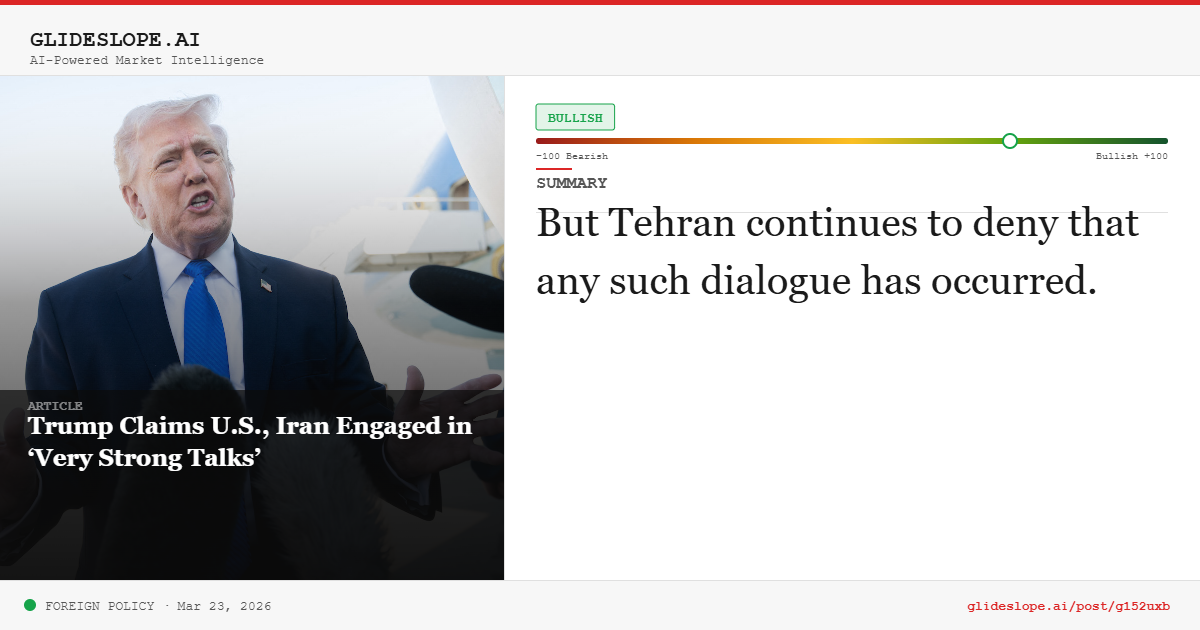
Trump says negotiations are ongoing while Iran publicly denies any talks are happening. The U.S. wants a package deal (end the war, reopen the Strait, lift sanctions, and get assurances on nuclear activity and missiles) all at once. Iran's counter-demand is essentially sovereignty over the Strait of Hormuz and war reparations. Those positions don't overlap. This isn't close to done.

gs-snap-banner-g152uxb.png

That unresolved war feeds directly into the Fed's paralysis. Oil prices are up more than 40% in March alone, which has locked the Fed into wait-and-see mode. They've revised their inflation outlook to 2.7% PCE, and the dot plot now shows one cut this year at most, down from two or three that were expected before the conflict. The Fed can't cut into an energy shock. That's just simple math.

PCETRIM1M158SFRBDAL_fraywire (1).png

Now stack the affordability crisis on top. Rates stay high, housing stays frozen, energy costs are rising, and the consumers who were already stretched are getting squeezed from both ends. This is where the midterm math starts to collapse for Republicans. The economy looks fine on paper with GDP at 2.4%, unemployment stable, but the lived experience for most households is the opposite of fine.

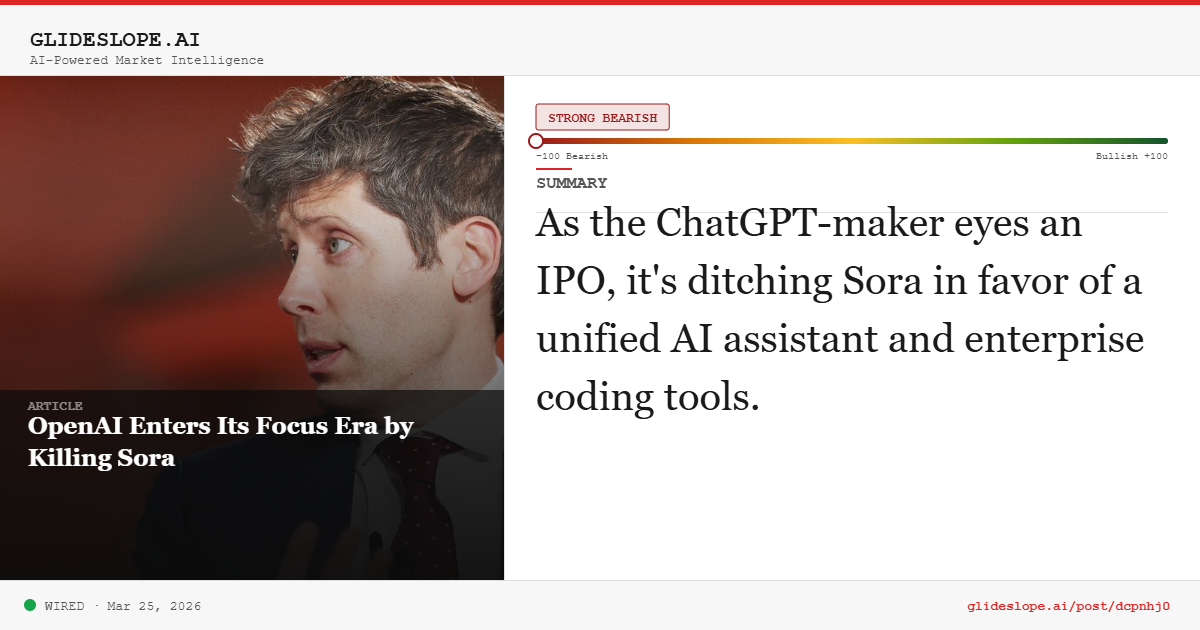
OpenAI just won a $200M DoD contract and scrapped Sora in the same month. Defense and infrastructure spending is where the money is going. Commercial AI is getting starved of capital and attention because the government is the only customer with deep enough pockets right now to justify the infrastructure cost in an uncertain rate environment.

gs-snap-banner-dcpnhj0.png

Cuba is the outlier that actually fits the pattern. If the Iran campaign succeeds and Trump needs a follow-on foreign policy win heading into midterms, Cuba is a short-distance, high-symbolism target with bipartisan support in Florida. It's the political dessert course after the main meal.

wic-snap-2026-03-25T19-56-07.png

You're watching the American economy bifurcate in real time. The public sector and defense industrial base are expanding. The consumer economy is contracting under energy costs, frozen credit, and war uncertainty. The Fed can't fix the second problem without ignoring the first. That split is what the midterms are going to be fought over. Keep following this story at https://www.breakingmetrics.com

Breaking Metrics — Real Economy Intelligence
Independent intelligence covering industry, construction, manufacturing, and energy. Newsletter, market tools, and data platforms.
www.breakingmetrics.com

The money's right here. economics Mar 24, 2026
BM
@breakingmetrics
Mar 24, 2026 · 6:33 PM
economics ★ Featured

The money's right here. Don't let them fool you. You're all looking at the Middle East like it's bait while big money is working the switch behind the scenes. There's a rotation happening in the economy (again). Here's where money's moving:

P9296055.jpg

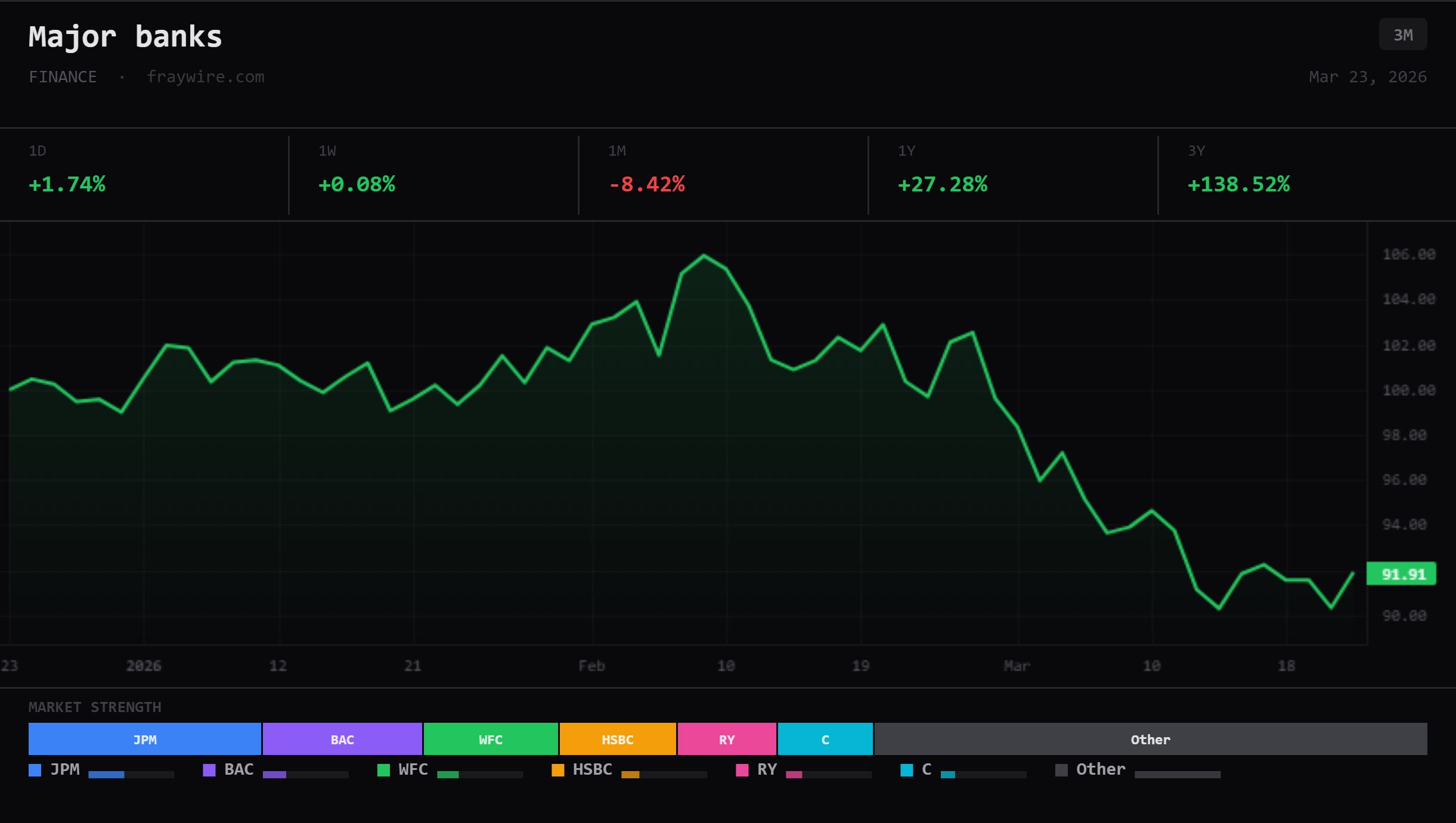
War economies run best on steel, concrete, pipelines, harbors, and railways. The Pentagon doesn't need another SaaS platform, but it does need AI to help guide its missiles. And those missiles need infrastructure to build, store, and move them. Major banks are down 8% in the last month. WTI is up 70% since January.

Major_banks_industry_fraywire.png

I manage 9-figure public infrastructure contracts in New York/ New Jersey. The jobs aren't going cheap. Change orders keep coming in and new work keeps getting added to the roster. Public contracts are where the money is flowing and that's exactly where it was flowing when the OpenAI and Anthropic DoW contracts made headlines a month ago. Follow the public dollar.

IMG_0391.jpg

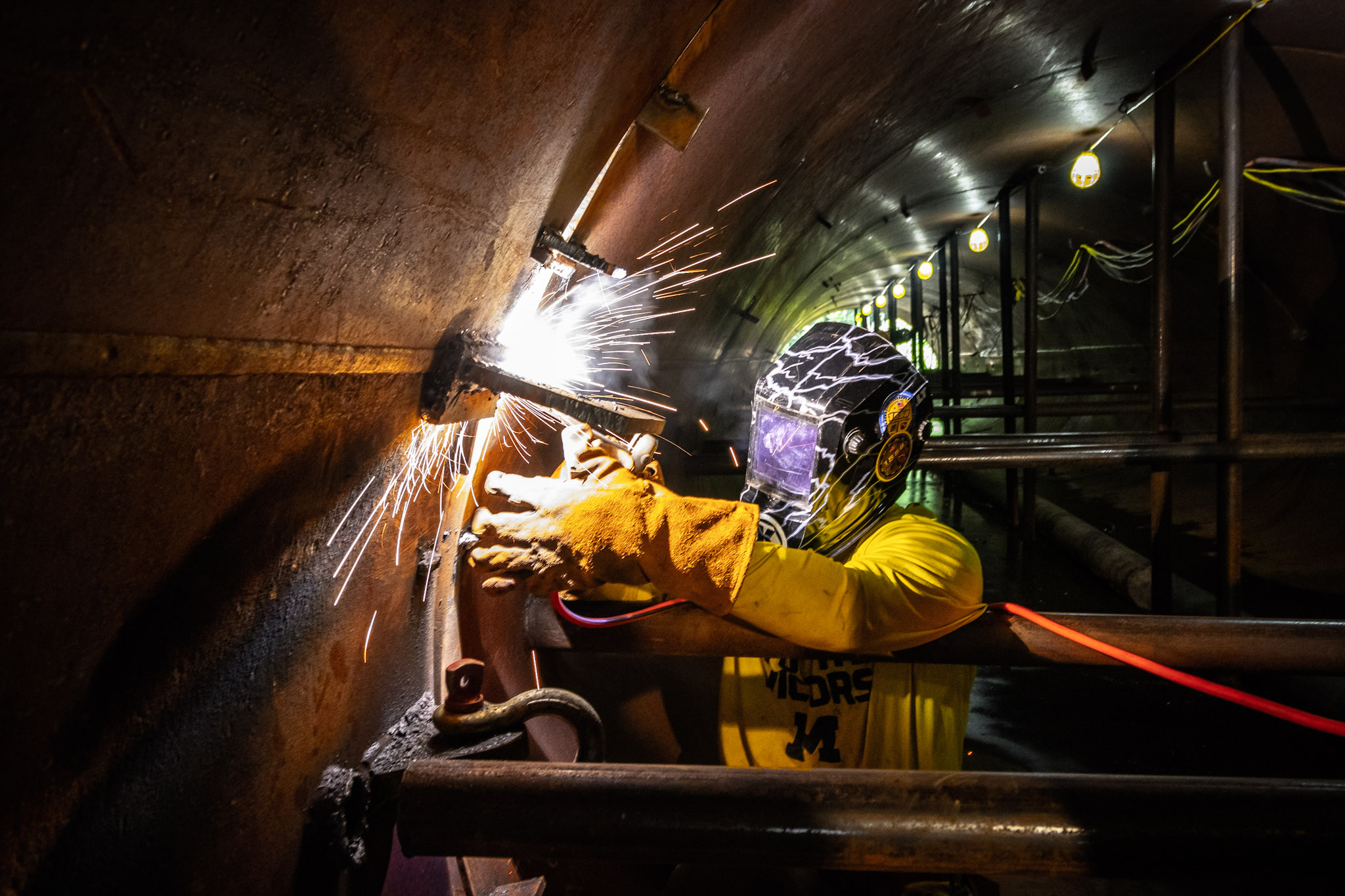
Two moves worth thinking about. Smart money is moving to firms that live on government work: TPC, Granite, General Dynamics. For labor, it's time to learn a trade. Pick up a union book. Learn to weld. Learn pipefitting. The rotation is already happening: https://www.breakingmetrics.com

Breaking Metrics — Real Economy Intelligence
Independent intelligence covering industry, construction, manufacturing, and energy. Newsletter, market tools, and data platforms.
www.breakingmetrics.com

Economic Split economics Mar 24, 2026
BM
@breakingmetrics
Mar 24, 2026 · 7:14 AM
economics ★ Featured

Iran closed the Strait of Hormuz and the internet started watching tankers. That's a great distraction away from the people actually moving them. What looks like a supply disruption on its surface is actually a massive economic stress test. And the results are already in the data.

IMG_7595.jpg

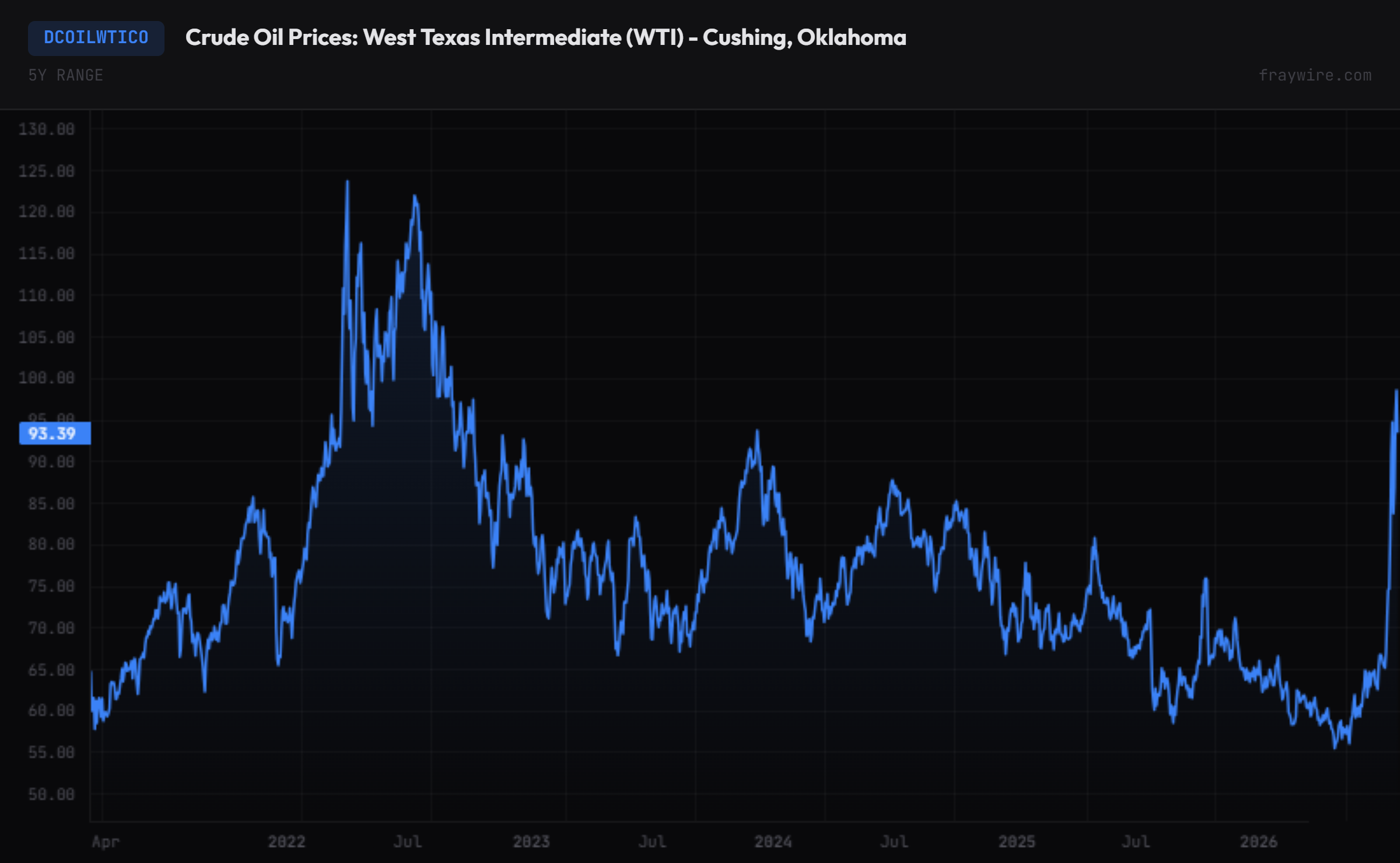
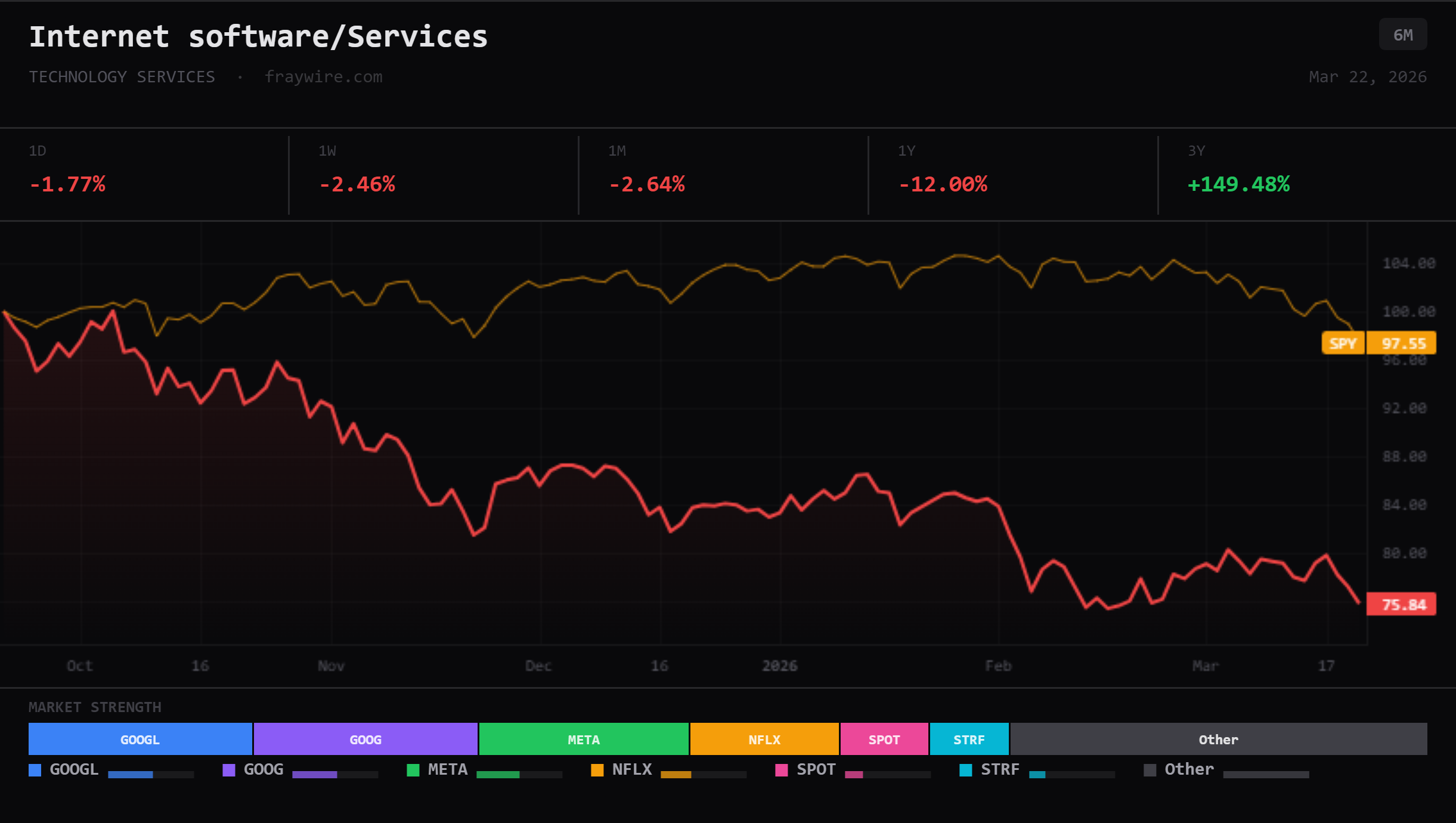
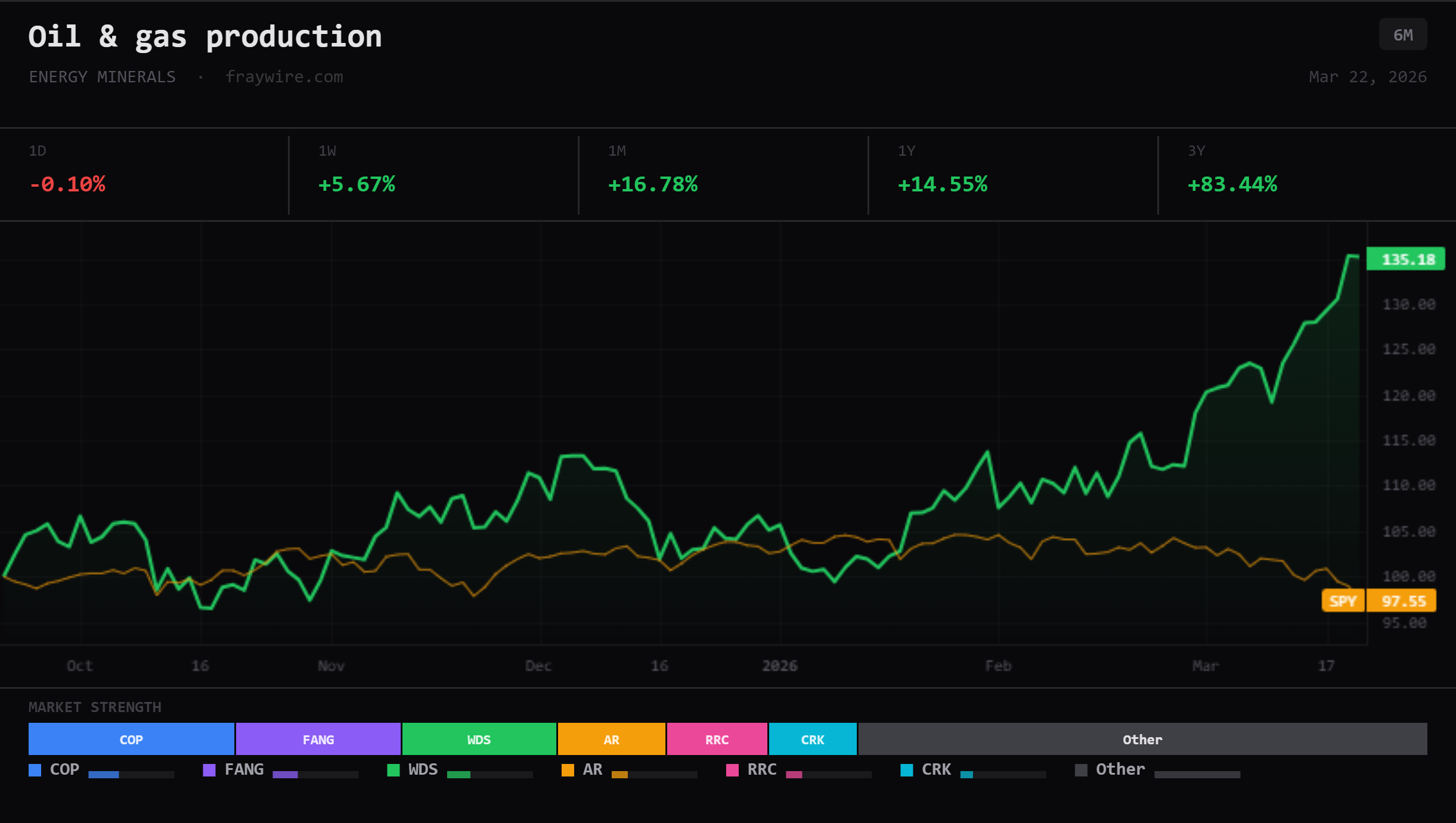
White collar money is moving to blue collar funds. Oil and gas production is up 17% in a month but internet software down 12% on the year. WTI went from $55 in January to ~$93 this month. What we're seeing is a rotational economy moving away from tech and into the real economy. This is what Breaking Metrics tracks weekly: https://www.breakingmetrics.com

Breaking Metrics — Real Economy Intelligence
Independent intelligence covering industry, construction, manufacturing, and energy. Newsletter, market tools, and data platforms.
www.breakingmetrics.com

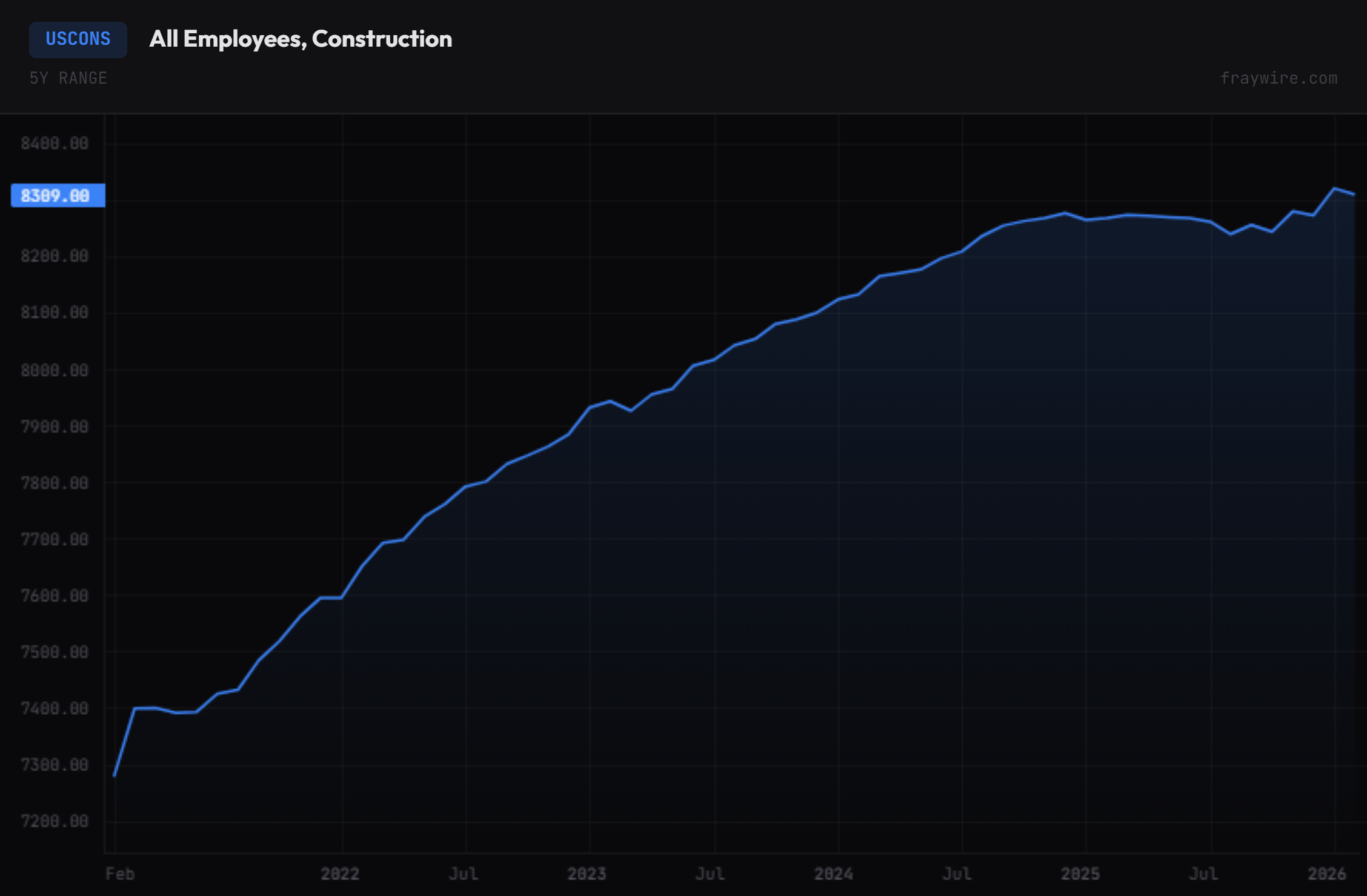
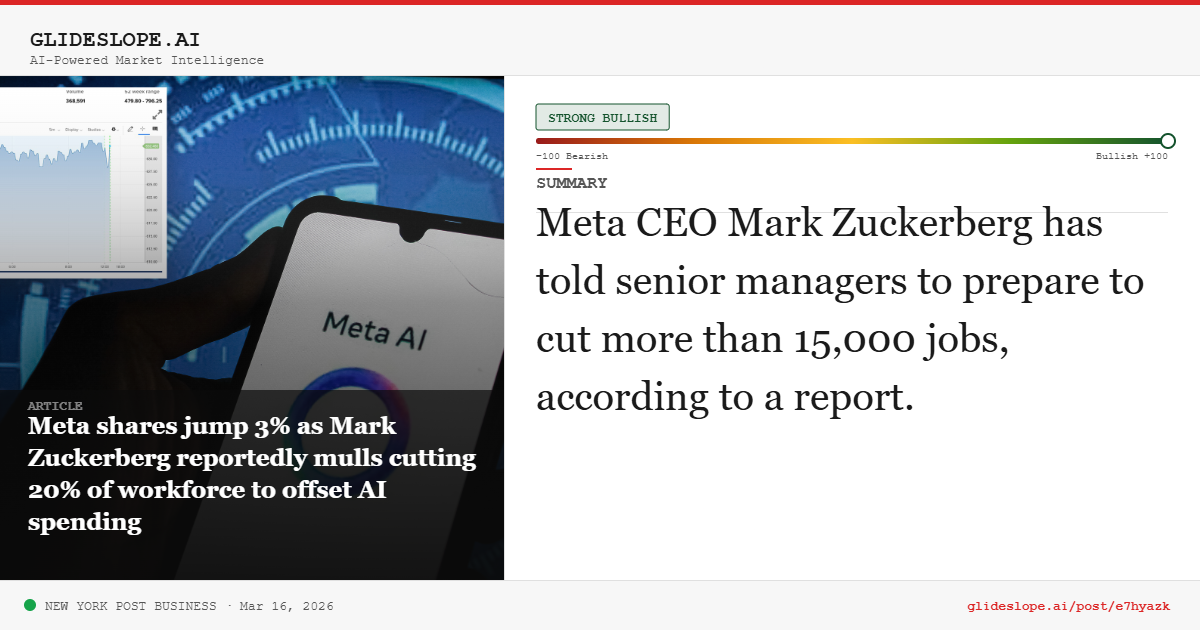
Defense contractors, infrastructure workers, and pipefitters. Their costs pass to someone with deep pockets and no choice but to pay. Price goes up, the bid goes up with it. The knowledge economy has no such mechanism. Construction employment just hit an all-time high of 8,389,000 while tech is on its third round of cuts. https://glideslope.ai/post/e7hyazk

USCONS_fraywire.png
gs-snap-banner-e7hyazk.png
Meta shares jump 3% as Mark Zuckerberg reportedly mulls cutting 20% of workforce to offset AI spending
Meta CEO Mark Zuckerberg has told senior managers to prepare to cut more than 15,000 jobs, according to a report.
glideslope.ai

Three forces repriced the same advice simultaneously: energy scarcity, AI, and tariffs. The question isn't whether the rotation is real. It's whether you're positioned before the next leg.

DCOILWTICO_fraywire.png
Internet_software_Services_industry_fraywire.png
Oil___gas_production_industry_fraywire.png

BM
@breakingmetrics